×
- Hello
- Login or Register
- Quick Links
- Live Chat
- Track Order
- Parts Availability
- RMA
- Help Center
- Contact Us
- Shop for
- Mazda Parts

My Garage
My Account
Cart
Genuine Mazda 929 Oxygen Sensor
Oxygen O2 Sensor- Select Vehicle by Model
- Select Vehicle by VIN
Select Vehicle by Model
orMake
Model
Year
Select Vehicle by VIN
For the most accurate results, select vehicle by your VIN (Vehicle Identification Number).
4 Oxygen Sensors found
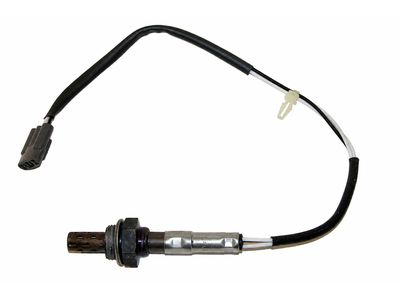
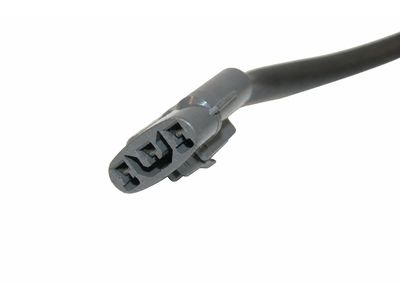
Mazda 929 Oxygen Sensor Part Number: JE08-18-861B

Mazda 929 Oxygen Sensor Part Number: JE53-18-861-9U
Mazda 929 Oxygen Sensor Part Number: JE48-18-861A-9U
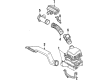
Mazda 929 Oxygen Sensor Part Number: JE1518861A03
Mazda 929 Oxygen Sensor
Looking for Oxygen Sensor with proven quality? Choose OEM Oxygen Sensor. Mazda designs and builds them to strict factory specs. Every piece goes through rigorous quality checks. You'll get parts that fit right and work like new. Shop our huge inventory of OEM Mazda 929 parts. Enjoy the highly competitive prices online. Our site is your one-stop shop. Each genuine 929 part includes a manufacturer's warranty. Buy with confidence. Our return policy is simple and hassle-free. In a rush? Choose expedited delivery at checkout. You'll love the streamlined experience from search to checkout to receiving your order.
Mazda 929 Oxygen Sensor Parts and Q&A
- Q:How does the oxygen sensor function within a vehicle's closed loop feedback control system on Mazda 929?A:Being a part of the closed loop feedback control system of the vehicle, the oxygen sensor detects the concentration of oxygen in exhaust gas, which is comprised of a closed-end tube constructed of ceramic zirconia with porous platinum electrodes that cover the inside and outside of the tube. The exhaust gases are passed over the outer surface in the exhaust manifold or beyond the turbo charger. The sensor sends an electrical signal to the engine control unit after sensing the amount of oxygen. In gasoline engines the oxygen sensor is fitted in the exhaust manifold or the front catalytic converter in turbocharged engines, and removal is like removing a spark plug, through the use of an open-end wrench to prevent touching the electrical lead. First disconnect the negative battery cable, and then unscrew the electrical connector of the sensor. Loosen and unscrew the oxygen sensor, removing the crush ring gasket, where it exists, with the proper size wrench. Carefully touch the sensor so as not to drop it or mishandle it, and keep the electrical connector and the louvered end of the sensor clean and free of grease and dirt. Wipe the threads of the sensor and cleaning the place of its location before installation. When necessary, it would be prudent to thread the crush ring gasket onto the sensor before applying a coating of an anti-seize compound to the threads, but not to touch the sensor. Install the sensor and gasket screwed and torced to specification, reconnect the electrical connector, and made the final connection of the negative battery connector.
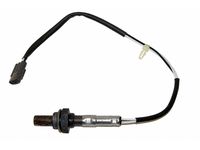
Related Mazda 929 Parts
 Mazda 929 ABS Relay
 Mazda 929 Antenna Mast
 Mazda 929 Camshaft Position Sensor
 Mazda 929 Crankshaft Position Sensor
 Mazda 929 Daytime Running Light Relay
 Mazda 929 Engine Control Module
 Mazda 929 Knock Sensor
 Mazda 929 Mass Air Flow Sensor
 Mazda 929 Neutral Safety Switch
 Mazda 929 Speedometer
 Mazda 929 Throttle Position Sensor
 Mazda 929 Vehicle Speed Sensor