×
- Hello
- Login or Register
- Quick Links
- Live Chat
- Track Order
- Parts Availability
- RMA
- Help Center
- Contact Us
- Shop for
- Mazda Parts

My Garage
My Account
Cart
Genuine Mazda Millenia Alloy Wheels
Alloy Factory Wheels- Select Vehicle by Model
- Select Vehicle by VIN
Select Vehicle by Model
orMake
Model
Year
Select Vehicle by VIN
For the most accurate results, select vehicle by your VIN (Vehicle Identification Number).
10 Alloy Wheels found
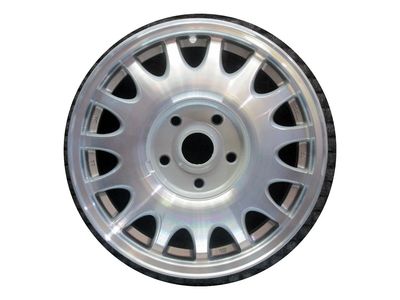
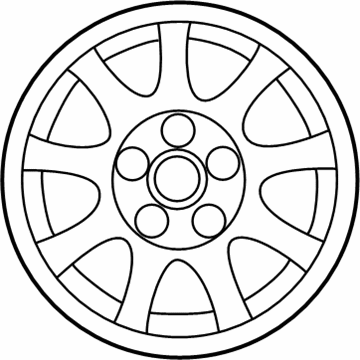
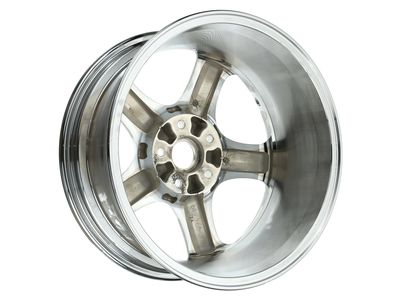
Mazda Millenia Wheel, Alloy Part Number: 9965-E5-6050
$581.14 MSRP: $781.26You Save: $200.12 (26%)Ships in 1-2 Business Days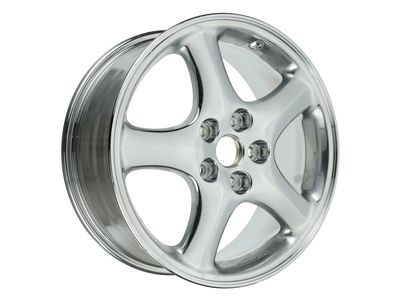
Mazda Millenia Wheel, Alloy Part Number: 9965-02-7070
$804.90 MSRP: $1099.81You Save: $294.91 (27%)Ships in 1-2 Business Days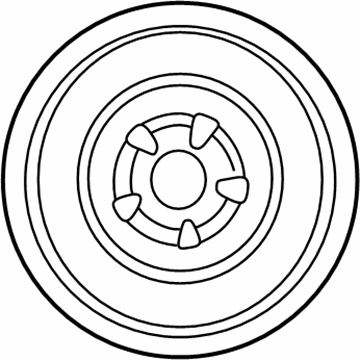
Mazda Millenia Wheel, Steel Part Number: 9965-26-4050
$153.36 MSRP: $204.52You Save: $51.16 (26%)Ships in 1-2 Business Days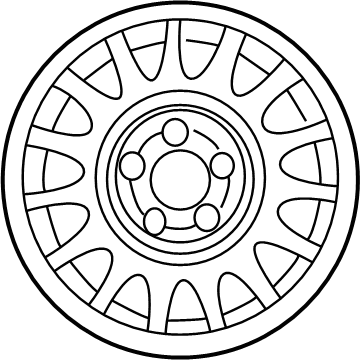
Mazda Millenia Wheel, Alloy Part Number: 9965-18-6560
$201.19 MSRP: $268.31You Save: $67.12 (26%)Ships in 1-2 Business DaysMazda Millenia Wheel, Alloy Part Number: 9965-06-6560
$239.51 MSRP: $319.42You Save: $79.91 (26%)Ships in 1-2 Business DaysMazda Millenia Wheel, Alloy Part Number: 9965-85-6050
$32.31 MSRP: $42.41You Save: $10.10 (24%)Ships in 1-2 Business Days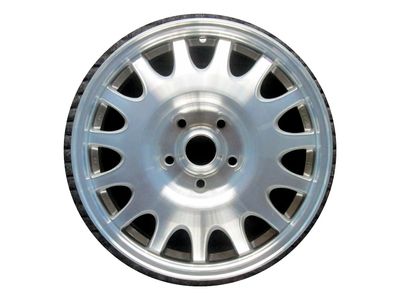
Mazda Millenia Wheel, Alloy Part Number: 9965136560
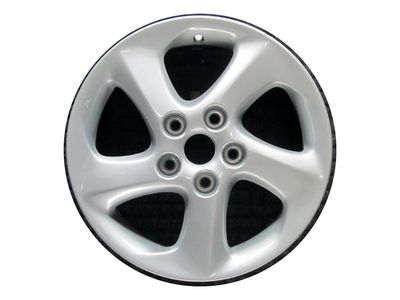

Mazda Millenia Wheel, Alloy Part Number: 9965-26-6560
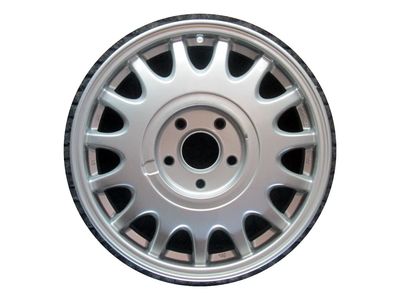
Mazda Millenia Wheel, Alloy Part Number: 9965-01-6560
Mazda Millenia Wheel, Alloy Part Number: 9965194060
Mazda Millenia Alloy Wheels
Looking for Alloy Wheels with proven quality? Choose OEM Alloy Wheels. Mazda designs and builds them to strict factory specs. Every piece goes through rigorous quality checks. You'll get parts that fit right and work like new. Shop our huge inventory of OEM Mazda Millenia parts. Enjoy the highly competitive prices online. Our site is your one-stop shop. Each genuine Millenia part includes a manufacturer's warranty. Buy with confidence. Our return policy is simple and hassle-free. In a rush? Choose expedited delivery at checkout. You'll love the streamlined experience from search to checkout to receiving your order.
Mazda Millenia Alloy Wheels Parts and Q&A
- Q:How to remove and install a tire on Alloy Wheels on Mazda Millenia?A:To replace or change a tire, it is important to Park the car on a flat area and put a jack, tire iron and spare tire together (where necessary). Find jacking points of your vehicle and place jack respectively. In case of trim caps on the lug nuts, remove them as necessary and in case there is a wheel cover or hub cap, loosen it with the tire iron. Turn on the parking brake and lock the opposite wheel that is at right angles with chocks that can either be bought or made out of wood. With an automatic-transmission car, turn the selection to Park; with a manual one, to Reverse. Having loosened the lug nuts with the tire iron on the ground, place the tires onto the ground. When stuck nuts do not budge, a few hard blows of the hammer on the bolt may assist. After the loosening, lift the vehicle using jack and hold it using jackstands. Take out the lug wrench and the wheel and tire assembly. Before attaching the new tire and wheel assembly, make sure that the mating surfaces are clean and without rust before tightening the lug nuts by hand. Lock all the lug nuts in a crisscross fashion until it fits tight and then lift the vehicle lifting off the jackstands and dropping down. Tighten the lug nuts with a torque wrench to 87 ft. lbs. in a crisscross pattern with care not to over tighten. Assuming it is applicable, install the wheel cover/hub cap, making sure that the valve stem is correctly seated and fit the lug nut trim caps. Lastly, put back jack and tire iron, take away the wheel chucks and in case a flat tire was taken off; put it back in the storage section to repair it. Check tires to ensure that there are no tears or punctures or tire treads and check wheel assemblies to be sure that they are not worn or tired and make appropriate repairs or replacement.
Related Mazda Millenia Parts
 Mazda Millenia Axle Pivot Bushing
 Mazda Millenia Ball Joint
 Mazda Millenia Bump Stop
 Mazda Millenia Coil Spring Insulator
 Mazda Millenia Control Arm Bushing
 Mazda Millenia Control Arm Nut
 Mazda Millenia Lug Nuts
 Mazda Millenia Rear Crossmember
 Mazda Millenia Spare Wheel
 Mazda Millenia Wheel Bearing Dust Cap
 Mazda Millenia Wheel Cover
 Mazda Millenia Wheel Seal