×
- Hello
- Login or Register
- Quick Links
- Live Chat
- Track Order
- Parts Availability
- RMA
- Help Center
- Contact Us
- Shop for
- Mazda Parts

My Garage
My Account
Cart
Genuine Mazda MX-6 Oil Filter
Engine Oil filter- Select Vehicle by Model
- Select Vehicle by VIN
Select Vehicle by Model
orMake
Model
Year
Select Vehicle by VIN
For the most accurate results, select vehicle by your VIN (Vehicle Identification Number).
2 Oil Filters found
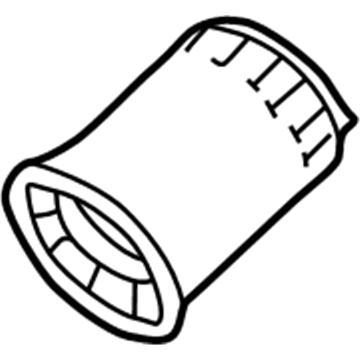
Mazda MX-6 Oil Filter Part Number: B6Y1-14-302A
$8.90 MSRP: $11.87You Save: $2.97 (26%)Ships in 1-2 Business Days
Mazda MX-6 Oil Filter Part Number: G6Y0-14-302-P1
$7.35 MSRP: $9.79You Save: $2.44 (25%)Ships in 1-2 Business Days
Mazda MX-6 Oil Filter
Looking for Oil Filter with proven quality? Choose OEM Oil Filter. Mazda designs and builds them to strict factory specs. Every piece goes through rigorous quality checks. You'll get parts that fit right and work like new. Shop our huge inventory of OEM Mazda MX-6 parts. Enjoy the highly competitive prices online. Our site is your one-stop shop. Each genuine MX-6 part includes a manufacturer's warranty. Buy with confidence. Our return policy is simple and hassle-free. In a rush? Choose expedited delivery at checkout. You'll love the streamlined experience from search to checkout to receiving your order.
Mazda MX-6 Oil Filter Parts and Q&A
- Q:Why is the oil filter crucial for preventative maintenance on Mazda MX-6?A:Regular oil changes are necessary due to preventative maintenance because old oil will be diluted and polluted, which causes early wear. Although some recommend that the oil filter be replaced after every other oil change, the cheap price and the simplicity of replacement qualify a replacement after every oil change. The tools required are a wrench to remove the drain plug, an oil filter wrench, a container of at least six-quart capacity to drain the old oil, and a funnel or spout to pour the fresh oil. Clean rags and newspapers are also essential in spills and access to underside of the vehicle is enhanced by a hoist, ramps or jackstands. It is also important to take care and acquaint yourself with the oil drain plug and filter locations as the engine parts will be hot when doing so. Prepare the engine by warming it to normal operating temperature and assemble all tools and oil required and then start. After ensuring that the engine oil has been warmed, raise and hold the vehicle firmly, and place the drain pan underneath the drain plug. Use wrench to remove the drain plug carefully so that old oil drains into the pan, and replace the pan when necessary. A drain plug and the surrounding area should be drained and cleaned after which the drain plug should be replaced firmly and the drain pan should be positioned under the oil filter. Loose the old filter with the filter wrench, and when it is too tight, stab it with a metal bar or screwdriver to act as leverage. Undo the old filter, pour out its contents into the drain pan and make sure that it matches the new filter. Wipe the mounting space and inspect the rubber gasketings that may be stuck to the mounting space, and apply a small amount of oil to the new filter gasket. Gently but not tight screw on the new filter as recommended by the manufacturer. Clear the work area under the car or vehicle, lower the vehicle and find the oil filler cap in the engine part. Add three quarts of fresh oil to the engine, allow some time to pass and then check the level of the dipstick. Turn the engine on a little, and inspect the drain plug and filter, tightening them when required. Once the oil has circulated and the filter is filled check the dipstick again and add oil accordingly. Intake watch leaks and oil levels in the initial few trips when the change has been accomplished. The old oil must be disposed of at the reclamation centers or auto shops with proper transport containers.
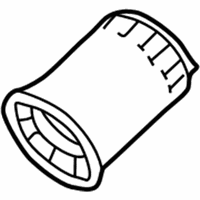
Related Mazda MX-6 Parts
 Mazda MX-6 Belt Tensioner
 Mazda MX-6 Cam Gear
 Mazda MX-6 Crankshaft
 Mazda MX-6 Crankshaft Pulley
 Mazda MX-6 Crankshaft Seal
 Mazda MX-6 Oil Pan
 Mazda MX-6 Oil Pan Baffle
 Mazda MX-6 Oil Pan Gasket
 Mazda MX-6 Rod Bearing
 Mazda MX-6 Timing Belt Tensioner
 Mazda MX-6 Timing Cover
 Mazda MX-6 Timing Cover Gasket