×
- Hello
- Login or Register
- Quick Links
- Live Chat
- Track Order
- Parts Availability
- RMA
- Help Center
- Contact Us
- Shop for
- Mazda Parts

My Garage
My Account
Cart
Genuine Mazda Protege Cooling Fan Assembly
Engine Cooling Fan- Select Vehicle by Model
- Select Vehicle by VIN
Select Vehicle by Model
orMake
Model
Year
Select Vehicle by VIN
For the most accurate results, select vehicle by your VIN (Vehicle Identification Number).
Filter by Part Type
Filter by Part Type
8 Cooling Fan Assemblys found
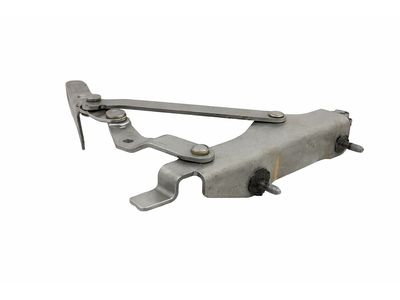
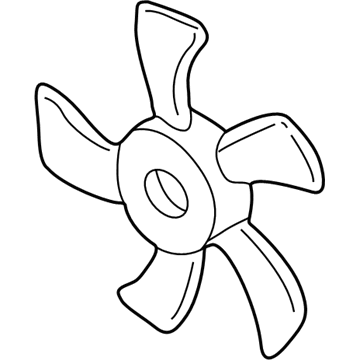
Mazda Protege Fan Blade Part Number: RF1S-15-140
$85.85 MSRP: $114.50You Save: $28.65 (26%)Ships in 1-2 Business Days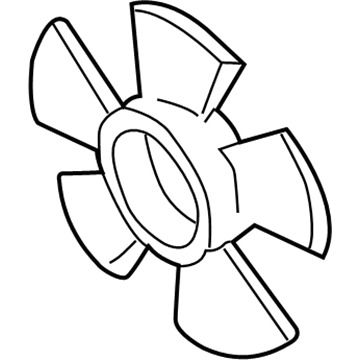
Mazda Protege Blade Part Number: E358-15-140
$60.51 MSRP: $80.71You Save: $20.20 (26%)Ships in 1-2 Business Days
Mazda Protege Blade Part Number: FEH5-15-140
$8.37 MSRP: $10.99You Save: $2.62 (24%)Ships in 1-2 Business Days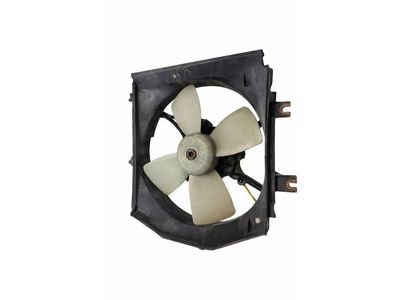
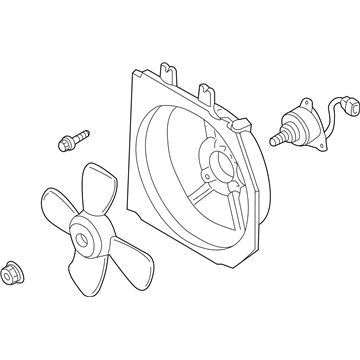
Mazda Protege Fan Assembly Part Number: ZL04-15-025C
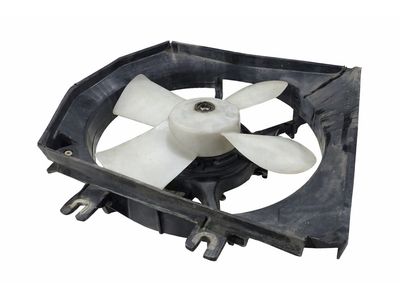
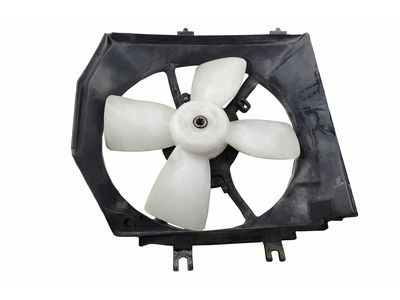
Mazda Protege Fan Assembly Part Number: ZL01-15-025C
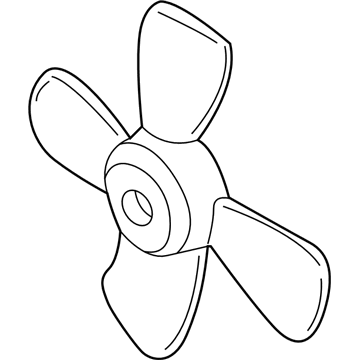
Mazda Protege Fan Blade Part Number: ZL04-15-140
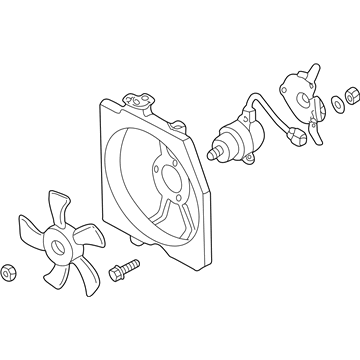
Mazda Protege Fan Assembly Part Number: FS2V-15-035F
Mazda Protege Fan Blade Part Number: B595-15-140
Mazda Protege Cooling Fan Assembly
Looking for Cooling Fan Assembly with proven quality? Choose OEM Cooling Fan Assembly. Mazda designs and builds them to strict factory specs. Every piece goes through rigorous quality checks. You'll get parts that fit right and work like new. Shop our huge inventory of OEM Mazda Protege parts. Enjoy the highly competitive prices online. Our site is your one-stop shop. Each genuine Protege part includes a manufacturer's warranty. Buy with confidence. Our return policy is simple and hassle-free. In a rush? Choose expedited delivery at checkout. You'll love the streamlined experience from search to checkout to receiving your order.
Mazda Protege Cooling Fan Assembly Parts and Q&A
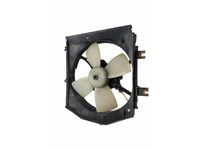
- Q:How to check the operation of a Cooling Fan Assembly and what steps should be taken if it is inoperative on Mazda Protege?A:In order to verify the fan operation, place a jumper wire between the fan test terminal and ground terminal of the diagnosis connector on the engine compartment firewall. The fan is supposed to run with ignition key ON, and in case it does not, check the components of the fan system such as a fan relay, thermoswitch, and motor. In the case of an inoperative fan motor, one should first clear the fuses, and then remove the electrical connector at the fan motor and should connect the fan to the battery using fused jumper wires. In case the fan fails to operate, change it particularly when it is two speed fan, making sure both are tested. When the fan motor test is found to be all right, but still inoperative, the problem could be with the fuse, relays, thermoswitch, or or wiring and relays and thermoswitch can be tested to determine continuity. The fan thermoswitch should have no continuity with cold and continuity with hot on 1990 through 1994 models. In the case of two-speed fan models, the second thermoswitch ought to be tested as well in the same manner. Find the number 1 fan relay in the main relay box and check continuity, remembering to check the appropriate terminal guides in accordance with model year. In case all components test good, additional diagnosis could be required at a repair facility of a qualified institution. To change the fan, disconnect negative battery cable, drain cooling system and then remove the resonance chamber, wiring connector on the fan motor, upper radiator hose, unbolt and lift fan shroud then remove fan retaining nut and fan on the motor. Lastly, take out the fan motor of the shroud and replace everything in the opposite order ensuring that all the bolts are tightened.
Related Mazda Protege Parts
 Mazda Protege Coolant Reservoir
 Mazda Protege Coolant Pipe
 Mazda Protege Coolant Reservoir Cap
 Mazda Protege Coolant Reservoir Hose
 Mazda Protege Cooling Hose
 Mazda Protege Drive Belt
 Mazda Protege Fan Motor
 Mazda Protege Fan Shroud
 Mazda Protege Oil Cooler Hose
 Mazda Protege Radiator fan
 Mazda Protege Thermostat
 Mazda Protege Water Pump Gasket
Browse by Year
2003 Cooling Fan Assembly
2002 Cooling Fan Assembly
2001 Cooling Fan Assembly
2000 Cooling Fan Assembly
1999 Cooling Fan Assembly
1998 Cooling Fan Assembly
1997 Cooling Fan Assembly
1996 Cooling Fan Assembly
1995 Cooling Fan Assembly
1994 Cooling Fan Assembly 1993 Cooling Fan Assembly 1992 Cooling Fan Assembly 1991 Cooling Fan Assembly 1990 Cooling Fan Assembly