×
- Hello
- Login or Register
- Quick Links
- Live Chat
- Track Order
- Parts Availability
- RMA
- Help Center
- Contact Us
- Shop for
- Mazda Parts

My Garage
My Account
Cart
Genuine Mazda 323 Oil Filter
Engine Oil filter- Select Vehicle by Model
- Select Vehicle by VIN
Select Vehicle by Model
orMake
Model
Year
Select Vehicle by VIN
For the most accurate results, select vehicle by your VIN (Vehicle Identification Number).
1 Oil Filter found
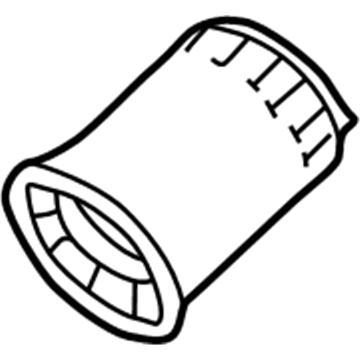
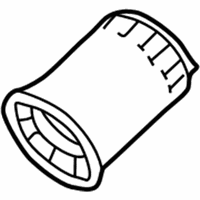
Mazda 323 Oil Filter Part Number: B6Y1-14-302A
$8.90 MSRP: $11.87You Save: $2.97 (26%)Ships in 1-2 Business Days
Mazda 323 Oil Filter
The Mazda 323 Oil Filter is the first line of defence because it captures dirt and metal shavings, thus ensuring that uncontaminated oil lubricates all the parts. It uses pleated media of cellulose, synthetic fibers, or a mixture to force pressurized oil through a series of filter media to remove up to 99 percent of contaminants without blocking the flow. Capacity also has significance as the housing should be able to retain debris until the next oil change, otherwise it can clog the engine to death. Over the decades Mazda employed two types on this small line, full flow units that wash all the drops prior to the bearings and bypass units that polish a side stream that extends the oil life. The majority of the common cars in the 323 family are based on a spin-on full flow design with a pressure relief valve and an anti-drainback flap, which makes the oil come immediately during cold start-ups. Superior performance models with large volume pumps and thick 20W-50 oil require a stronger Oil Filter shell that has a stronger burst resistance to prevent bursting. Late 1990s car manufacturers, such as Mazda, stopped using throwaway spin-ons and adopted environmentally friendly cartridges, which slide into a reusable canister, reducing waste and allowing the use of finer synthetic media. Whichever the style, the Mazda Oil Filter should be changed on schedule, as once it gets filled, the contaminants begin to circulate and the engine of any model is likely to wear each time. Proper maintenance puts all Mazdas on track.
Looking for Oil Filter with proven quality? Choose OEM Oil Filter. Mazda designs and builds them to strict factory specs. Every piece goes through rigorous quality checks. You'll get parts that fit right and work like new. Shop our huge inventory of OEM Mazda 323 parts. Enjoy the highly competitive prices online. Our site is your one-stop shop. Each genuine 323 part includes a manufacturer's warranty. Buy with confidence. Our return policy is simple and hassle-free. In a rush? Choose expedited delivery at checkout. You'll love the streamlined experience from search to checkout to receiving your order.
Mazda 323 Oil Filter Parts and Q&A
- Q:Is regular oil filter replacement essential for preventive maintenance on Mazda 323?A:Regular oil replacement is a necessity in the preventive maintenance since the older oil becomes diluted and contaminated and hence causes early wear of the engine. Have everything you require before beginning, rags or newspapers to clean up the spills. A hoist, ramps or jack stands are used to gain access to the underside of the vehicle. Get to know where the oil drain plug is but remember that the engine and exhaust parts are hot. Park the car in a flat area, turn on the engine until it attains normal working temperature and switch off. Lift the car and hold it in position. A drain pan should be carefully placed beneath the drain plug, and the plug is removed with the right wrench and the old oil should drain out and the drain should be checked whether it has any metal shavings. Once emptied, wipe down the drain plug and surrounding, replace the plug, and place the drain pan beneath the oil filter. Use a wrench to loosen the oil filter, and it can be unscrewed by hand, being tilted to avoid spills. Wipe the mounting surface on the block making sure that there is no old gasket residue. Compare the new filter and the old filter, lubricate the gasket of the new filter with the engine oil and place by hand, without tightening it too tightly. Take off all the tools and rags that are beneath the vehicle, lower, and pour in new oil with the help of a funnel after using the filler cap. Wait some few minutes, inspect the dipstick in the oil and when the oil is at the level of full, turn on the engine to pump the new oil. Once the engine has been running, after approximately one minute, confirm there are no leakages at the drain plug and oil filter, and tighten them as required. Check the level of oil again and pour more oil. The first several trips to check the leaks and the oil level after changing the oil. Discard the old oil in a proper way, but not reusing it and putting it in a recycling facility, not pouring it down the drain or the ground.
Related Mazda 323 Parts
 Mazda 323 Timing Belt
 Mazda 323 Belt Tensioner
 Mazda 323 Camshaft Seal
 Mazda 323 Crankshaft
 Mazda 323 Crankshaft Pulley
 Mazda 323 Crankshaft Seal
 Mazda 323 Harmonic Balancer
 Mazda 323 Oil Pan
 Mazda 323 Oil Pan Gasket
 Mazda 323 Rod Bearing
 Mazda 323 Timing Belt Idler Pulley
 Mazda 323 Timing Cover Gasket