×
- Hello
- Login or Register
- Quick Links
- Live Chat
- Track Order
- Parts Availability
- RMA
- Help Center
- Contact Us
- Shop for
- Mazda Parts

My Garage
My Account
Cart
Genuine Mazda 6 Fuse Box
Fuse Holder Box- Select Vehicle by Model
- Select Vehicle by VIN
Select Vehicle by Model
orMake
Model
Year
Select Vehicle by VIN
For the most accurate results, select vehicle by your VIN (Vehicle Identification Number).
12 Fuse Boxes found
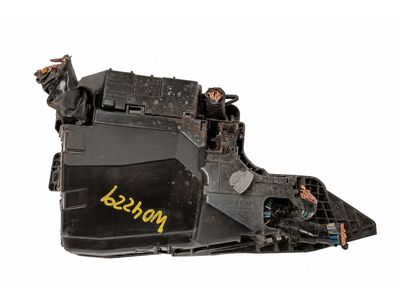
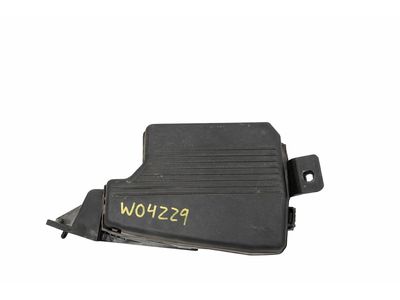
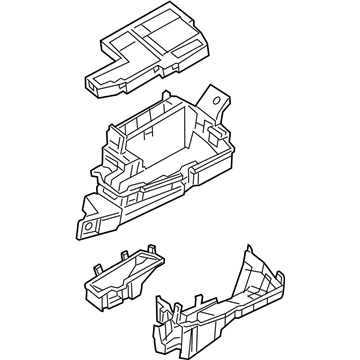
Mazda 6 Fuse & Relay Box Part Number: TK48-66-760
$176.45 MSRP: $235.32You Save: $58.87 (26%)Ships in 1-2 Business Days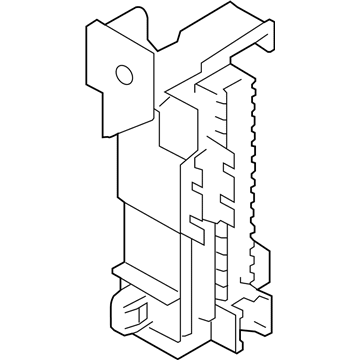
Mazda 6 Fuse & Relay Box Part Number: GHP9-66-730
$16.36 MSRP: $21.81You Save: $5.45 (25%)Ships in 1-2 Business Days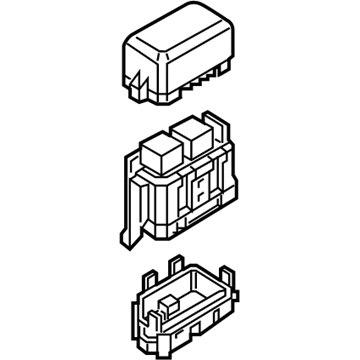
Mazda 6 Relay & Fuse Plate Part Number: GRT8-66-750
$22.88 MSRP: $30.50You Save: $7.62 (25%)Ships in 1-2 Business Days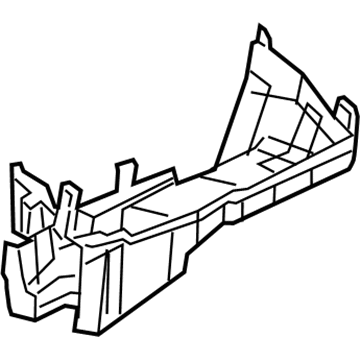
Mazda 6 Lower Cover Part Number: KD45-66-767
$25.21 MSRP: $33.62You Save: $8.41 (26%)Ships in 1-2 Business Days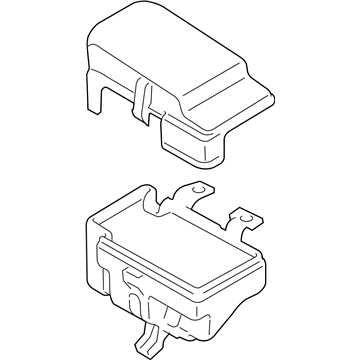
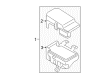
Mazda 6 Fuse & Relay Box Part Number: GP9A-66-760A
$220.14 MSRP: $293.57You Save: $73.43 (26%)Ships in 1-2 Business Days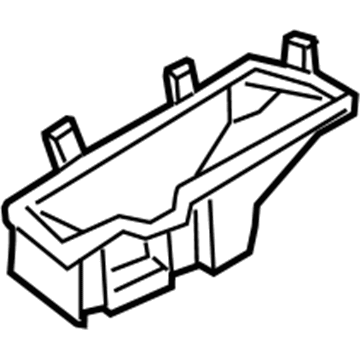
Mazda 6 Fuse Box Part Number: KD47-66-767
$11.38 MSRP: $15.17You Save: $3.79 (25%)Ships in 1-2 Business DaysMazda 6 Relay & Fuse Plate Part Number: GBVL-66-750
$27.70 MSRP: $36.95You Save: $9.25 (26%)Ships in 1-2 Business Days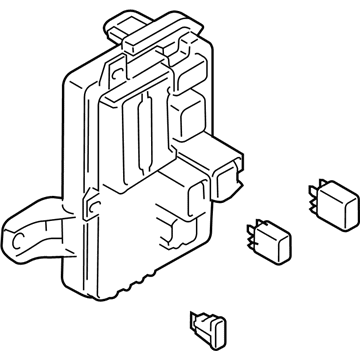
Mazda 6 Fuse & Relay Box Part Number: GP9B-66-730A
$6.35 MSRP: $8.34You Save: $1.99 (24%)Ships in 1-2 Business Days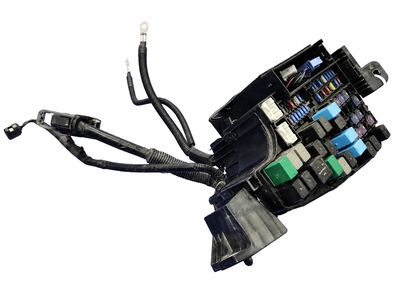
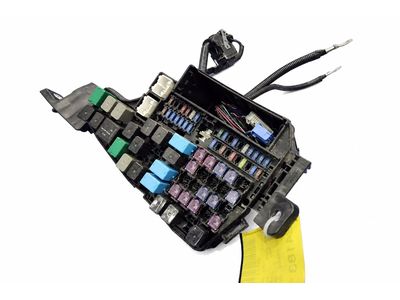
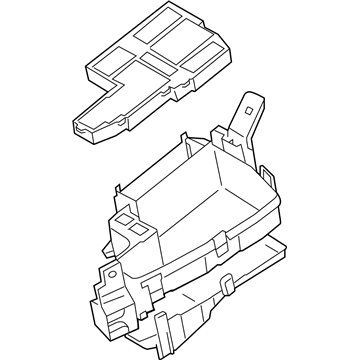
Mazda 6 Fuse & Relay Box Part Number: GHP9-66-760
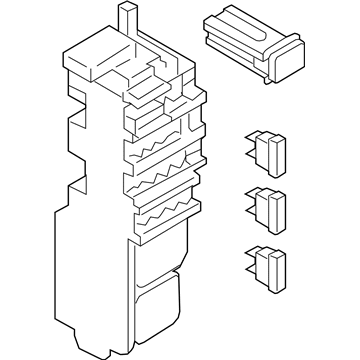
Mazda 6 Fuse & Relay Box Part Number: GS1D-66-730
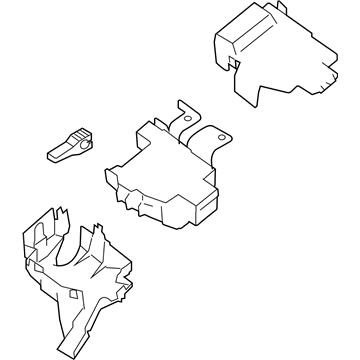
Mazda 6 Fuse & Relay Box Part Number: GS3L-66-760B
Mazda 6 Fuse & Relay Box Part Number: GEG1-66-760
Mazda 6 Fuse Box
The Fuse Box of Mazda 6 can instantly cut off any circuit that starts drawing dangerously high current. Thus, it protects vital components and allows them to keep operating without fault. This device is installed in a sealed and easily accessible enclosure in the engine bay or underneath the dash. Its assembly, which uses color-coded blade fuses and smartly placed circuit breakers, ensures that components such as fuel injection, lighting, climate control, airbags, and in-car entertainment get the right voltage. Additionally, it blocks overloads that would otherwise melt wiring. The dedicated ignition-off draw slot prevents draining the battery during long storage. The first-generation Mazda 6 is compatible with the 1.8, 2.0, and 2.3-liter petrol engines as well as the turbodiesel version, as is the second-generation Mazda 6 with its improved chassis 1.8, 2.0, and 2.5-liter petrol units and 2.0 or 2.2-liter diesels including the later turbocharged performance versions. All share the same carefully managed power distribution layout and a wide fit across the sedan, liftback, wagon, and MAZDASPEED versions. Inside the Fuse Box, low voltage current flows along a channel that is very efficient and rigid. In this way, there is not as much resistance and heating. Thus, it helps in increasing efficiency. Therefore, it is well regarded by owners for its reliability. In all driving experiences, whether spirited or just sitting in traffic, moisture and dirt cannot enter. An O-ring sealed cover prevents any corrosion on the terminals that might interfere with the operation of the sensors and pumps. Fast and simple visual fuse checks and on-the-spot resetting of breakers, along with the tool-free replacement of fuses in a lightweight composite shell, enhance overall efficiency and safety. This Fuse Box feature has added to Mazda's reputation for delivering reliable, performance-oriented transport.
Looking for Fuse Box with proven quality? Choose OEM Fuse Box. Mazda designs and builds them to strict factory specs. Every piece goes through rigorous quality checks. You'll get parts that fit right and work like new. Shop our huge inventory of OEM Mazda 6 parts. Enjoy the highly competitive prices online. Our site is your one-stop shop. Each genuine 6 part includes a manufacturer's warranty. Buy with confidence. Our return policy is simple and hassle-free. In a rush? Choose expedited delivery at checkout. You'll love the streamlined experience from search to checkout to receiving your order.