×
- Hello
- Login or Register
- Quick Links
- Live Chat
- Track Order
- Parts Availability
- RMA
- Help Center
- Contact Us
- Shop for
- Mazda Parts

My Garage
My Account
Cart
Genuine Mazda Fuse Box
Fuse Holder Box- Select Vehicle by Model
- Select Vehicle by VIN
Select Vehicle by Model
orMake
Model
Year
Select Vehicle by VIN
For the most accurate results, select vehicle by your VIN (Vehicle Identification Number).
47 Fuse Boxes found
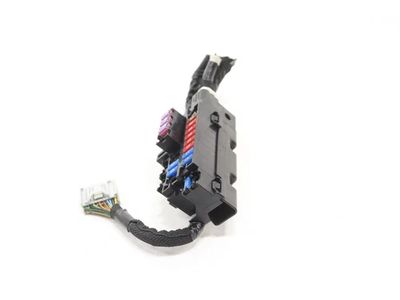
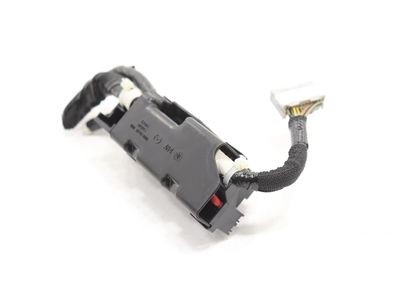
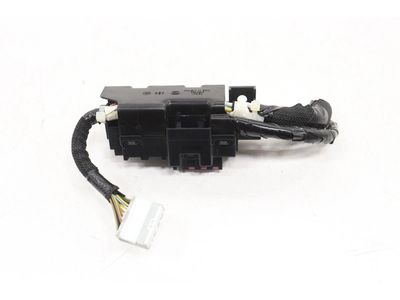
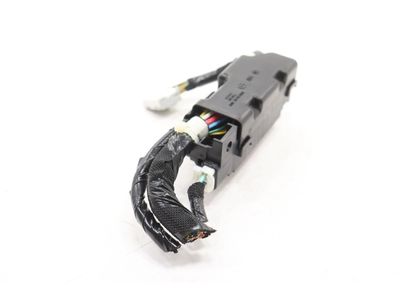
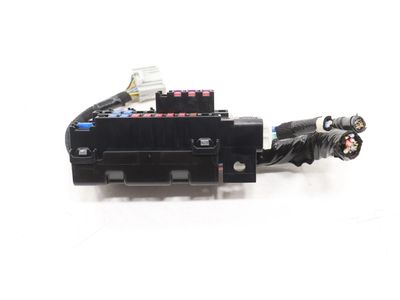
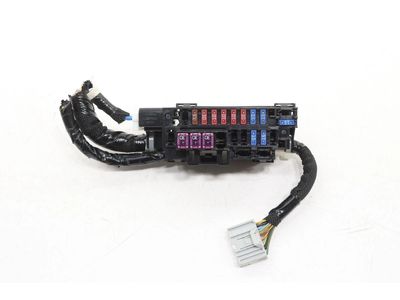
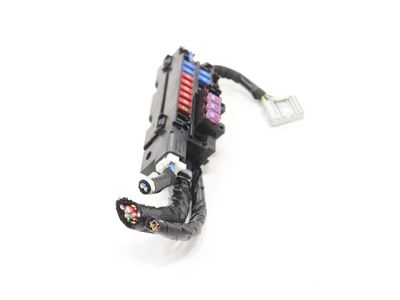
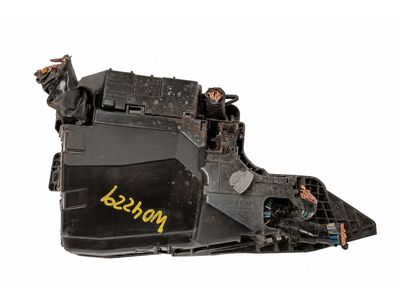
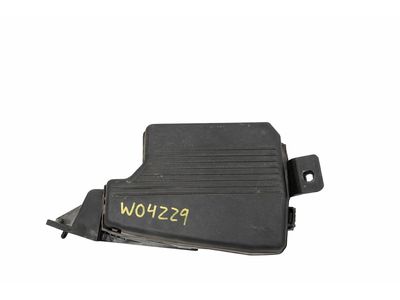
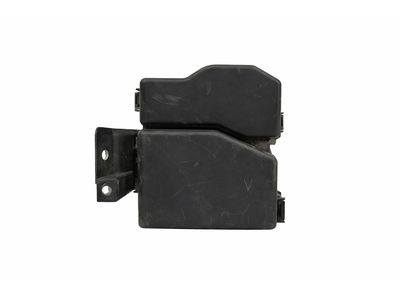
Mazda Fuse Box Part Number: BCKA-66-730
$29.08 MSRP: $38.77You Save: $9.69 (25%)Ships in 1-2 Business DaysProduct Specifications- Other Name: Block, Fuse; Fuse Holder
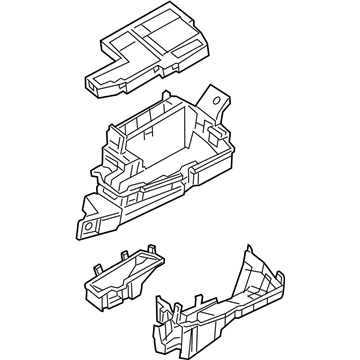
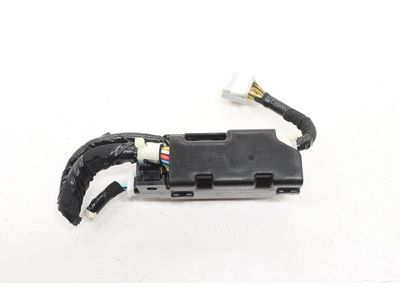
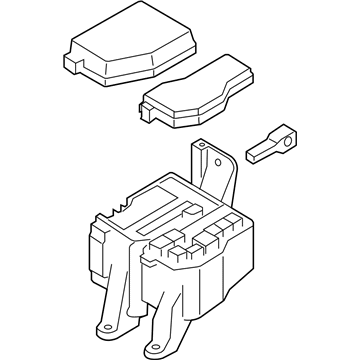
Mazda Fuse & Relay Box Part Number: TK48-66-760
$176.45 MSRP: $235.32You Save: $58.87 (26%)Ships in 1-2 Business DaysProduct Specifications- Other Name: Block, Main Fuse
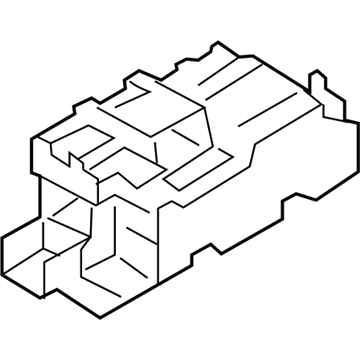
Mazda Fuse & Relay Box Part Number: TK24-66-760
$187.58 MSRP: $250.15You Save: $62.57 (26%)Ships in 1-2 Business DaysProduct Specifications- Other Name: Block, Main Fuse
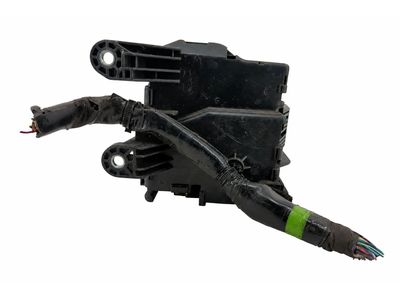
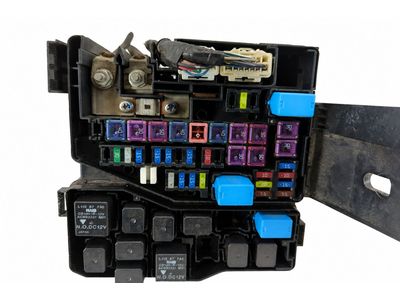
Mazda Fuse & Relay Box Part Number: TK21-66-760
$187.58 MSRP: $250.15You Save: $62.57 (26%)Ships in 1-2 Business DaysProduct Specifications- Other Name: Block, Main Fuse
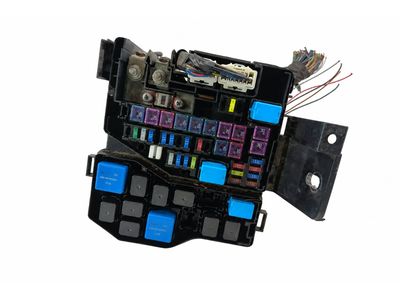
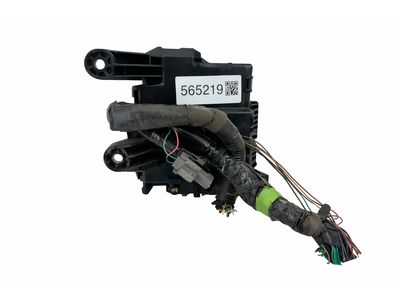
Mazda Fuse & Relay Box Part Number: TG21-66-760
$192.75 MSRP: $257.05You Save: $64.30 (26%)Ships in 1-2 Business DaysProduct Specifications- Other Name: Block, Main Fuse
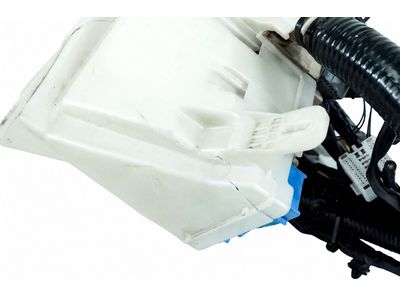
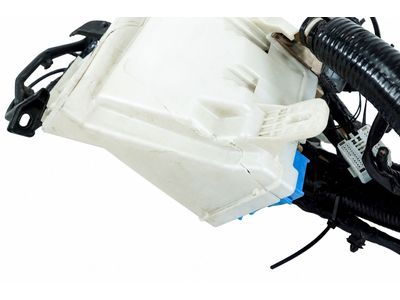
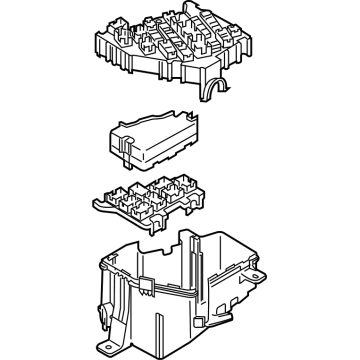
Mazda Fuse & Relay Box Part Number: NE51-66-760B
$215.79 MSRP: $287.77You Save: $71.98 (26%)Ships in 1-2 Business DaysProduct Specifications- Other Name: Block, Main Fuse
- Replaces: NE51-66-760A
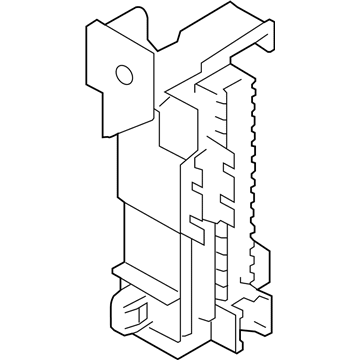
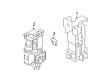
Mazda Fuse & Relay Box Part Number: GHP9-66-730
$16.36 MSRP: $21.81You Save: $5.45 (25%)Ships in 1-2 Business DaysProduct Specifications- Other Name: Block, Fuse
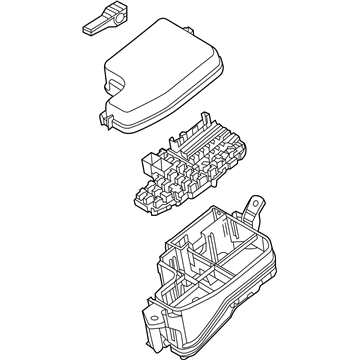
Mazda Fuse & Relay Box Part Number: B62S-66-760
$200.66 MSRP: $267.61You Save: $66.95 (26%)Ships in 1-2 Business DaysProduct Specifications- Other Name: Block, Main Fuse
- Replaces: BHR1-66-760, BHR1-66-760A
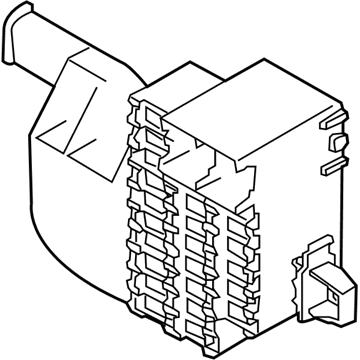
Mazda Fuse Box Part Number: D651-66-730A
$6.79 MSRP: $9.06You Save: $2.27 (26%)Ships in 1-2 Business DaysProduct Specifications- Other Name: Block, Fuse
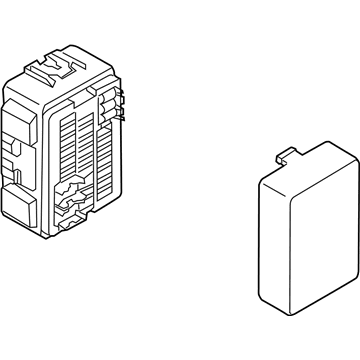
Mazda Fuse Box Part Number: L206-66-730
$21.80 MSRP: $29.07You Save: $7.27 (26%)Ships in 1-2 Business DaysProduct Specifications- Other Name: Block, Fuse
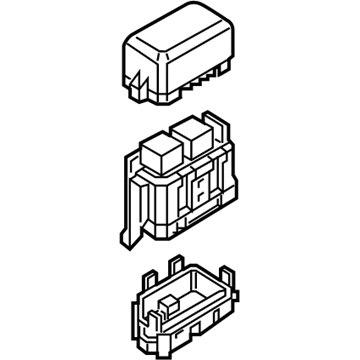
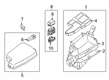
Mazda Relay & Fuse Plate Part Number: GRT8-66-750
$22.88 MSRP: $30.50You Save: $7.62 (25%)Ships in 1-2 Business DaysProduct Specifications- Other Name: Box, Relay; Relay Box
- Position: Passenger Side
- Replaces: GRT7-66-750
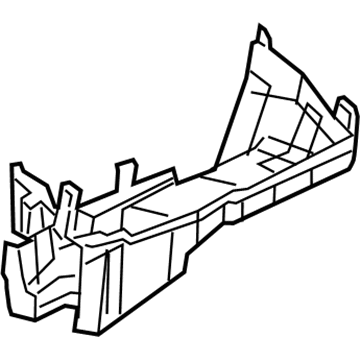
Mazda Lower Cover Part Number: KD45-66-767
$25.21 MSRP: $33.62You Save: $8.41 (26%)Ships in 1-2 Business DaysProduct Specifications- Other Name: Cover, Under-Main Fuse Black; Fuse & Relay Box, Fuse & Relay Box Lower Cover
- Position: Passenger Side
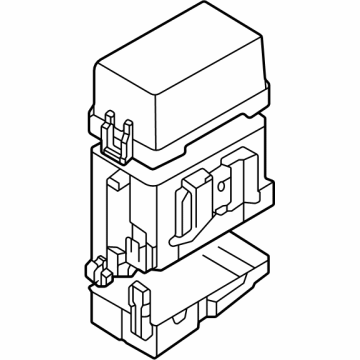
Mazda Box, Relay Part Number: GRT9-66-750
$28.68 MSRP: $38.24You Save: $9.56 (25%)Ships in 1-2 Business DaysProduct Specifications- Other Name: Relay Box
- Position: Driver Side
- Replaces: GRT6-66-750
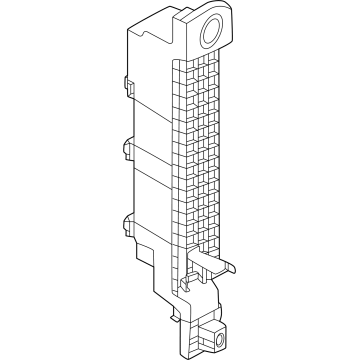
Mazda Block, Fuse Part Number: KR9P-66-730
$33.50 MSRP: $44.67You Save: $11.17 (26%)Ships in 1-2 Business DaysProduct Specifications- Other Name: BLOCK,FUSE; Fuse & Relay Box
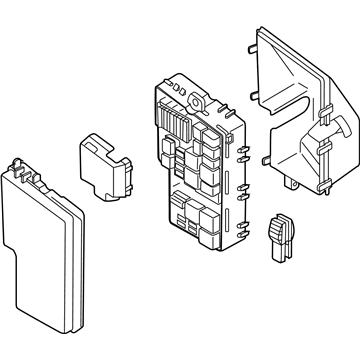
Mazda Fuse & Relay Box Part Number: EH44-66-760B
$204.46 MSRP: $272.67You Save: $68.21 (26%)Ships in 1-2 Business DaysProduct Specifications- Other Name: Block, Main Fuse
Mazda Fuse & Relay Box Part Number: TE71-66-760A
$210.69 MSRP: $280.97You Save: $70.28 (26%)Ships in 1-2 Business DaysProduct Specifications- Other Name: Block, Main Fuse
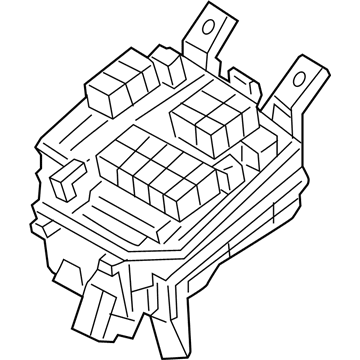
Mazda Fuse & Relay Box Part Number: BCKA-66-760
$216.18 MSRP: $288.29You Save: $72.11 (26%)Ships in 1-2 Business DaysProduct Specifications- Other Name: Block, Main Fuse
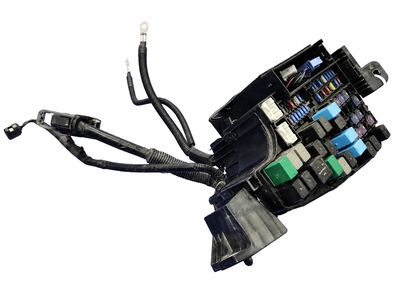
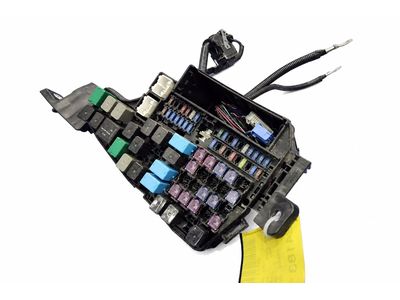
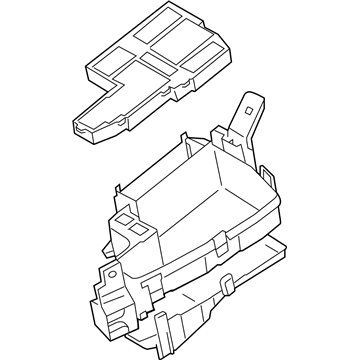
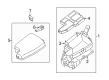
Mazda Fuse & Relay Box Part Number: GHP9-66-760
Product Specifications- Other Name: Block, Main Fuse
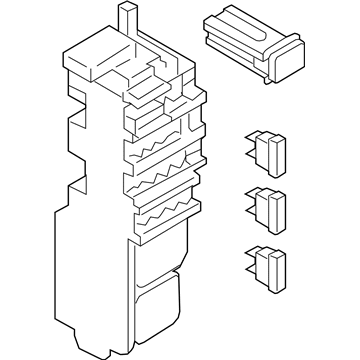
Mazda Fuse & Relay Box Part Number: GS1D-66-730
Product Specifications- Other Name: Block, Fuse
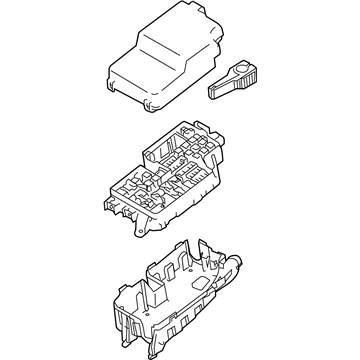
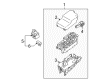
Mazda Fuse & Relay Box Part Number: BBM6-66-760
Product Specifications- Other Name: Block, Main Fuse
| Page 1 of 3 |Next >
1-20 of 47 Results
Mazda Fuse Box
The Mazda Fuse Box provides protection to every circuit in the vehicle, immediately shutting off power when there is a surge of current beyond what is safe for the vehicle's lights, infotainment and control units. Mazda cars have received worldwide acclaim for their fun-to-drive characteristics, Skyactiv engines that sip fuel but pack a punch, and the signature Kodo styling that appears to be in motion even when at a halt. Inside, Mazda provides i-Activsense features such as lane keeping and radar cruise to help drivers keep their eyes on the road and stay alert, while available all-wheel drive demonstrates its prowess on bumpy roads and in the rain. Owners also like the way in which Mazda combines eco-friendly mild hybrid and electric technologies with the same fun-to-drive spirit first introduced in its rotary heritage. Hidden under that sleek bodywork, the Fuse Box incorporates labeled blade fuses and a resettable circuit breaker to create a small power hub that fits every model of Mazda, from compact cars to capable SUVs. One section is housed in the engine bay for handling heavy loads while another is kept close to the steering wheel for quick checks allowing drivers to find and replace a blown fuse in minutes. An ignition-off draw slot even helps in saving battery charge when parking for a long time. Thanks to solid construction and accessibility, the Mazda Fuse Box keeps future upgrades such as upgraded stereos or LED lighting running safely without fuss.
You'll get great performance and real durability when you pick genuine OEM Fuse Box. Mazda builds these using high-quality materials and official factory methods to ensure they hold up mile after mile. You deserve that Mazda reliability without the headache of cheap knockoffs. It is easy to find exactly what you need in our huge inventory of genuine parts. Plus, every OEM part carries a real manufacturer's warranty for your peace of mind. You will love our low prices too. Order today and we will ship your brand-new parts fast. They often reach your door in just a few days.