×
- Hello
- Login or Register
- Quick Links
- Live Chat
- Track Order
- Parts Availability
- RMA
- Help Center
- Contact Us
- Shop for
- Mazda Parts

My Garage
My Account
Cart
Genuine Mazda Millenia Radiator Hose
Radiator Hose Tube- Select Vehicle by Model
- Select Vehicle by VIN
Select Vehicle by Model
orMake
Model
Year
Select Vehicle by VIN
For the most accurate results, select vehicle by your VIN (Vehicle Identification Number).
11 Radiator Hoses found
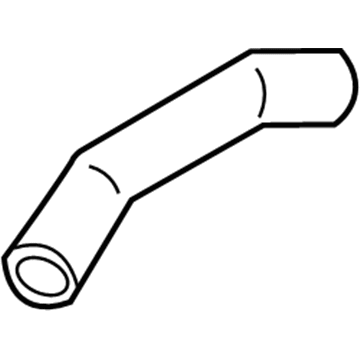
Mazda Millenia Upper Hose Part Number: KL47-15-186
$15.56 MSRP: $20.75You Save: $5.19 (26%)Ships in 1-2 Business Days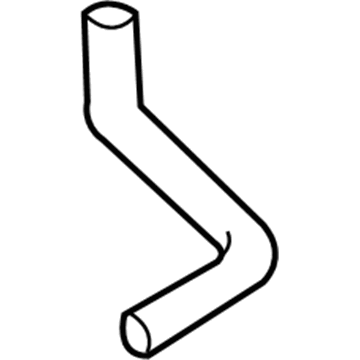
Mazda Millenia Lower Hose Part Number: KJ01-15-185
$20.31 MSRP: $27.09You Save: $6.78 (26%)Ships in 1-2 Business Days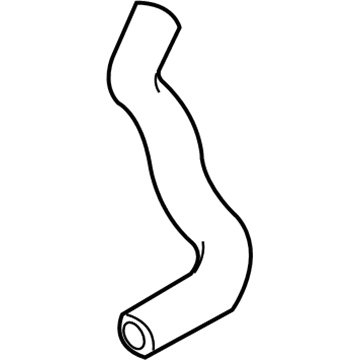
Mazda Millenia Lower Hose Part Number: KL47-15-185
$22.25 MSRP: $29.68You Save: $7.43 (26%)Ships in 1-2 Business Days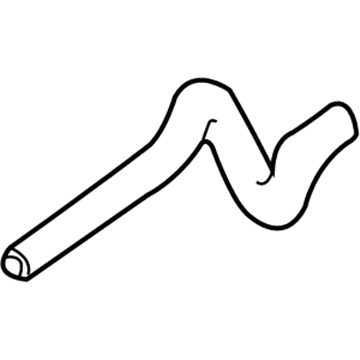
Mazda Millenia Hose Part Number: TA01-61-24XA
$65.81 MSRP: $87.76You Save: $21.95 (26%)Ships in 1-2 Business Days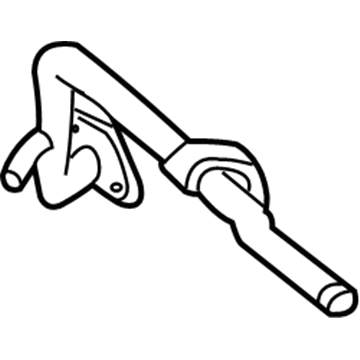
Mazda Millenia By-Pass Pipe Part Number: KJ01-15-290A
$70.13 MSRP: $93.52You Save: $23.39 (26%)Ships in 1-2 Business Days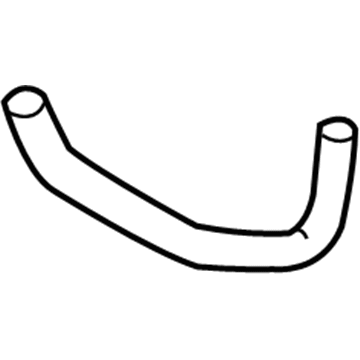
Mazda Millenia Overflow Hose Part Number: KL47-15-381A
$10.94 MSRP: $14.58You Save: $3.64 (25%)Ships in 1-2 Business Days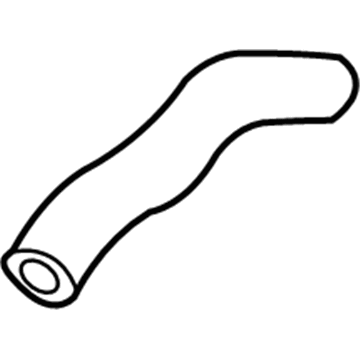
Mazda Millenia Upper Hose Part Number: KJ01-15-186
$14.89 MSRP: $19.85You Save: $4.96 (25%)Ships in 1-2 Business Days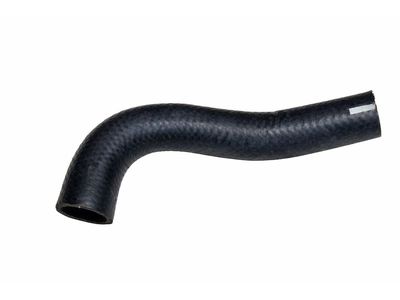
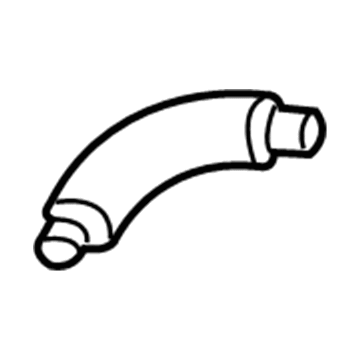
Mazda Millenia By-Pass Hose Part Number: KL47-15-260
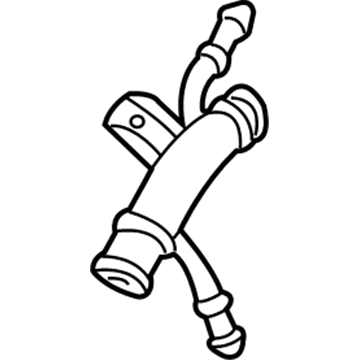
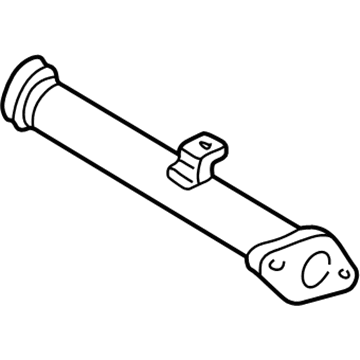
Mazda Millenia Pipe Part Number: KL47-15-180B
Mazda Millenia Water Pipe Part Number: KL01-15-190B
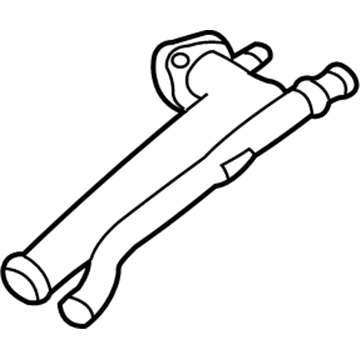
Mazda Millenia Water Pipe Part Number: KJ01-15-190A
Mazda Millenia Radiator Hose
Looking for Radiator Hose with proven quality? Choose OEM Radiator Hose. Mazda designs and builds them to strict factory specs. Every piece goes through rigorous quality checks. You'll get parts that fit right and work like new. Shop our huge inventory of OEM Mazda Millenia parts. Enjoy the highly competitive prices online. Our site is your one-stop shop. Each genuine Millenia part includes a manufacturer's warranty. Buy with confidence. Our return policy is simple and hassle-free. In a rush? Choose expedited delivery at checkout. You'll love the streamlined experience from search to checkout to receiving your order.
Related Mazda Millenia Parts
 Mazda Millenia Radiator
 Mazda Millenia Coolant Pipe
 Mazda Millenia Coolant Reservoir
 Mazda Millenia Coolant Reservoir Hose
 Mazda Millenia Cooling Fan Assembly
 Mazda Millenia Fan Shroud
 Mazda Millenia Oil Cooler Hose
 Mazda Millenia Radiator fan
 Mazda Millenia Thermostat
 Mazda Millenia Thermostat Housing
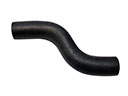 Mazda Millenia Water Hose
 Mazda Millenia Water Pump Pulley