×
- Hello
- Login or Register
- Quick Links
- Live Chat
- Track Order
- Parts Availability
- RMA
- Help Center
- Contact Us
- Shop for
- Mazda Parts

My Garage
My Account
Cart
Genuine Mazda MX-5 Miata Spark Plug
Ignition Spark Plug- Select Vehicle by Model
- Select Vehicle by VIN
Select Vehicle by Model
orMake
Model
Year
Select Vehicle by VIN
For the most accurate results, select vehicle by your VIN (Vehicle Identification Number).
3 Spark Plugs found
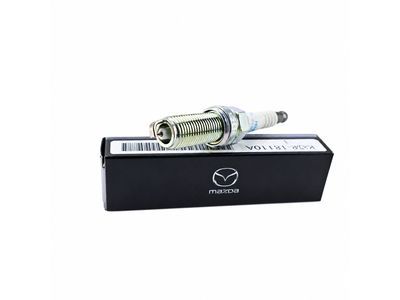
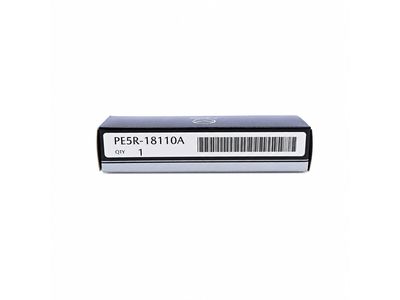
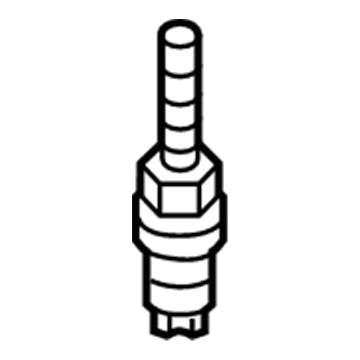
Mazda MX-5 Miata Spark Plug Part Number: PE5R-18-110A
$26.58 MSRP: $35.44You Save: $8.86 (25%)Ships in 1-2 Business Days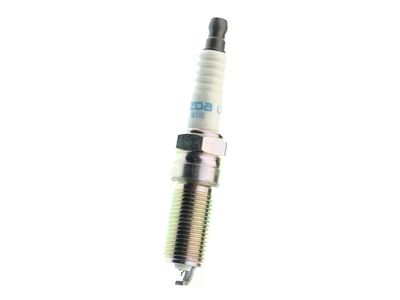
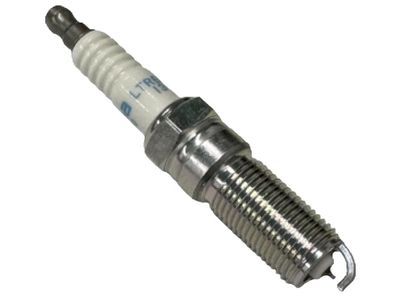
Mazda MX-5 Miata Spark Plug Part Number: LFJR-18-110-9U
$22.76 MSRP: $30.36You Save: $7.60 (26%)Ships in 1-2 Business Days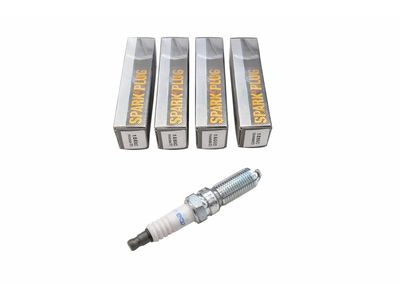
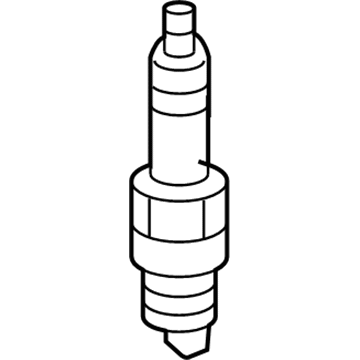
Mazda MX-5 Miata Spark Plug Part Number: LFJR-18-110
$17.65 MSRP: $23.53You Save: $5.88 (25%)Ships in 1-2 Business Days
Mazda MX-5 Miata Spark Plug
Looking for Spark Plug with proven quality? Choose OEM Spark Plug. Mazda designs and builds them to strict factory specs. Every piece goes through rigorous quality checks. You'll get parts that fit right and work like new. Shop our huge inventory of OEM Mazda MX-5 Miata parts. Enjoy the highly competitive prices online. Our site is your one-stop shop. Each genuine MX-5 Miata part includes a manufacturer's warranty. Buy with confidence. Our return policy is simple and hassle-free. In a rush? Choose expedited delivery at checkout. You'll love the streamlined experience from search to checkout to receiving your order.
Mazda MX-5 Miata Spark Plug Parts and Q&A
- Q:What tools and steps are required for spark plug replacement on Mazda MX-5 Miata?A:Replacement of spark plugs involves use of spark plug socket which fits into a ratchet wrench and it is lined with rubber grommet to safeguard the porcelain insulator and gripping the plug on insertion. A wire-type feeler gauge will be required to verify and manage the spark plug gap, and a torque wrench will be required to screw the new plugs to the required torque. When changing plugs, they need to buy the right ones according to the vehicle, in order to fit it into the right gap and replace each plug individually. Check new plugs, checking the gaps between electrodes using the wire gauge; in case of a need to do it, work with the notched adjuster. To prevent any confusion of the spark plug wires, proceed one plug at a time, and loosen the wire and boot by a twisting motion. Use compressed air to clear any dirt in the area then remove the spark plug. Check old plugs against a reference chart to determine the condition of the engine, and treat the threads of new plugs with anti-seize compound to prevent cross-threading. To get the plug in position, a small length of rubber hose can be used to center the plug in place. When tightening, make a twisting movement so as to attach the plug wire. To change the ignition coils on models 2001 to 2005, two ignition coils are to be removed and the plugs replaced whereas in 2006 and above, there are no spark plug wires and each ignition coil is fitted directly on the top of each plug.
Related Mazda MX-5 Miata Parts
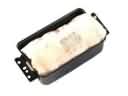 Mazda MX-5 Miata Airbag
 Mazda MX-5 Miata Antenna Base
 Mazda MX-5 Miata Camshaft Position Sensor
 Mazda MX-5 Miata Crankshaft Position Sensor
 Mazda MX-5 Miata Engine Control Module
 Mazda MX-5 Miata Hazard Warning Switch
 Mazda MX-5 Miata Horn
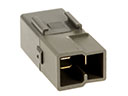 Mazda MX-5 Miata Horn Relay
 Mazda MX-5 Miata Ignition Coil
 Mazda MX-5 Miata Knock Sensor
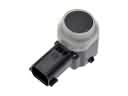 Mazda MX-5 Miata Parking Assist Sensor
 Mazda MX-5 Miata Wiper Pivot
Browse by Year
2025 Spark Plug 2024 Spark Plug 2023 Spark Plug 2022 Spark Plug 2021 Spark Plug 2020 Spark Plug 2019 Spark Plug 2018 Spark Plug 2017 Spark Plug 2016 Spark Plug 2015 Spark Plug 2014 Spark Plug 2013 Spark Plug 2012 Spark Plug 2011 Spark Plug 2010 Spark Plug 2009 Spark Plug 2008 Spark Plug 2007 Spark Plug 2006 Spark Plug