×
- Hello
- Login or Register
- Quick Links
- Live Chat
- Track Order
- Parts Availability
- RMA
- Help Center
- Contact Us
- Shop for
- Mazda Parts

My Garage
My Account
Cart
Genuine Mazda Protege Distributor Rotor
Ignition Distributor Rotor- Select Vehicle by Model
- Select Vehicle by VIN
Select Vehicle by Model
orMake
Model
Year
Select Vehicle by VIN
For the most accurate results, select vehicle by your VIN (Vehicle Identification Number).
2 Distributor Rotors found
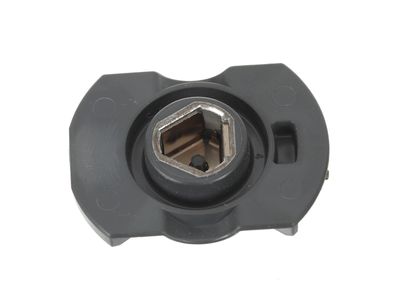
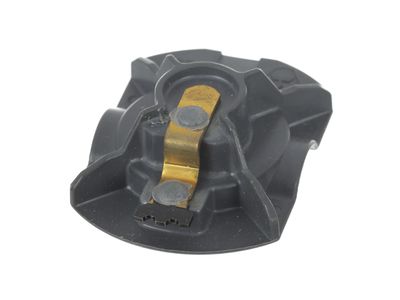
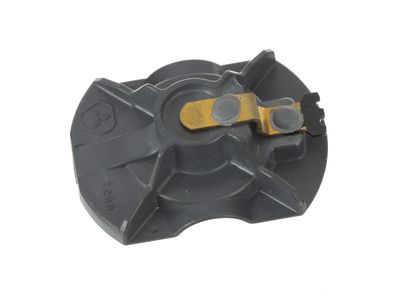
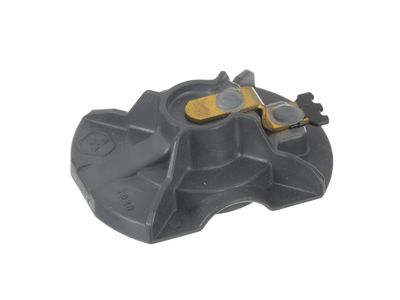
Mazda Protege Rotor Part Number: B6BF-18-V05-9U

Mazda Protege Cap Part Number: F220-18-V05B-9U
Mazda Protege Distributor Rotor
Looking for Distributor Rotor with proven quality? Choose OEM Distributor Rotor. Mazda designs and builds them to strict factory specs. Every piece goes through rigorous quality checks. You'll get parts that fit right and work like new. Shop our huge inventory of OEM Mazda Protege parts. Enjoy the highly competitive prices online. Our site is your one-stop shop. Each genuine Protege part includes a manufacturer's warranty. Buy with confidence. Our return policy is simple and hassle-free. In a rush? Choose expedited delivery at checkout. You'll love the streamlined experience from search to checkout to receiving your order.
Mazda Protege Distributor Rotor Parts and Q&A
- Q:How to inspect and maintain the Distributor Cap, Distributor Rotor and Spark Plug Wire without a conventional distributor on Mazda Protege?A:On later models (1999 and later) no conventional distributor is used, a Camshaft Position Sensor is fitted in its location and two coil-packs are used to discharge the spark plugs through the valve cover. The PCM controls the ignition control and the coil-packs have two cylinders each. Whenever new spark plugs are installed, spark plug wires are to be inspected and this should begin with visual check when the engine is running in a dark environment so that arcing or sparks can be noted which are indicators that the wire is damaged. All the wires should be tested separately to ensure that the order of firing is correct and the wires used are original and numbered to identify them. When removing a wire, one should use a removal tool or twist the rubber boot to ensure not to pull by the wire. Inspect the inside of the boot to determine whether it is corroded or not; the connector of the metal must fit the connector of the spark plug snugly, in which case, crimp the connector. Wipe the wire with your hand and look at it without bending sharply to the assessment of burns or cracks. Uncouple the wire, and distributor cap ensuring that no corrosion occurs or that it does not fit. When one inspects all the wires, in case new ones are required, buy a set that would fit the engine model and then replace each individual wire. Disassemble the distributor cap by loosening the retaining screws and examine it thoroughly like checking cracks, carbon tracks and damaged contacts and changing it accordingly. Inspect the rotor condition and change it in case of any flaws. Installation of a new cap and rotor with new spark plug wires is recommended, but in case the old cap is to be kept, it is recommended to check the resistance between the wires and the cap; and in case it is higher than the maximum, replace the cap and /or the wires. Installation of a new cap should follow this procedure to avoid confusion with the firing order: remove the wires of the old cap one by one when putting in place the new cap.
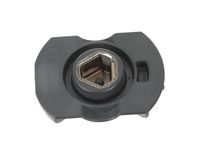
Related Mazda Protege Parts
 Mazda Protege Crankshaft Position Sensor
 Mazda Protege Ignition Coil
 Mazda Protege Camshaft Position Sensor
 Mazda Protege ABS Pump And Motor Assembly
 Mazda Protege Body Control Module
 Mazda Protege Distributor
 Mazda Protege Distributor Cap
 Mazda Protege Engine Control Module
 Mazda Protege Ignition Control Module
 Mazda Protege Relay Block
 Mazda Protege Spark Plug Wire
 Mazda Protege Wiper Linkage