×
- Hello
- Login or Register
- Quick Links
- Live Chat
- Track Order
- Parts Availability
- RMA
- Help Center
- Contact Us
- Shop for
- Mazda Parts

My Garage
My Account
Cart
Genuine Mazda Protege Valve Spring
- Select Vehicle by Model
- Select Vehicle by VIN
Select Vehicle by Model
orMake
Model
Year
Select Vehicle by VIN
For the most accurate results, select vehicle by your VIN (Vehicle Identification Number).
5 Valve Springs found
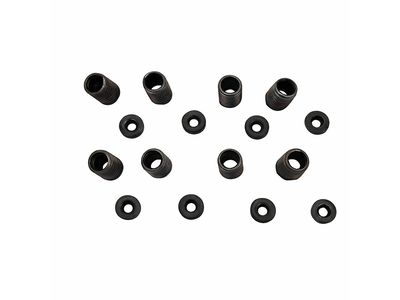
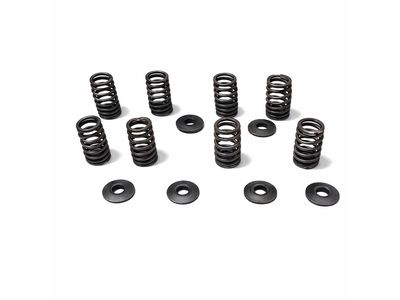
Mazda Protege Valve Springs Part Number: ZL01-12-125
$4.39 MSRP: $5.85You Save: $1.46 (25%)
Mazda Protege Valve Springs Part Number: BP2Y-12-125A
$12.96 MSRP: $17.29You Save: $4.33 (26%)Ships in 1-2 Business Days
Mazda Protege Valve Springs Part Number: BP05-12-125
$12.15 MSRP: $16.20You Save: $4.05 (25%)Ships in 1-2 Business Days
Mazda Protege Valve Springs Part Number: B541-12-125
$10.83 MSRP: $14.43You Save: $3.60 (25%)Ships in 1-2 Business DaysMazda Protege Valve Springs Part Number: FS01-12-125
Mazda Protege Valve Spring
Looking for Valve Spring with proven quality? Choose OEM Valve Spring. Mazda designs and builds them to strict factory specs. Every piece goes through rigorous quality checks. You'll get parts that fit right and work like new. Shop our huge inventory of OEM Mazda Protege parts. Enjoy the highly competitive prices online. Our site is your one-stop shop. Each genuine Protege part includes a manufacturer's warranty. Buy with confidence. Our return policy is simple and hassle-free. In a rush? Choose expedited delivery at checkout. You'll love the streamlined experience from search to checkout to receiving your order.
Mazda Protege Valve Spring Parts and Q&A
- Q: Can broken Valve Spring, Valve Spring Retainer and Valve Stem Oil Seal be replaced without removing the cylinder head on Mazda Protege?A:Replacement of broken valve springs and faulty valve stem seals can be done without the necessity to remove the Cylinder Head, and usually necessitates two special tools and a source of compressed air. In case of non availability of compressed air a piece of nylon rope may be employed to ensure the valves do not fall into the cylinder. Start by taking the Camshaft(s) and Valve Lifters off the faulty valves, and store the lifters in the correct sequence so to re-fit. Take off spark plug of the affected cylinder and in case all the valve stem seals are to be replaced remove all spark plugs. Turn the crankshaft (referred to as crankshaft revolution) until the piston in the damaged cylinder reaches Top Dead Center during the compression stroke, and then move on to the next cylinder in the firing order. Insert an adapter into the spark plug hole and fit an air hose with a compressed air source and spray the compressed air to make the valves stay put. When it is nylon rope, the piston should be positioned at about 45 degrees before TDC, and the rope inserted into the combustion chamber and turned until slight resistance is felt. Insert stuffy shop rags in any holes on the cylinder head to ensure that parts do not fall in the engine and then compress the spring with a valve spring compressor to take out the keepers. Installation: Take out the spring retainer and valve spring with a mark on the upper end of the valve spring. Measure the depth till the upper side of the valve stem oil seal and strip. Tape or wrap a rubber band round the top of the valve stem to ensure that the stem does not fall off and then remove the air pressure. Check the valve spring and stem, and there must be none bound in the guide. Repeat air pressure to hold the valve in the closed position, and lubricate the value stem, and place a new oil seal, taking depth of installed as needed. Install the spring on the top of the valve making sure that it is placed properly and the valve spring retainer goes on and the spring is compressed to install the keepers. Take the spring tool off the pressure, making sure that the keepers are in place and the air hose is disconnected and the adapter removed. Lastly, install the camshaft(s) and the other components in the reverse order and start the engine to determine the presence of oil leakages or abnormal noises.
Related Mazda Protege Parts
 Mazda Protege Oil Filter
 Mazda Protege Oil Pump
 Mazda Protege Timing Belt
 Mazda Protege Oil Pan Gasket
 Mazda Protege Cam Gear
 Mazda Protege Crankshaft Gear
 Mazda Protege Crankshaft Thrust Washer
 Mazda Protege Exhaust Valve
 Mazda Protege Oil Pump Rotor Set
 Mazda Protege Rocker Arm
 Mazda Protege Rod Bearing
 Mazda Protege Valve Spring Retainer