×
- Hello
- Login or Register
- Quick Links
- Live Chat
- Track Order
- Parts Availability
- RMA
- Help Center
- Contact Us
- Shop for
- Mazda Parts

My Garage
My Account
Cart
Genuine Mazda RX-7 Thermostat
Engine Coolant Thermostat- Select Vehicle by Model
- Select Vehicle by VIN
Select Vehicle by Model
orMake
Model
Year
Select Vehicle by VIN
For the most accurate results, select vehicle by your VIN (Vehicle Identification Number).
3 Thermostats found
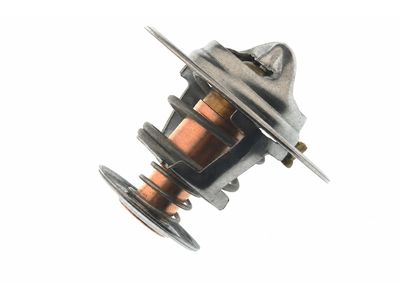
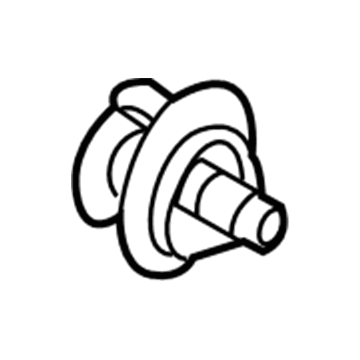
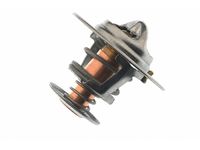
Mazda RX-7 Thermostat Part Number: 8AF1-15-171-9U
$20.35 MSRP: $27.14You Save: $6.79 (26%)Ships in 1-2 Business DaysMazda RX-7 Thermostat Part Number: 8AF6-15-171
$24.25 MSRP: $32.34You Save: $8.09 (26%)Ships in 1-2 Business DaysMazda RX-7 Thermostat Part Number: 8553-99-152
$25.98 MSRP: $34.63You Save: $8.65 (25%)Ships in 1-2 Business Days
Mazda RX-7 Thermostat
Looking for Thermostat with proven quality? Choose OEM Thermostat. Mazda designs and builds them to strict factory specs. Every piece goes through rigorous quality checks. You'll get parts that fit right and work like new. Shop our huge inventory of OEM Mazda RX-7 parts. Enjoy the highly competitive prices online. Our site is your one-stop shop. Each genuine RX-7 part includes a manufacturer's warranty. Buy with confidence. Our return policy is simple and hassle-free. In a rush? Choose expedited delivery at checkout. You'll love the streamlined experience from search to checkout to receiving your order.
Mazda RX-7 Thermostat Parts and Q&A
- Q:How to test the opening temperature and lift height of a thermostat on Mazda RX-7?A:Immense the thermostat in a water container and a thermometer must be present in the water. Slowly warm the container in a hot place and watch the temperature at which the thermostat opens the first. Keep the heating going, and monitor the temperature as the thermostat is completely opened. Lift the thermostat completely open out of the hot water using a bent coat hanger or some other device and measure the lift height. The thermostat must begin to open at around 180°C (82°C) with a 2.7°C (1.5°C) tolerance and be completely opened at 203°C (95°C). Lift height of the thermostat must be between 0.3 to 0.4 inches (8 to 10 mm). In case of non-completion of any specifications, change thermostat with another. Also, in case the thermostat is completely open when it leaves the car, it has to be changed.
- Q:Where is the thermostat located and how does it regulate the cooling system on Mazda RX-7?A:Thermostat is situated in front of the engine, it is placed in a housing, right behind the alternator, and it acts as a regulator of the cooling system to ensure that the engine does not run too slow or overheat. When operating correctly the temperature indicator must rapidly reach the normal setting and stay there, and only surpass the normal reading in unusual heat. The thermostat may require replacement or have to be checked in cases where the engine fails to attain normal temperatures or overheats. First unhook the negative battery cable, then unhook the air cleaner assembly and its hoses and be careful to note the lock nut and wing nut. Drain the cooling system by unattaching the lower Radiator hose and then attaching it back after draining it. It is possible to unclip the main engine wiring loom at the alternator and access the thermostat housing. Unscrew the bolt that holds the metal vacuum line to the air cleaner bracket, unscrew the upper radiator hose and unscrew the nut that holds the air cleaner bracket to the thermostat housing. Second, take out the nuts, lock washers and flat washers on both sides of the thermostat housing and then take off the housing on the mounting stud. Record the position of the thermostat before removing it, then be careful not to spoil the mating surfaces of the housing and Water Pump before installing. Install the thermostat facing the jiggle pin that is upwards, use a new gasket with silicone sealer on both sides and put the housing on top of the stud and thermostat. Install the mounting nut and bolt, loosely install the air cleaner bracket and securing bolt of the metal vacuum hose. Once more connect the upper radiator hose, clamps, reconnect wiring loom to its clip, and the air cleaner assembly and hoses, moving the front bracket and metal vacuum hose. Lastly, screw the bracket of the front air cleaner on, make sure that the both radiator hoses are in place, add soft water and antifreeze (50/50) into the radiator, reconnect the negative battery cable, and take the engine on a test run to ensure that there are no leaks.
Related Mazda RX-7 Parts
 Mazda RX-7 Radiator
 Mazda RX-7 Water Pump
 Mazda RX-7 Coolant Level Sensor
 Mazda RX-7 Coolant Pipe
 Mazda RX-7 Coolant Reservoir
 Mazda RX-7 Cooling Fan Assembly
 Mazda RX-7 Fan Motor
 Mazda RX-7 Oil Cooler Hose
 Mazda RX-7 Radiator Cap
 Mazda RX-7 Radiator Hose
 Mazda RX-7 Thermostat Housing
 Mazda RX-7 Water Hose