×
- Hello
- Login or Register
- Quick Links
- Live Chat
- Track Order
- Parts Availability
- RMA
- Help Center
- Contact Us
- Shop for
- Mazda Parts

My Garage
My Account
Cart
Genuine Mazda Tribute Oxygen Sensor
Oxygen O2 Sensor- Select Vehicle by Model
- Select Vehicle by VIN
Select Vehicle by Model
orMake
Model
Year
Select Vehicle by VIN
For the most accurate results, select vehicle by your VIN (Vehicle Identification Number).
14 Oxygen Sensors found
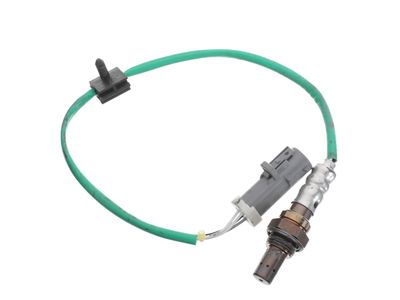
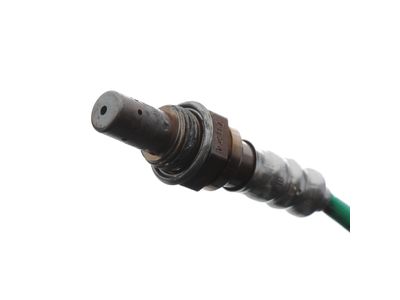
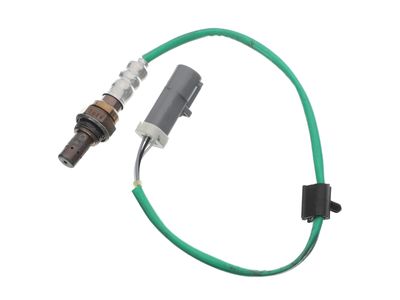
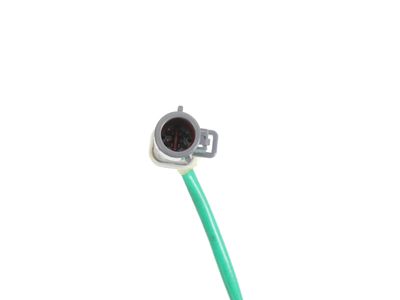
Mazda Tribute Oxygen Sensor Part Number: AJ03-18-861D
$68.81 MSRP: $91.77You Save: $22.96 (26%)Ships in 1-2 Business Days
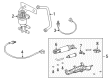
Mazda Tribute Oxygen Sensor Part Number: ZZC0-18-860
$67.55 MSRP: $90.09You Save: $22.54 (26%)
Mazda Tribute Upper Oxygen Sensor Part Number: ZZDM-18-861
$116.13 MSRP: $154.87You Save: $38.74 (26%)
Mazda Tribute Oxygen Sensor Part Number: ZZCB-18-860
$55.29 MSRP: $73.74You Save: $18.45 (26%)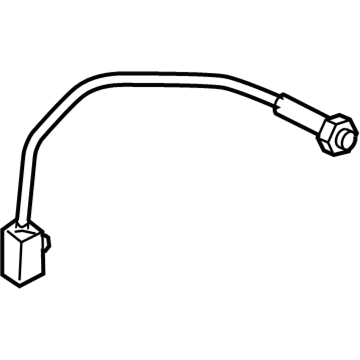
Mazda Tribute Oxygen Sensor Part Number: ZZC4-18-861
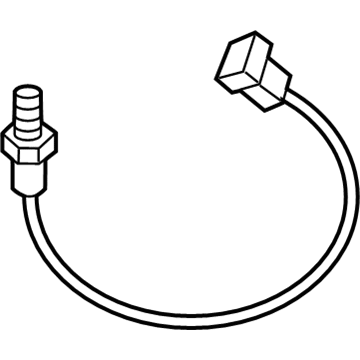
Mazda Tribute Front Oxygen Sensor Part Number: ZZDL-18-861
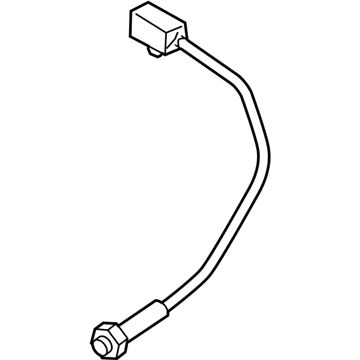
Mazda Tribute Oxygen Sensor Part Number: ZZDA-18-861
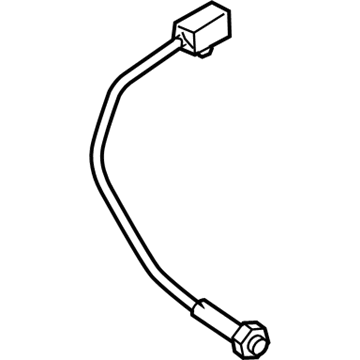
Mazda Tribute Oxygen Sensor Part Number: ZZD1-18-860
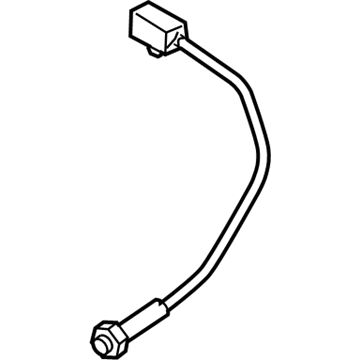
Mazda Tribute Oxygen Sensor Part Number: ZZC3-18-861
Mazda Tribute Oxygen Sensor Part Number: ZZC3-18-860
Mazda Tribute Oxygen Sensor Part Number: AJ06-18-861D
Mazda Tribute Oxygen Sensor Part Number: AJ05-18-861B
Mazda Tribute Oxygen Sensor Part Number: AJ04-18-861B

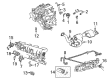
Mazda Tribute Oxygen Sensor Part Number: 1F20-18-860A
Mazda Tribute Oxygen Sensor
Looking for Oxygen Sensor with proven quality? Choose OEM Oxygen Sensor. Mazda designs and builds them to strict factory specs. Every piece goes through rigorous quality checks. You'll get parts that fit right and work like new. Shop our huge inventory of OEM Mazda Tribute parts. Enjoy the highly competitive prices online. Our site is your one-stop shop. Each genuine Tribute part includes a manufacturer's warranty. Buy with confidence. Our return policy is simple and hassle-free. In a rush? Choose expedited delivery at checkout. You'll love the streamlined experience from search to checkout to receiving your order.
Mazda Tribute Oxygen Sensor Parts and Q&A
- Q:What is the function of an oxygen sensor in relation to the Powertrain Control Module and catalytic converter performance on Mazda Tribute?A:An oxygen sensor is a galvanic battery that produces a low voltage as a response to the amount of oxygen in exhaust gases and supplies necessary input to the feedback loop with the Powertrain Control Module (PCM) to keep the optimal air/ fuel ratio of 14.7: 1 to achieve optimum Catalytic Converter operation. Car models with On-Board Diagnostics II (OBD-II) have two oxygen sensors (pre- and post-catalytic) that measure the efficiency of the converter by measuring the concentration of oxygen in the exhaust gases. In four-cylinder models, there is normally one upstream and one downstream, Catalyst Monitor Sensor, whilst in V6 there are more than one upstream sensors and one downstream catalysts. All oxygen sensors are also heated in order to increase the time taken to warm them and any mishandling during service should be avoided when attaching the pigtail permanently and the electrical connector permanently and also to prevent any contaminant coming in contact with the sensor. When changing an oxygen sensor, one may recommend warming the engine to facilitate the removal, use of anti-seize compound on the thread, in case of reusing an old one, and proper installation and torque. Once the battery has been reconnected the PCM will need to relearn its idle and fuel trim strategy to achieve maximum performance.
Related Mazda Tribute Parts
 Mazda Tribute Coolant Temperature Sensor
 Mazda Tribute Neutral Safety Switch
 Mazda Tribute Starter Relay
 Mazda Tribute Throttle Position Sensor
 Mazda Tribute Back Up Light Switch
 Mazda Tribute Camshaft Position Sensor
 Mazda Tribute Crankshaft Position Sensor
 Mazda Tribute Engine Control Module
 Mazda Tribute Fuel Tank Vent Valve
 Mazda Tribute Knock Sensor
 Mazda Tribute Mass Air Flow Sensor
 Mazda Tribute Temperature Sender
Browse by Year
2011 Oxygen Sensor
2010 Oxygen Sensor
2009 Oxygen Sensor
2008 Oxygen Sensor
2006 Oxygen Sensor
2005 Oxygen Sensor
2004 Oxygen Sensor
2003 Oxygen Sensor
2002 Oxygen Sensor
2001 Oxygen Sensor