×
- Hello
- Login or Register
- Quick Links
- Live Chat
- Track Order
- Parts Availability
- RMA
- Help Center
- Contact Us
- Shop for
- Mazda Parts

My Garage
My Account
Cart
Genuine 1989 Mazda 929 Shock Absorber
Suspension Shock Absorber- Select Vehicle by Model
- Select Vehicle by VIN
Select Vehicle by Model
orMake
Model
Year
Select Vehicle by VIN
For the most accurate results, select vehicle by your VIN (Vehicle Identification Number).
4 Shock Absorbers found

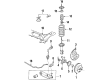
1989 Mazda 929 Strut Part Number: H28034700F
Product Specifications- Other Name: Damper Right, Front; Shock Absorber
- Position: Passenger Side
- Item Weight: 13.10 Pounds
- Condition: New
- Fitment Type: Direct Replacement
- SKU: H28034700F
- Warranty: This genuine part is guaranteed by Mazda's factory warranty.
1989 Mazda 929 Shock Absorber Part Number: H28034900F
Product Specifications- Other Name: Damper Left, Front
- Position: Driver Side
- Item Weight: 12.00 Pounds
- Condition: New
- Fitment Type: Direct Replacement
- SKU: H28034900F
- Warranty: This genuine part is guaranteed by Mazda's factory warranty.
1989 Mazda 929 Strut Part Number: HF45-34-700B
Product Specifications- Other Name: Damper Right, Front; Shock Absorber
- Position: Passenger Side
- Item Weight: 11.20 Pounds
- Condition: New
- Fitment Type: Direct Replacement
- SKU: HF45-34-700B
- Warranty: This genuine part is guaranteed by Mazda's factory warranty.
1989 Mazda 929 Shock Absorber Part Number: HF45-34-900B
Product Specifications- Other Name: Damper Left, Front
- Position: Driver Side
- Item Weight: 11.00 Pounds
- Condition: New
- Fitment Type: Direct Replacement
- SKU: HF45-34-900B
- Warranty: This genuine part is guaranteed by Mazda's factory warranty.
1989 Mazda 929 Shock Absorber Parts and Q&A
- Q: How to remove and install the rear shock absorbers on 1989 Mazda 929?A: To install and remove the rear shock absorbers of different vehicle models, then, first, lift the rear of the vehicle and off the wheels. On the Rear Wheel Drive GLC, unscrew the upper shock absorber bolt to the fender well and lower shock bolt and nut then unscrew the shock. Apply support to the lower arm of control by using a jack to take away the spring pressure and then take out the rear spring. The opposite is installation whereby the pivot bolt is tightened to 47-59 ft. lbs. In the case of the Front Wheel Drive GLC, to remove the side trim panels, loosen the top mounting nuts as well as detach the flexible brake hose and trailing arm to the strut. Once the strut assembly has been removed, compress the coil spring, and then remove the top nut and bracket. Assemble by tightening the mountings to the right extent. In the case of the 1979-82 626, rear lift should be performed and wheel removed by loosening the shock absorber and with care of torques the upper and lower bracket bolts. The 1983-87 626 also needs such steps and one of them is to be careful of the shock in case of spring pressure. In the case of the 1988-89 626 and MX-6, remove the shock assembly and disconnect the required components with the correct torque requirements being considered when replacing the shock assembly. The 323 model will be to compress the coil spring and make sure it is seated properly when installing. The 929 model follows the same process, which involves connecting the actuating unit of the AAS. In the case of the RX-7 models, it will be to do away with the rear wheels, unscrew the shock mounts, and make sure that the correct torque requirements are met during re-attachments. Lastly, test the bouncing of the shock absorbers and make sure that the vehicle does not bounce any longer upon one or two movements, which means that the shock absorbers are working as expected.
Related 1989 Mazda 929 Parts
 1989 Mazda 929 Automatic Transmission Seal
 1989 Mazda 929 Door Lock
 1989 Mazda 929 Oxygen Sensor
 1989 Mazda 929 Ring And Pinion
 1989 Mazda 929 Steering Knuckle