×
- Hello
- Login or Register
- Quick Links
- Live Chat
- Track Order
- Parts Availability
- RMA
- Help Center
- Contact Us
- Shop for
- Mazda Parts

My Garage
My Account
Cart
Genuine Mazda 3 Oil Filter
Engine Oil filter- Select Vehicle by Model
- Select Vehicle by VIN
Select Vehicle by Model
orMake
Model
Year
Select Vehicle by VIN
For the most accurate results, select vehicle by your VIN (Vehicle Identification Number).
7 Oil Filters found
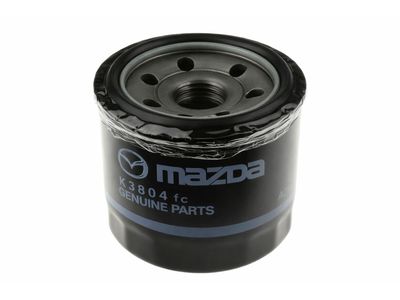
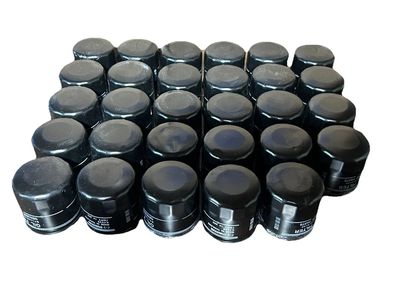
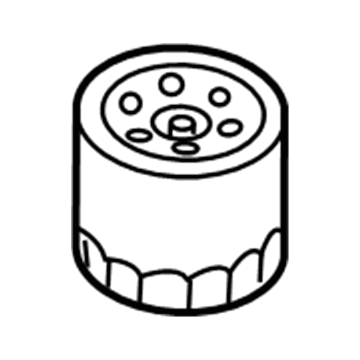
Mazda 3 Oil Filter Part Number: 1WPE-14-302
$11.76 MSRP: $15.69You Save: $3.93 (26%)Ships in 1-2 Business Days
Mazda 3 Filter Part Number: LF05-14-302B
$8.94 MSRP: $11.92You Save: $2.98 (25%)Ships in 1-2 Business Days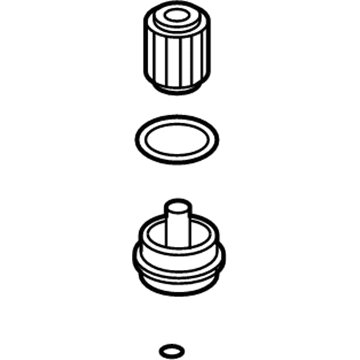
Mazda 3 Element Part Number: L321-14-302A-9U
$9.34 MSRP: $12.45You Save: $3.11 (25%)Ships in 1-2 Business Days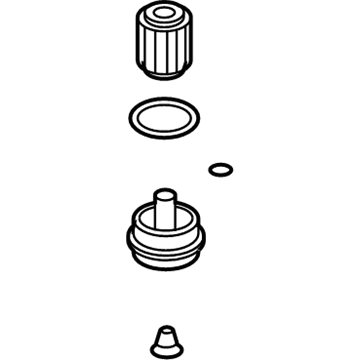
Mazda 3 Oil Filter Part Number: L321-14-300A-9U
$22.66 MSRP: $30.22You Save: $7.56 (26%)Ships in 1-2 Business Days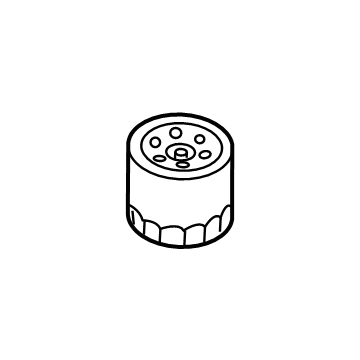
Mazda 3 Oil Filter, VPM (Turbo) Part Number: PY8W-14-302A-MV
$9.28 MSRP: $12.37You Save: $3.09 (25%)Ships in 1-2 Business Days
Mazda 3 Filter Part Number: ZJ50-14-3X2
$7.06 MSRP: $9.41You Save: $2.35 (25%)
Mazda 3 Filter Part Number: L3G2-14-3X2A
$9.36 MSRP: $12.48You Save: $3.12 (25%)Ships in 1-2 Business Days
Mazda 3 Oil Filter
Mazda 3 Oil Filter ensures that the engine oil does not pass contaminants and as a result the motor in this small car remains as smooth as it is between the intervals of service. The primary task of the Oil Filter is to trap dirt, flakes of metal, and sludge and at the same time allow pressurized oil to flow freely through the passages. To accomplish this Mazda selects filter media that is composed of tightly packed cellulose, synthetic fibers or a composite layer that is able to capture up to 99 percent of the particles before changing the filter. The canister contains a spring-loaded relief valve to open in the event of oil becoming too thick, and an anti-drainback flap to prevent drain during the night to ensure bearings are never starved at start-up. The majority of production car models, this one included, are based on full-flow design which filters all the drops in real time, but a bypass line may be included to further polish oil lines. Throughout the life of the Mazda 3 model, two styles have emerged the older disposable spin-on can and the newer eco-friendly cartridge which fits within a reusable housing, and the Oil Filter styles have the same objectives of waste cutting while metal flow is retained. Drivers that fasten large pumps or use heavy racing mixes are likely to swell a fragile unit, making it drop pressure and touch metal. By simply following the right Mazda filter and replacing it properly, the 2-liter engine and the 2.5-liter engine will continue to work thousands of miles without grit grinding important components.
Looking for Oil Filter with proven quality? Choose OEM Oil Filter. Mazda designs and builds them to strict factory specs. Every piece goes through rigorous quality checks. You'll get parts that fit right and work like new. Shop our huge inventory of OEM Mazda 3 parts. Enjoy the highly competitive prices online. Our site is your one-stop shop. Each genuine 3 part includes a manufacturer's warranty. Buy with confidence. Our return policy is simple and hassle-free. In a rush? Choose expedited delivery at checkout. You'll love the streamlined experience from search to checkout to receiving your order.
Mazda 3 Oil Filter Parts and Q&A
- Q:How does the oil filter impact the importance of frequent oil changes for preventive maintenance on Mazda 3?A:Preventive maintenance is essential and this is achieved by frequent replacement of oil as old engine oil is dilute and contaminated thus causing early wear of the engine. Preparations Before positioning the tractor, you require some equipment such as a shallow drain pan, rubber gloves to help avoid burning your hands with oil, a breaker bar to fit the drain plug, a socket to fit the drain plug, and a filter wrench to fit the type of oil filter. It is also good to have rags, or newspapers to spill on. The oil drain plug and filter are more easily reached in case the vehicle is hoisted, ramped up or resting on jackstands. In the event of not being familiar with the vehicle, find the oil drain plug and filter taking care of hot exhaust parts. Turn on the engine to heat the oil to be drained easily and then leave the engine in a level parking place and take off the oil filler cap. Get the vehicle on jackstands and take off the bottom engine cover. The drain pan must be placed beneath the plug of the drain and the plug must be removed with the proper tool with the wear gloves to prevent burns of the hot oil. When the oil drains, check it with metal particles and remove the drain plug and clean the drain area and replace and screw it back. In the case of a cartridge type filter, place the drain pan under the cover of the oil filter, unscrew the cover and the drain plug and then the oil will drain off and then the filter and the cover can be removed. Make sure to remove the old O-ring and match the old and new filter with each other and always lubricate the new O-ring using clean engine oil before fitting. In the case of canister-type filters, it is necessary to place the drain pan, loosen the filter and clean the mounting surface, leaving no residual old gasket. Installation of new filter is done by hand with tightening. Once all the tools are removed, the vehicle is lowered; add new oil using a funnel via the filler cap, scan the level on the dipstick and make sure that it is within the acceptable range. Turn on the engine and test the leakage, tightening the leaking parts, where needed. Check the level of oil after a couple of minutes and top up oil where necessary keeping watch of the leakages and appropriate oil levels during the first journeys after changing the oil. Discarding the old oil in an unacceptable manner, but ensuring that it is recycled in a suitable facility.

Related Mazda 3 Parts
 Mazda 3 Valve Cover Gasket
 Mazda 3 Crankshaft
 Mazda 3 Balance Shaft Chain
 Mazda 3 Crankshaft Gear
 Mazda 3 Crankshaft Thrust Washer
 Mazda 3 Crankshaft Timing Gear
 Mazda 3 Exhaust Valve
 Mazda 3 Intake Valve
 Mazda 3 Oil Pan Baffle
 Mazda 3 Piston Ring Set
 Mazda 3 Valve Spring Retainer
 Mazda 3 Variable Timing Solenoid
Browse by Year
2025 Oil Filter 2024 Oil Filter 2023 Oil Filter 2022 Oil Filter 2021 Oil Filter 2020 Oil Filter 2019 Oil Filter 2018 Oil Filter 2017 Oil Filter 2016 Oil Filter 2015 Oil Filter 2014 Oil Filter 2013 Oil Filter 2012 Oil Filter 2011 Oil Filter 2010 Oil Filter 2009 Oil Filter 2008 Oil Filter 2007 Oil Filter 2006 Oil Filter 2005 Oil Filter 2004 Oil Filter