×
- Hello
- Login or Register
- Quick Links
- Live Chat
- Track Order
- Parts Availability
- RMA
- Help Center
- Contact Us
- Shop for
- Mazda Parts

My Garage
My Account
Cart
Genuine Mazda Millenia Brake Hose
Brake Line- Select Vehicle by Model
- Select Vehicle by VIN
Select Vehicle by Model
orMake
Model
Year
Select Vehicle by VIN
For the most accurate results, select vehicle by your VIN (Vehicle Identification Number).
5 Brake Hoses found
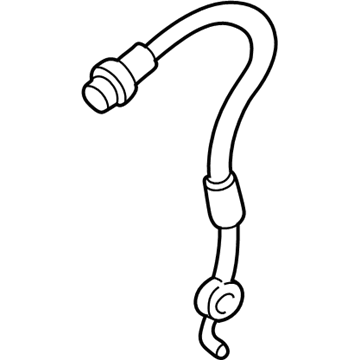
Mazda Millenia Flex Hose Part Number: TA01-43-810A
$8.75 MSRP: $66.55You Save: $57.80 (87%)Ships in 1-2 Business Days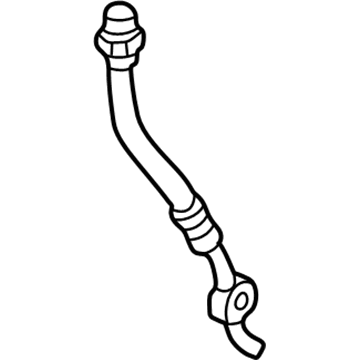
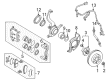
Mazda Millenia Brake Hose Part Number: T006-43-980A
$71.76 MSRP: $95.71You Save: $23.95 (26%)Ships in 1-2 Business DaysMazda Millenia Brake Hose Part Number: T006-43-990A
$44.59 MSRP: $58.53You Save: $13.94 (24%)Ships in 1-2 Business DaysMazda Millenia Flex Hose Part Number: TA01-43-990A
$12.20 MSRP: $16.02You Save: $3.82 (24%)Ships in 1-2 Business DaysMazda Millenia Flex Hose Part Number: TA01-43-980A
Mazda Millenia Brake Hose
Looking for Brake Hose with proven quality? Choose OEM Brake Hose. Mazda designs and builds them to strict factory specs. Every piece goes through rigorous quality checks. You'll get parts that fit right and work like new. Shop our huge inventory of OEM Mazda Millenia parts. Enjoy the highly competitive prices online. Our site is your one-stop shop. Each genuine Millenia part includes a manufacturer's warranty. Buy with confidence. Our return policy is simple and hassle-free. In a rush? Choose expedited delivery at checkout. You'll love the streamlined experience from search to checkout to receiving your order.
Mazda Millenia Brake Hose Parts and Q&A
- Q: Should metal lines and rubber brake hoses be checked frequently for leaks and external damage on Mazda Millenia?A:The leaks and external damage of metal lines and rubber brake hoses must be inspected regularly because, especially, it is possible to consider metal lines that can crush and kink under the vehicle and limit the flow of fluid and weaken the braking. Rubber hoses should be checked against cracking or scraping because this may cause weak spots, which might require failure during pressurizing. Where lines are pulled out or cut off great cleanliness is needed: the joints and connection must be cleaned prior to disassembly, and the lines and ports must be plugged directly after opening. Brake fluid should be sprayed into the new lines and hoses to cleanse them. In order to take out a line or hose, unplug the negative battery cable, lift and prop the vehicle and take out any wheel and tire assembly needed to do so. Wipe around the joints and have a catch pan on the ground then with two wrenches, disconnect the hose or line taking care not to use a decent one and leave a back-up wrench to avoid damaging the fittings. Retaining clips or brackets must be pulled off and in case brake system is kept open, tape or plug stuck some of the remaining clips and ports to ensure that nothing gets into them. To install, beginning with the one farthest away, both fittings should be threaded properly; the new line should not be rubbing against any other components, and a distance of at least 1/2 inch should exist between the steering column and moving components. Install all the fittings fully with two wrenches, replace any retaining clips or brackets, reassemble the wheel and tire packages, reassemble the vehicle to the ground, refill brake master cylinder reservoir with clean brake oil to DOT 3 specifications, bleed the brake system properly and reattach the negative battery cable.