×
- Hello
- Login or Register
- Quick Links
- Live Chat
- Track Order
- Parts Availability
- RMA
- Help Center
- Contact Us
- Shop for
- Mazda Parts

My Garage
My Account
Cart
Genuine Mazda Protege Crankshaft Seal
- Select Vehicle by Model
- Select Vehicle by VIN
Select Vehicle by Model
orMake
Model
Year
Select Vehicle by VIN
For the most accurate results, select vehicle by your VIN (Vehicle Identification Number).
2 Crankshaft Seals found
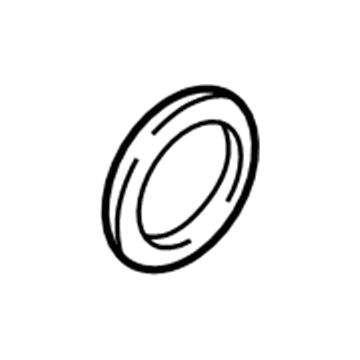
Mazda Protege Rear Main Seal Part Number: BP05-11-312
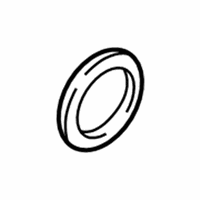
$33.49 MSRP: $44.65You Save: $11.16 (25%)Ships in 1-2 Business DaysMazda Protege Rear Main Seal Part Number: FS01-11-399
$36.85 MSRP: $49.14You Save: $12.29 (26%)Ships in 1-2 Business Days
Mazda Protege Crankshaft Seal
Looking for Crankshaft Seal with proven quality? Choose OEM Crankshaft Seal. Mazda designs and builds them to strict factory specs. Every piece goes through rigorous quality checks. You'll get parts that fit right and work like new. Shop our huge inventory of OEM Mazda Protege parts. Enjoy the highly competitive prices online. Our site is your one-stop shop. Each genuine Protege part includes a manufacturer's warranty. Buy with confidence. Our return policy is simple and hassle-free. In a rush? Choose expedited delivery at checkout. You'll love the streamlined experience from search to checkout to receiving your order.
Mazda Protege Crankshaft Seal Parts and Q&A
- Q:How can the crankshaft seal be installed to prevent oil leaks on Mazda Protege?A:Crankshaft should be first attached and then main bearing caps boled on and then new seal attached in the retainer and retainer clamped to the block. Close inspection of the seal contact surface on the crankshaft is necessary to ensure there is no scratches or nicks that may destroy the new seal lip and cause leakage of oil; the crankshaft may also be damaged and therefore it will require a new crankshaft or a different one. The retainer can be cleared of the old seal by beating it out of the reverse with a hammer and a punch which must be remembered to support the retainer on wood blocks and how deep the old seal is cut into the bore in order to fit the new seal correctly. The retainer must be clean, and a thick coating of the engine oil must be applied on the outer edge of the new seal, which must be pressed firmly into the bore, otherwise a press cannot be had, the housing and seal may be clamped between two smooth pieces of wood, and pressed firmly into place by a large vise, taking care to evenly distribute the pressure. When last but not least, the seal may be drilled into the retainer with a hammer by setting up a block of wood to spread the force in all directions ensuring the seal is firmly pushed in. The seal lips should be lubricated with clean engine oil or multipurpose grease before sliding the seal/retainer around the crankshaft and bolting it to the block using new gasket and the bolts should be tightened to required torque in stages.
Related Mazda Protege Parts
 Mazda Protege Belt Tensioner
 Mazda Protege Engine Mount
 Mazda Protege Oil Drain Plug
 Mazda Protege Camshaft Seal
 Mazda Protege Crankshaft Timing Gear
 Mazda Protege Dipstick
 Mazda Protege Dipstick Tube
 Mazda Protege Engine Cover
 Mazda Protege Intake Valve
 Mazda Protege Piston Ring Set
 Mazda Protege Timing Chain
 Mazda Protege Timing Cover Gasket