×
- Hello
- Login or Register
- Quick Links
- Live Chat
- Track Order
- Parts Availability
- RMA
- Help Center
- Contact Us
- Shop for
- Mazda Parts

My Garage
My Account
Cart
Genuine Mazda Protege Drive Belt
Serpentine Belt- Select Vehicle by Model
- Select Vehicle by VIN
Select Vehicle by Model
orMake
Model
Year
Select Vehicle by VIN
For the most accurate results, select vehicle by your VIN (Vehicle Identification Number).
10 Drive Belts found
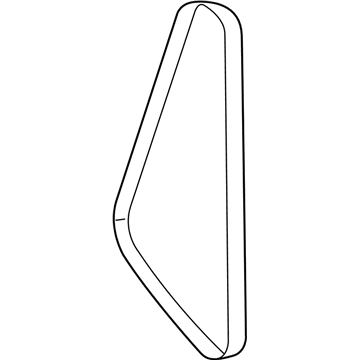
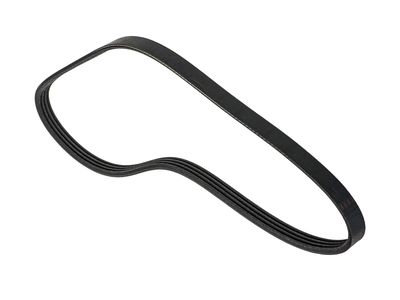
Mazda Protege Alternator Belt Part Number: B6BF-18-381
$19.80 MSRP: $26.40You Save: $6.60 (25%)Ships in 1-2 Business Days
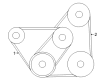
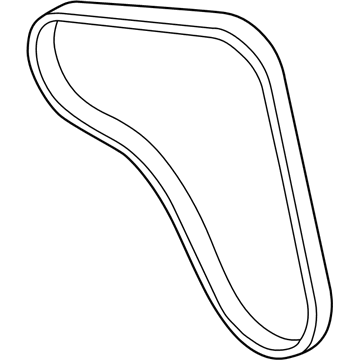
Mazda Protege Alternator Belt Part Number: FSJ2-18-381
$15.80 MSRP: $21.07You Save: $5.27 (26%)Ships in 1-2 Business Days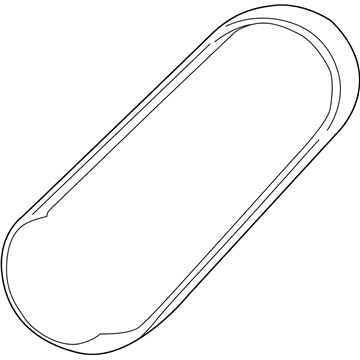
Mazda Protege Power Steering Belt Part Number: ZL01-15-907
$20.90 MSRP: $27.87You Save: $6.97 (26%)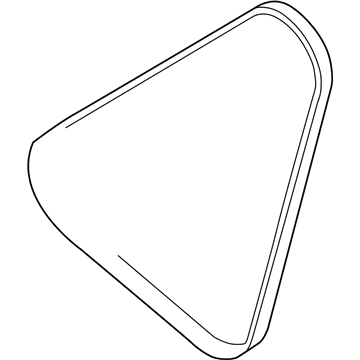
Mazda Protege Power Steering Belt Part Number: FS05-15-907
$20.90 MSRP: $27.87You Save: $6.97 (26%)Ships in 1-2 Business Days
Mazda Protege Belt Part Number: B660-15-908
$20.86 MSRP: $27.82You Save: $6.96 (26%)Ships in 1-2 Business DaysMazda Protege Alternator Belt Part Number: B61H-18-381A-9U
$24.74 MSRP: $33.00You Save: $8.26 (26%)Ships in 1-2 Business Days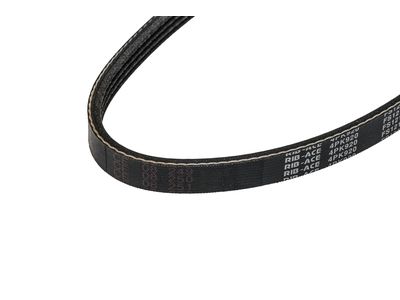
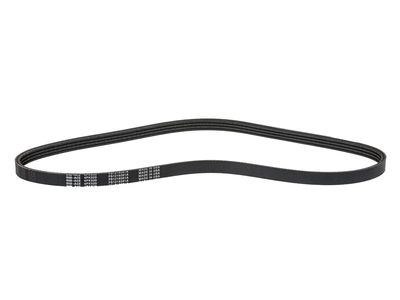
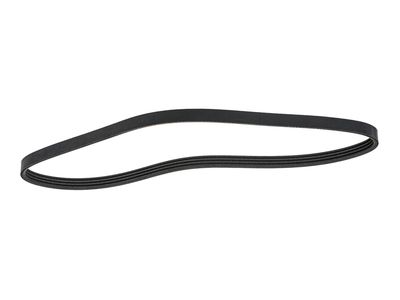
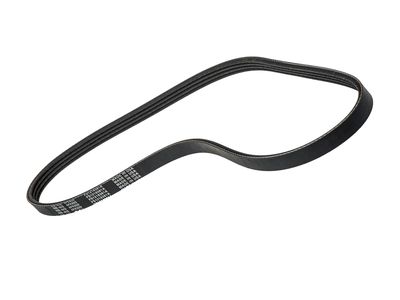
Mazda Protege Alternator Belt Part Number: FS12-18-381A
Mazda Protege Power Steering Belt Part Number: Z502-15-909
Mazda Protege Drive Belt Part Number: FS12-15-909A
Mazda Protege A/C Belt Part Number: B6S7-15-909
Mazda Protege Drive Belt
Looking for Drive Belt with proven quality? Choose OEM Drive Belt. Mazda designs and builds them to strict factory specs. Every piece goes through rigorous quality checks. You'll get parts that fit right and work like new. Shop our huge inventory of OEM Mazda Protege parts. Enjoy the highly competitive prices online. Our site is your one-stop shop. Each genuine Protege part includes a manufacturer's warranty. Buy with confidence. Our return policy is simple and hassle-free. In a rush? Choose expedited delivery at checkout. You'll love the streamlined experience from search to checkout to receiving your order.
Mazda Protege Drive Belt Parts and Q&A
- Q:How should the alternator/water pump and power steering pump/air conditioning compressor drive belts be inspected and maintained on Mazda Protege?A:The alternator/ water pump and power steering pump/ air conditioning compressor drive belts are at the front of the engine and require periodical inspection as they tend to stretch and wear with age which is important in running the engine. Power steering cars and cars with air conditioning have the second drive belt serving these accessories, and they are located outboard of the alternator/water pump drive belt on the crankshaft pulley. In order to check the belts, open the hood when the engine is off and visually inspect the belts to check to see whether they are cracking or fraying, to check whether they are separated, torn and glazed and also; ensure that both sides are checked by twisting the belt and checking whether there is a problem. In case of any issues discovered, change of belt should be done. The deflection of the specified pulleys against moderate pressure between them helps to check the tension of the belts, and assess the deflection against the factory requirements of used or new belts. In case of any adjustment, loosen the alternator mounting bolt and adjusting bolt, then pull the alternator away off the engine to tighten the belt, then tighten the bolts and again measure deflection. In the case of the power steering pump belt, loosen the securing bolt and lock nuts, change the tension by positioning the adjusting bolt and tighten everything again. In cars that have no power steering but have air conditioning, the idler pulley is used to tighten the drive belt. To change a belt, loosen it to be large enough to remove it off the crankshaft pulley, the alternator/water pump belt might need the power steering or air conditioning belt removed first. Both belts should be changed together since they wear out. Compare the old belts to the parts store and also make sure that the new belts fit well centering multi-ribbed belts on the pulleys. Lastly, set the drive belts.
Related Mazda Protege Parts
 Mazda Protege Water Pump
 Mazda Protege Coolant Reservoir
 Mazda Protege Coolant Pipe
 Mazda Protege Coolant Pipe Seal
 Mazda Protege Coolant Reservoir Cap
 Mazda Protege Cooling Hose
 Mazda Protege Fan Motor
 Mazda Protege Radiator fan
 Mazda Protege Thermostat Gasket
 Mazda Protege Water Hose
 Mazda Protege Water Pump Gasket
 Mazda Protege Water Pump Pulley