×
- Hello
- Login or Register
- Quick Links
- Live Chat
- Track Order
- Parts Availability
- RMA
- Help Center
- Contact Us
- Shop for
- Mazda Parts

My Garage
My Account
Cart
Genuine Mazda Protege Flywheel
Clutch Flywheel- Select Vehicle by Model
- Select Vehicle by VIN
Select Vehicle by Model
orMake
Model
Year
Select Vehicle by VIN
For the most accurate results, select vehicle by your VIN (Vehicle Identification Number).
7 Flywheels found

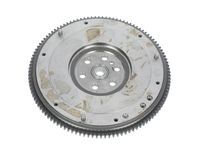
Mazda Protege Drive Plate Part Number: FN11-19-020A
$244.99 MSRP: $326.72You Save: $81.73 (26%)Ships in 1-2 Business Days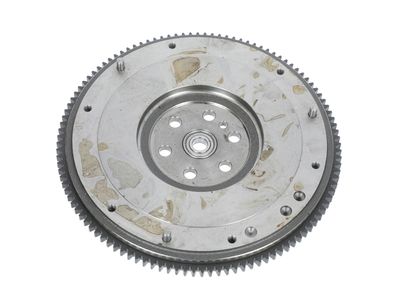
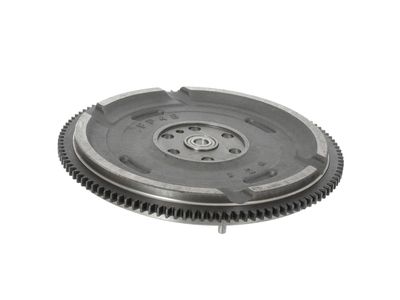
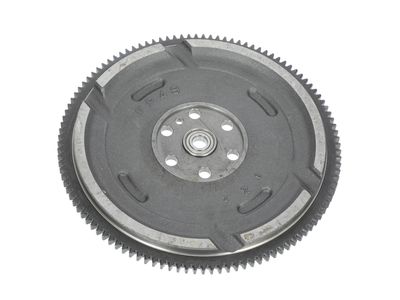
Mazda Protege Flywheel Part Number: FP49-11-500A
Mazda Protege Flywheel Part Number: ZL27-11-500A
Mazda Protege Drive Plate Part Number: FW35-19-020
Mazda Protege Flywheel Part Number: FS01-11-500A
Mazda Protege Flywheel Part Number: BP05-11-500A
Mazda Protege Flywheel Part Number: B6S7-11-500A
Mazda Protege Flywheel
Looking for Flywheel with proven quality? Choose OEM Flywheel. Mazda designs and builds them to strict factory specs. Every piece goes through rigorous quality checks. You'll get parts that fit right and work like new. Shop our huge inventory of OEM Mazda Protege parts. Enjoy the highly competitive prices online. Our site is your one-stop shop. Each genuine Protege part includes a manufacturer's warranty. Buy with confidence. Our return policy is simple and hassle-free. In a rush? Choose expedited delivery at checkout. You'll love the streamlined experience from search to checkout to receiving your order.
Mazda Protege Flywheel Parts and Q&A
- Q:How does the Flywheel function in the removal and reinstallation of a transaxle on Mazda Protege?A:In order to remove transaxle, it is important to first of all raise up the vehicle and secure it on jackstands. In the case of models which are equipped with a manual transaxle, remove the clutch cover and clutch disc, and may wish to check or replace the clutch parts and the pilot bearing. Make alignment marks on the flywheel/driveplate and crankshaft so that they can be positioned appropriately later on; this may also be made through the opening at the oil pan/transaxle housing area should one want. Then loosen the bolts that hold the flywheel/driveplate to the crankshaft, with a screwdriver to jam the flywheel as the crankshaft rotates. Cautiously remove the flywheel/driveplate and on the automatic transaxle, the driveplate backing plate and adapter also, remembering position of reinstallation. Hold the flywheel and snipe out the final bolt, then wipe the flywheel with a rag to get off grease and oil and inspect it checking for cracks, rivet grooves, burned, and score. Emery cloth can counter light scoring and broken and cracked teeth in ring gear should be examined. The flywheel should be placed on a flat surface to ensure it is not warped, and in case of doubt, they should be resurfaced at an auto machine shop. Clean and wipe off flywheel/driveplate and crankshaft mating surfaces, and remove crankshaft rear seal(s), which may be leaking, re-install. To install it, clean off any thread sealant that can be found in hole of crankshaft flywheel bolts and bolts and replace the bolts which cannot be cleansed completely. Install the flywheel or adapter, driveplate, and backing plate at the crankshaft and ensure they are aligned with the marks left in the process of removal. Use thread sealant to coat the threads of all except new bolts, and plunge a screwdriver in the ring gear teeth to help keep them stationary during tightening of the bolts in a criss-cross pattern to the final tightening in three or four steps. The rest of the installation is in the opposite sequence of the removal.
Related Mazda Protege Parts
 Mazda Protege Clutch Master Cylinder
 Mazda Protege Automatic Transmission Filter
 Mazda Protege Clutch Disc
 Mazda Protege Clutch Fork
 Mazda Protege Clutch Release Bearing
 Mazda Protege Flywheel Ring Gear
 Mazda Protege Pilot Bearing
 Mazda Protege Pressure Plate
 Mazda Protege Shift Cable
 Mazda Protege Transmission Assembly
 Mazda Protege Transmission Gasket
 Mazda Protege Transmission Pan