×
- Hello
- Login or Register
- Quick Links
- Live Chat
- Track Order
- Parts Availability
- RMA
- Help Center
- Contact Us
- Shop for
- Mazda Parts

My Garage
My Account
Cart
Genuine Mazda RX-7 Differential Seal
- Select Vehicle by Model
- Select Vehicle by VIN
Select Vehicle by Model
orMake
Model
Year
Select Vehicle by VIN
For the most accurate results, select vehicle by your VIN (Vehicle Identification Number).
2 Differential Seals found
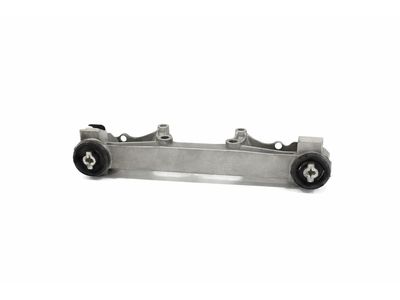
Mazda RX-7 Output Shaft Seal Part Number: P016-27-238
$11.14 MSRP: $14.85You Save: $3.71 (25%)Ships in 1-2 Business Days
Mazda RX-7 Output Shaft Seal Part Number: P043-27-238A
$12.19 MSRP: $16.25You Save: $4.06 (25%)Ships in 1-2 Business Days
Mazda RX-7 Differential Seal
Looking for Differential Seal with proven quality? Choose OEM Differential Seal. Mazda designs and builds them to strict factory specs. Every piece goes through rigorous quality checks. You'll get parts that fit right and work like new. Shop our huge inventory of OEM Mazda RX-7 parts. Enjoy the highly competitive prices online. Our site is your one-stop shop. Each genuine RX-7 part includes a manufacturer's warranty. Buy with confidence. Our return policy is simple and hassle-free. In a rush? Choose expedited delivery at checkout. You'll love the streamlined experience from search to checkout to receiving your order.
Mazda RX-7 Differential Seal Parts and Q&A
- Q:What are the methods to address and repair an oil leak at the differential seal on Mazda RX-7?A:An oil leak may develop at the pinion shaft oil seal, indicated by fluid leakage at the rear flange of the propeller shaft, which is fairly easy to replace without removing or disassembling the differential assembly. Begin by raising the rear of the car and supporting it firmly with jack stands. Drain the lubricant from the differential assembly by removing the drain plug at the bottom of the axle housing, and after all fluid has drained, reinstall and tighten the plug. Remove the propeller shaft from the axle drive flange and apply the handbrake firmly to prevent the rear wheel from turning. Next, remove the nut on the end of the pinion shaft that holds the flange in place, then pull off the flange using a conventional hub puller. Pry out the old seal with a seal remover or screwdriver, and clean the pinion bore and the outside diameter of the new oil seal with a clean rag. Tap the new seal into the bore using a plastic hammer or a hammer and a block of hard wood, ensuring the seal lips go inward and working around the seal to keep it square. Lubricate the running surface for the oil seal on the flange, then slide the flange into place and release the parking brake. Fit the washer and nut to the pinion shaft, tightening it gradually while turning the flange to allow the bearings to roll into position as the end load comes onto them, and finally tighten the nut to a torque of 94 ft-lb (13 m-kg) to set the bearing preload, using your foot to hold the pinion in place to prevent the wheels from turning. Connect the propeller shaft, fill the differential housing with the specified lubricant, lower the vehicle to the ground, and after a test drive, check around the rear flange for any further leakage.