×
- Hello
- Login or Register
- Quick Links
- Live Chat
- Track Order
- Parts Availability
- RMA
- Help Center
- Contact Us
- Shop for
- Mazda Parts

My Garage
My Account
Cart
Genuine Mazda Tribute Cooling Fan Assembly
Engine Cooling Fan- Select Vehicle by Model
- Select Vehicle by VIN
Select Vehicle by Model
orMake
Model
Year
Select Vehicle by VIN
For the most accurate results, select vehicle by your VIN (Vehicle Identification Number).
Filter by Part Type
Filter by Part Type
7 Cooling Fan Assemblys found
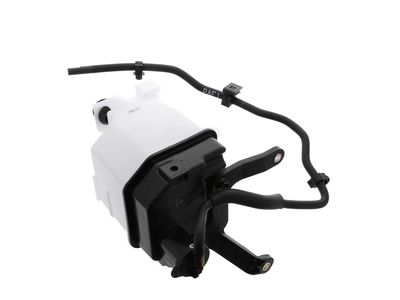
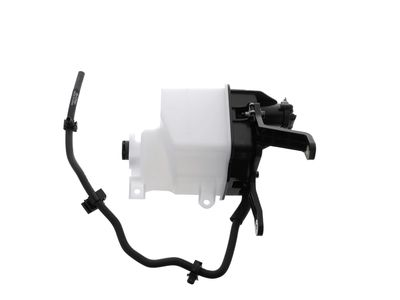
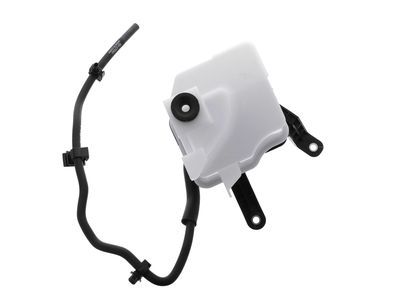
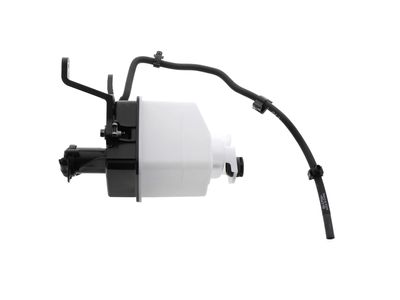
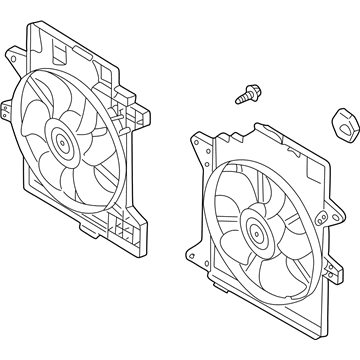
Mazda Tribute Fan & Motor Part Number: AJ06-15-025A
$355.19 MSRP: $473.68You Save: $118.49 (26%)Ships in 1-2 Business Days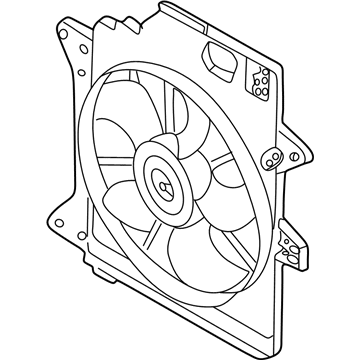
Mazda Tribute Fan & Motor Part Number: YF10-15-025K
$322.46 MSRP: $430.03You Save: $107.57 (26%)Ships in 1-2 Business Days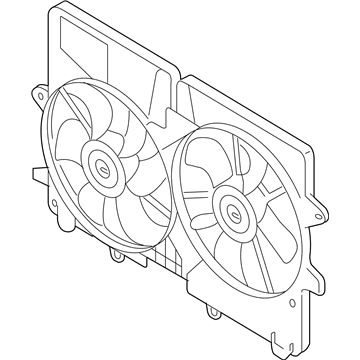
Mazda Tribute Fan & Motor Part Number: ZZCA-15-025
$118.88 MSRP: $156.05You Save: $37.17 (24%)Ships in 1-2 Business Days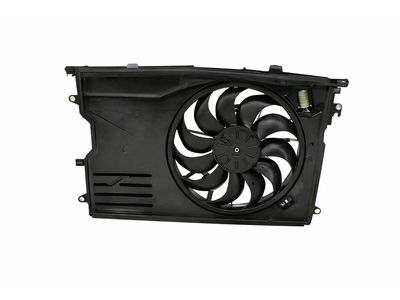
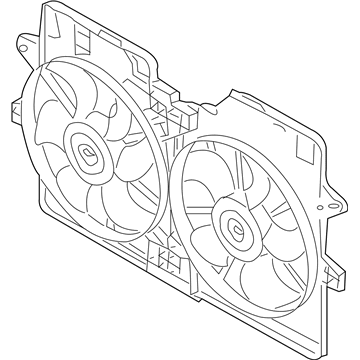
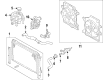
Mazda Tribute Fan & Motor Part Number: ZZC4-15-025
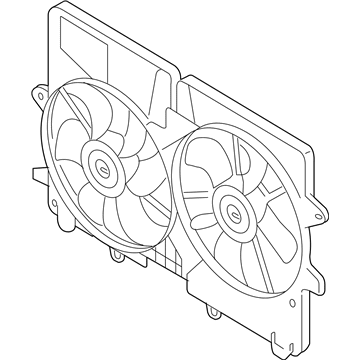
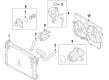
Mazda Tribute Fan & Motor Part Number: ZZC3-15-025
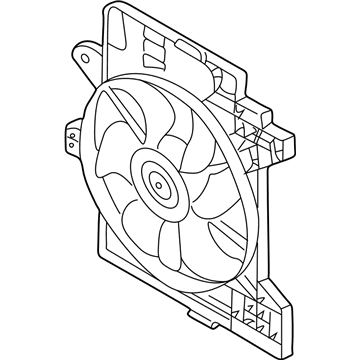
Mazda Tribute Fan & Motor Part Number: YF09-15-025K
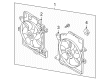
Mazda Tribute Fan Assembly Part Number: AJC1-15-025A
Mazda Tribute Cooling Fan Assembly
Looking for Cooling Fan Assembly with proven quality? Choose OEM Cooling Fan Assembly. Mazda designs and builds them to strict factory specs. Every piece goes through rigorous quality checks. You'll get parts that fit right and work like new. Shop our huge inventory of OEM Mazda Tribute parts. Enjoy the highly competitive prices online. Our site is your one-stop shop. Each genuine Tribute part includes a manufacturer's warranty. Buy with confidence. Our return policy is simple and hassle-free. In a rush? Choose expedited delivery at checkout. You'll love the streamlined experience from search to checkout to receiving your order.
Mazda Tribute Cooling Fan Assembly Parts and Q&A
- Q:Is it necessary to check for blown fuses before diagnosing issues with the Cooling Fan Assembly on Mazda Tribute?A:Before diagnosing a problem with electrical circuits, always make sure to check the fuses used. The four-cylinder models will have a high, medium, and low-speed cooling fan relay whereas the V6 models will have two high-speed fan relays, medium-speed relay, and a low-speed relay which are regulated by the PCM. In models made in 2008 and below, remove the negative battery terminal, fan motor electrical connector(s), and place the vehicle on jackstands. Empty the cooling system and reserve good coolant. Take out the hood latch of the 2004 and older models, then the upper Radiator hose by loosening the clamp. Eliminate center support bolts and raise the center support then the left and right upper radiator support bracket. Take off the fan radiator tilt, separate the wire harness of the fan shroud and take off the fan motor and shroud as one. Take off the fan mounting screws, take off the fan blade of the motor and take out the motor of the shroud. The opposite of removal is re-installation which makes sure that rubber air shields are installed where efficiency in cooling is concerned. Reconnect the battery and fill the cooling system and the PCM will relearn its idle and fuel trim strategy. On 2009-2012 models, lift the vehicle, drain some engine coolant on 4 cylinder models and remove the front bumper cover. Before beginning to work around cooling fans, disarm the airbag system and then detach the wiring harness clips and the bracket on the radiator, then the vertical center brace bolt. Disconnect wiring to the fan resistor and cooling fans and then remove cooling fan assembly. On 2013 and later models, eliminate the cooling module and support radiator, unplug spring clamps/hoses at the transmission fluid cooler control valve and remove the cooling fan shroud and motor assembly off the radiator. The process of reinstallation is the opposite of the removal.
Related Mazda Tribute Parts
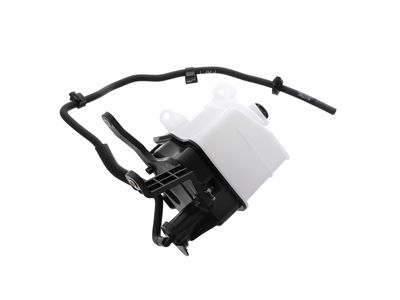
 Mazda Tribute Coolant Reservoir
 Mazda Tribute Thermostat
 Mazda Tribute Coolant Pipe
 Mazda Tribute Coolant Pipe Seal
 Mazda Tribute Coolant Reservoir Hose
 Mazda Tribute Cooling Fan Bracket
 Mazda Tribute Cooling Fan Resistors
 Mazda Tribute Cooling Hose
 Mazda Tribute Radiator fan
 Mazda Tribute Radiator Hose
 Mazda Tribute Thermostat Gasket
 Mazda Tribute Thermostat Housing