×
- Hello
- Login or Register
- Quick Links
- Live Chat
- Track Order
- Parts Availability
- RMA
- Help Center
- Contact Us
- Shop for
- Mazda Parts

My Garage
My Account
Cart
Genuine Mazda Tribute PCV Valve
Position Crank Ventilation Valve- Select Vehicle by Model
- Select Vehicle by VIN
Select Vehicle by Model
orMake
Model
Year
Select Vehicle by VIN
For the most accurate results, select vehicle by your VIN (Vehicle Identification Number).
8 PCV Valves found
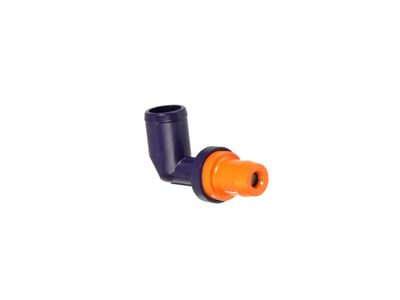
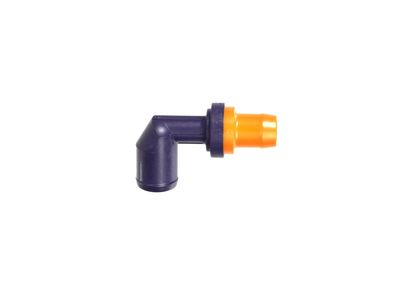
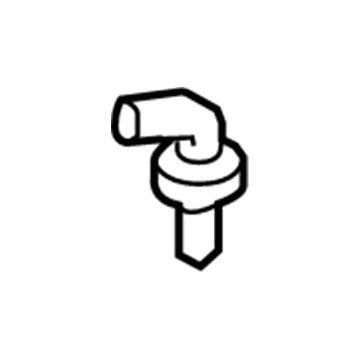
Mazda Tribute PCV Valve Part Number: L356-13-890
$18.89 MSRP: $25.19You Save: $6.30 (26%)Ships in 1-2 Business Days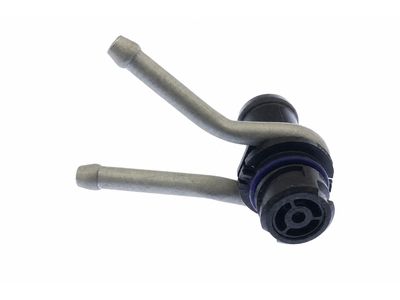

Mazda Tribute PCV Valve Part Number: 1F22-13-890A
$26.64 MSRP: $35.52You Save: $8.88 (25%)Ships in 1-2 Business DaysMazda Tribute PCV Valve Part Number: AJC1-13-890B
$13.94 MSRP: $18.59You Save: $4.65 (26%)Ships in 1-2 Business Days
Mazda Tribute PCV Valve Part Number: AJ95-13-890A
$10.64 MSRP: $14.18You Save: $3.54 (25%)Ships in 1-2 Business DaysMazda Tribute PCV Valve Part Number: LFP7-13-890
$43.39 MSRP: $57.86You Save: $14.47 (26%)Ships in 1-2 Business DaysMazda Tribute PCV Valve Part Number: YF71-13-890A
$58.78 MSRP: $78.38You Save: $19.60 (26%)Ships in 1-2 Business DaysMazda Tribute PCV Valve Part Number: YF09-13-890

Mazda Tribute PCV Valve Part Number: L305-13-890
Mazda Tribute PCV Valve
The Mazda Tribute PCV Valve acts as the built-in recycler that pulls the oily blow-by gases out of the crankcase and returns them to the intake to continue with the process of burning fully and in a clean manner. The valve reduces harmful hydrocarbon emissions by continuously pumping air into the crankcase, preventing moisture and sludge from building up in the oil, and may even provide some pressure relief behind the piston rings. It operates by simple vacuum control, maintaining itself largely closed when idle, when manifold vacuum is great, and opening wider with throttle increase and decreasing vacuum, allowing additional blow-by to be siphoned off without causing the mixture to become too lean. A blocked PCV Valve may result in rough idling, oil spillage, or higher consumption. This auto-compensation self-adjustment, as well as its application as a flame arrestor to prevent intake backfires reaching the crankcase, are what cause the small component to be essential to long-term reliability. Throughout the manufacturing cycle of the small SUV, Mazda never switched to an electronic or multi-stage poppet, meaning that customers will not face any significant changes, other than slight changes in the way the hoses are laid, or the thread size. Routine maintenance is in line with the Mazda maintenance schedule and it often does not take more than a few minutes. It may be an early V6 or a more recent four-cylinder Tribute, but the identical simple part is applied. Replacing the PCV Valve with a new one every time it sounds weak when it rattles is a sure way of keeping the engine breathing freely and ensuring that genuine Mazda parts are applied for the perfect fit and functioning of the engine.
Looking for PCV Valve with proven quality? Choose OEM PCV Valve. Mazda designs and builds them to strict factory specs. Every piece goes through rigorous quality checks. You'll get parts that fit right and work like new. Shop our huge inventory of OEM Mazda Tribute parts. Enjoy the highly competitive prices online. Our site is your one-stop shop. Each genuine Tribute part includes a manufacturer's warranty. Buy with confidence. Our return policy is simple and hassle-free. In a rush? Choose expedited delivery at checkout. You'll love the streamlined experience from search to checkout to receiving your order.
Mazda Tribute PCV Valve Parts and Q&A
- Q:How to check and replace the PCV valve on Mazda Tribute?A:Further details on PCV system, the PCV Valve on V6 models, and the oil separators on both engines can be found on PCV Valve which is at the valve cover on earlier models. Turn the engine on and idle, then disconnect the PCV Valve from the valve cover and rub the vacuum at the end of the valve; when there is vacuum, PCV Valve/system operation is normal. In case of no vacuum being experienced, take out the valve and examine vacuum being taken at the hose; if vacuum is available at the hose and not at the valve, change the valve. When a vacuum is not sensed in the hose, examine the possibility of the plug and hose or even a broken hose between the PCV and intake plenum. Also, inspect the rubber grommet of the valve cover, and change it in case of cracks and distortion. If the valve has been clogged, the hose may also be plugged; therefore, pull out the hose between the valve and the intake manifold, and clean with solvent. Clean up the hose, check it against the fittings, wear, and deterioration, and also make sure that it fits snugly on the fittings, and perhaps, replace worn PCV Valve. In models from 2005 to 2012, disassemble the intake manifold, pull off the hose of PCV Valve, squeeze the two tabs and then pull the PCV Valve off the crankcase oil separator, and the opposite is true. In later models, where an oil separator is used, as with some earlier 4-cylinder models, the oil separator is mounted to the front of the engine block via a hose to the intake manifold, and the PCV Valve is a part of crankcase oil separator.

Related Mazda Tribute Parts
 Mazda Tribute Catalytic Converter
 Mazda Tribute EGR Valve
 Mazda Tribute Muffler
 Mazda Tribute Canister Purge Valve
 Mazda Tribute EGR Vacuum Solenoid
 Mazda Tribute EGR Valve Gasket
 Mazda Tribute Exhaust Flange Gasket
 Mazda Tribute Exhaust Hanger
 Mazda Tribute Exhaust Heat Shield
 Mazda Tribute Exhaust Pipe
 Mazda Tribute Muffler Strap
 Mazda Tribute Vapor Canister