×
- Hello
- Login or Register
- Quick Links
- Live Chat
- Track Order
- Parts Availability
- RMA
- Help Center
- Contact Us
- Shop for
- Mazda Parts

My Garage
My Account
Cart
Genuine Mazda 6 Brake Booster
Brake Power Booster- Select Vehicle by Model
- Select Vehicle by VIN
Select Vehicle by Model
orMake
Model
Year
Select Vehicle by VIN
For the most accurate results, select vehicle by your VIN (Vehicle Identification Number).
4 Brake Boosters found
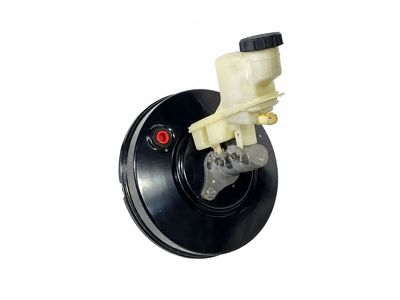
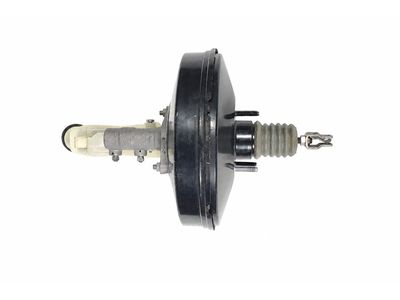
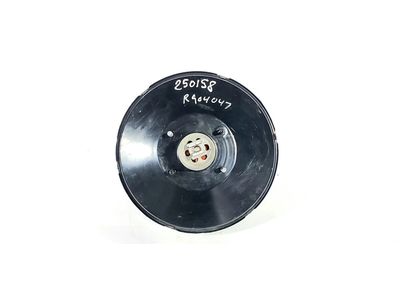
Mazda 6 Brake Booster Part Number: GSYL-43-80ZC
$61.93 MSRP: $82.58You Save: $20.65 (26%)Ships in 1-2 Business Days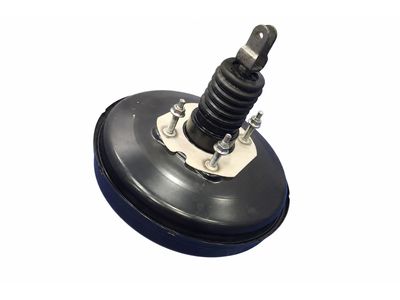
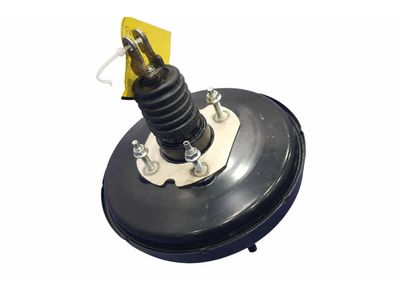
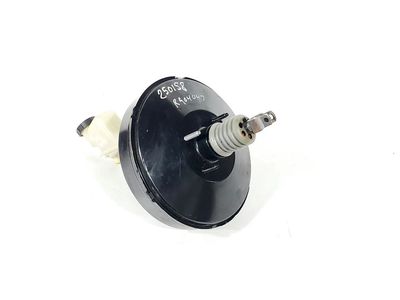
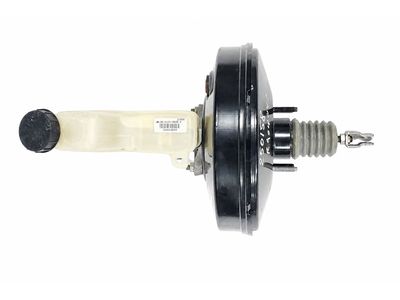
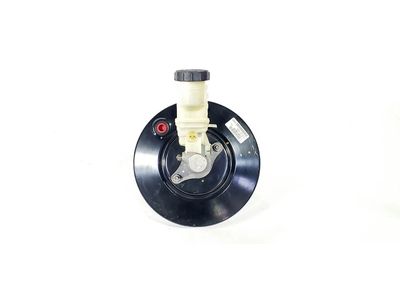
Mazda 6 Brake Booster Part Number: GJY2-43-80ZB
$212.95 MSRP: $283.99You Save: $71.04 (26%)Ships in 1-2 Business Days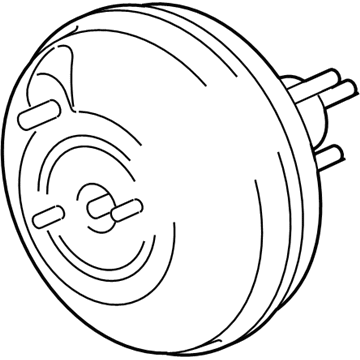
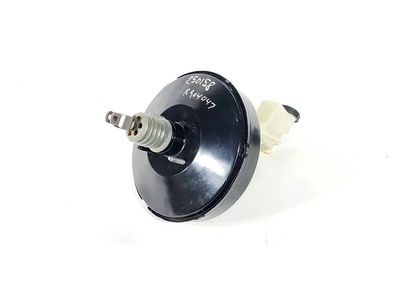
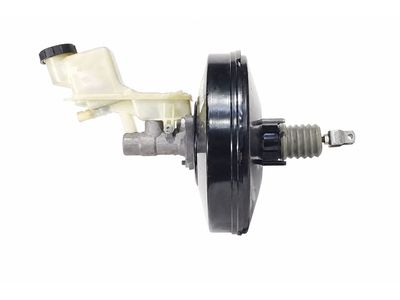
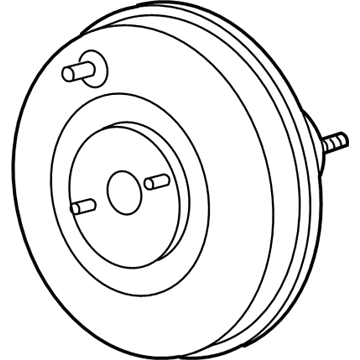
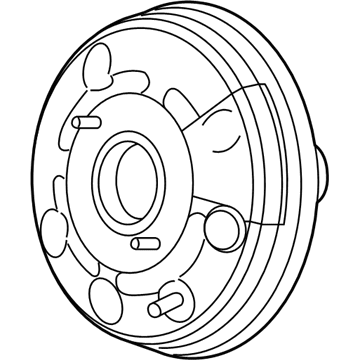
Mazda 6 Brake Booster Part Number: GJ6A-43-800
$279.64 MSRP: $372.92You Save: $93.28 (26%)Ships in 1-2 Business Days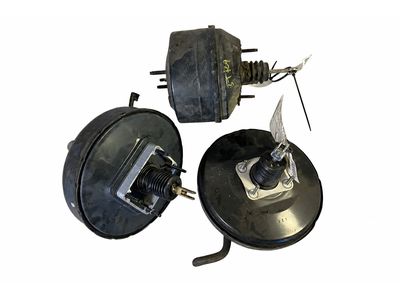
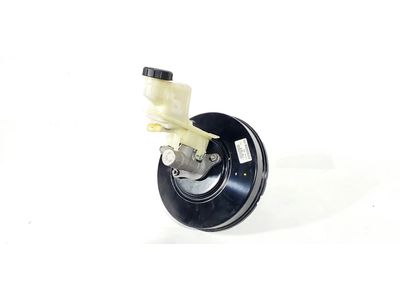
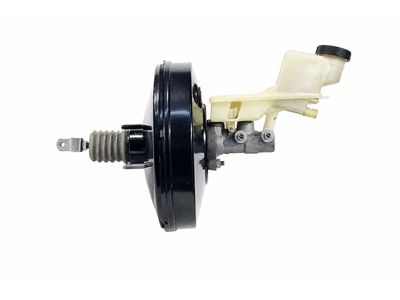
Mazda 6 Brake Booster Part Number: GP7A-43-800C
Mazda 6 Brake Booster
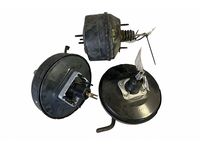
The Mazda 6 Brake Booster enables drivers to bring their sedan to a halt using minimal pressure on the pedal by increasing the force applied to the master cylinder. This vacuum assisted unit is installed between the brake pedal and the cylinder to take advantage of the pressure difference between the manifold vacuum on one side of a sealed diaphragm and external air on the other to push a power piston forward each time the pedal rod uncovers an internal valve. When the pedal is resting with vacuum on both sides, pressing the pedal will in turn introduce atmospheric pressure in the rear chamber, immediately producing additional push so that a small foot force will result in high hydraulic pressure at the wheel calipers. The majority of Mazda vehicles are based on this reliable vacuum design, although a hydraulic style taking advantage of the steering pump or an electric motor may be found in high load designs, sacrificing engine vacuum in favor of fluid pressure but also aiming at the same objective of a simple braking action. The two types have the same placement and aim but they differ in the source of the energy where one uses the manifold vacuum and the other a pressurized fluid meaning that the hydraulic unit maintains full boost even when the engine vacuum is low. The two boosters are dependable though each has its source, i.e. the vacuum type has few assisted stops in case the engine fails whereas the hydraulic type relies on the pump output. Mazda daily drivers enjoy how the Brake Booster gives them a feeling of confidence and someone thinking about going for the next Mazda 6 just needs to ensure that the Brake Booster has a good vacuum or fluid seal before going out on the street.
Looking for Brake Booster with proven quality? Choose OEM Brake Booster. Mazda designs and builds them to strict factory specs. Every piece goes through rigorous quality checks. You'll get parts that fit right and work like new. Shop our huge inventory of OEM Mazda 6 parts. Enjoy the highly competitive prices online. Our site is your one-stop shop. Each genuine 6 part includes a manufacturer's warranty. Buy with confidence. Our return policy is simple and hassle-free. In a rush? Choose expedited delivery at checkout. You'll love the streamlined experience from search to checkout to receiving your order.
Mazda 6 Brake Booster Parts and Q&A
- Q:How to perform an operating check and airtightness check on a brake booster on Mazda 6?A:In order to carry out an operating check, step on the brake pedal a number of times with the engine off and make sure that there is no change in the distance of the pedal reserve. Then push the pedal and press the starter, in case the pedal slips a bit, the work is all right. To test airtightness, it is recommended that one turns the engine on and after a minute or two, one switches off the engine and presses slowly a few times on the brake pedal. When the first depression increases to a further point and then a gradual rise after the second or third depression, then the booster is airtight. When the engine is running, provide a depression of the brake pedal and shut down the engine with the pedal depressed, in case there is no alteration in the travel of pedal reserve after 30 seconds of holding the pedal, the booster is airtight. The power unit would need special tools to disassemble, and would not normally be carried out by the home mechanic; in the case of a problem arising, it would be advisable to fit in a new power unit or a factory rebuild. Start by taking out the air filter housing, the battery and battery tray. The second step is to take out the windshield wiper motor, lower cowl panel, and the master cylinder. Take out the Powertrain Control Module (PCM) and its bracket, and on 3.7L V6 models, take out the EVAP purge solenoid. Un screw the vacuum hose connection to the power brake booster, under instrument panel, remove the retaining pin and washer and unscrew the pushrod connection to the brake pedal arm. Insert the nuts which hold the booster to the firewall and take the booster unit off the firewall and out of the engine compartment. The booster can be installed by inserting it into place and screwing the retaining nuts to the required torque, and attaching the pushrod to the brake pedal. In case the booster-to-firewall gasket is damaged, fit in a new gasket. Lastly, the master cylinder and once again the vacuum hose is installed, but one must ensure to carefully test the functionality of the brakes before returning the vehicle to normal service.
Related Mazda 6 Parts
 Mazda 6 Brake Pads
 Mazda 6 Brake Master Cylinder
 Mazda 6 Brake Caliper Repair Kit
 Mazda 6 ABS Reluctor Ring
 Mazda 6 Brake Booster Vacuum Hose
 Mazda 6 Brake Caliper Piston
 Mazda 6 Brake Dust Shields
 Mazda 6 Brake Line
 Mazda 6 Brake Master Cylinder Repair Kit
 Mazda 6 Hydraulic Hose
 Mazda 6 Parking Brake Actuator
 Mazda 6 Parking Brake Cable
Browse by Year
2021 Brake Booster 2020 Brake Booster 2019 Brake Booster 2018 Brake Booster 2017 Brake Booster 2016 Brake Booster 2015 Brake Booster 2014 Brake Booster 2013 Brake Booster 2012 Brake Booster 2011 Brake Booster 2010 Brake Booster 2009 Brake Booster 2008 Brake Booster 2007 Brake Booster 2006 Brake Booster 2005 Brake Booster 2004 Brake Booster 2003 Brake Booster