×
- Hello
- Login or Register
- Quick Links
- Live Chat
- Track Order
- Parts Availability
- RMA
- Help Center
- Contact Us
- Shop for
- Mazda Parts

My Garage
My Account
Cart
Genuine Mazda 6 Brake Master Cylinder
- Select Vehicle by Model
- Select Vehicle by VIN
Select Vehicle by Model
orMake
Model
Year
Select Vehicle by VIN
For the most accurate results, select vehicle by your VIN (Vehicle Identification Number).
9 Brake Master Cylinders found
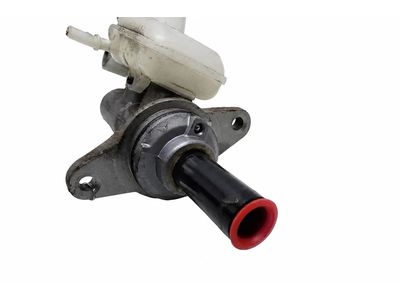
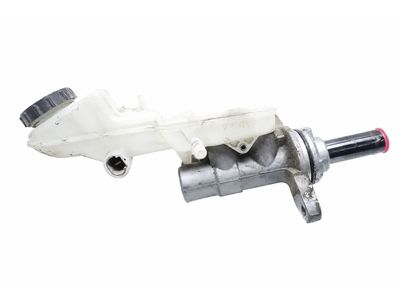
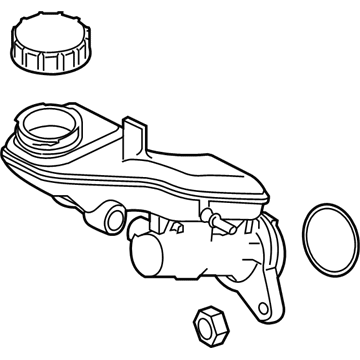
Mazda 6 Master Cylinder Part Number: GHY9-43-40Z
$273.88 MSRP: $365.24You Save: $91.36 (26%)Ships in 1-2 Business Days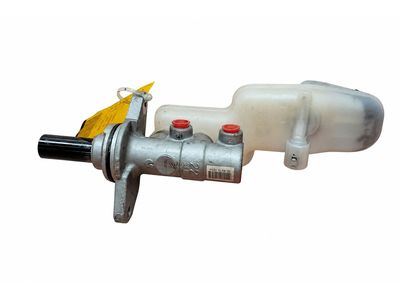
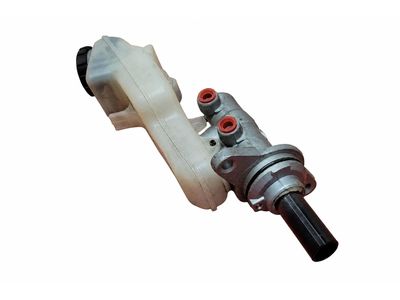
Mazda 6 Master Cylinder Part Number: GHY5-43-40Z
$289.39 MSRP: $385.92You Save: $96.53 (26%)Ships in 1-2 Business Days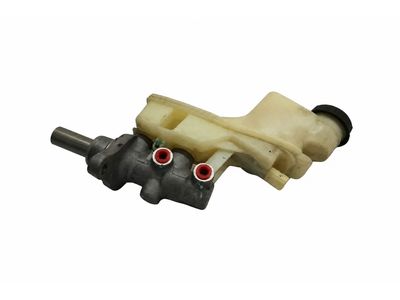
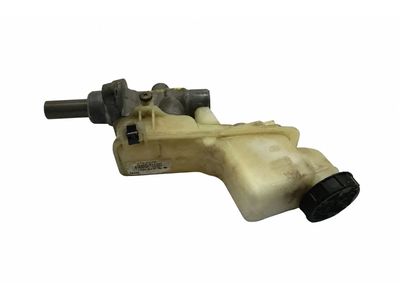
Mazda 6 Master Cylinder Part Number: GP7A-43-400D
$135.14 MSRP: $180.22You Save: $45.08 (26%)Ships in 1-2 Business Days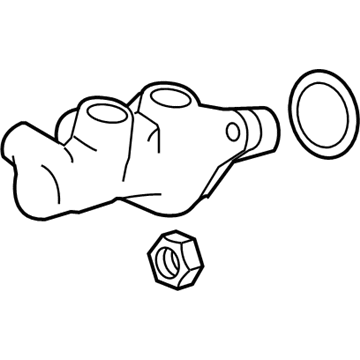
Mazda 6 Master Cylinder Part Number: GSYL-43-40Z
$86.61 MSRP: $115.51You Save: $28.90 (26%)Ships in 1-2 Business Days
Mazda 6 Master Cylinder Part Number: GJ6F-43-40ZR-0A
$246.98 MSRP: $327.97You Save: $80.99 (25%)Ships in 1-2 Business Days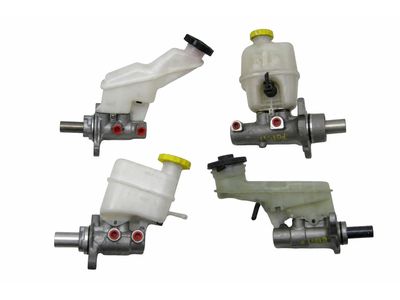
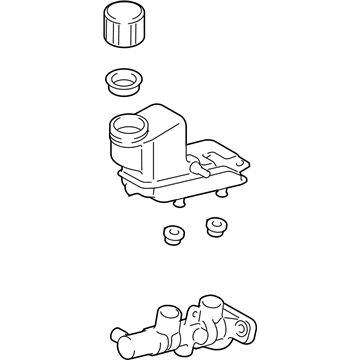
Mazda 6 Master Cylinder Part Number: GJ6L-43-40ZA
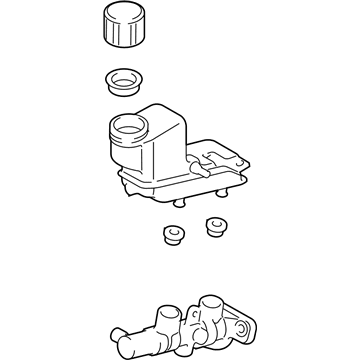
Mazda 6 Master Cylinder Part Number: GP7C-43-400D
Mazda 6 Master Cylinder Part Number: GJ9M-43-400R-0B
Mazda 6 Master Cylinder Part Number: GJ6N-43-40ZR-0A
Mazda 6 Brake Master Cylinder
The Mazda 6 Brake Master Cylinder converts the force on the brake pedal into accurate hydraulic pressure and provides drivers with reliable and balanced brake force. Two sealed spring-loaded pistons fit within an aluminum or cast iron casing and travel in a polished bore, and their action forces brake fluid through two hydraulic circuits so that even when one side is out of service, the other circuit still has enough pressure to decelerate the vehicle. That provides extra confidence to Mazda drivers. The new Mazda 6 models use a separate plastic reservoir attached to the top of the cylinder using O-rings and threaded caps, whereas older cast iron reservoirs are sometimes internally metallic and are attached by a wire bail; the reservoir shape remains the same, and the hydraulic operation is the same. The cylinder is attached to the front of the vacuum power booster, and a pushrod from the pedal or booster drives the pistons forward when the driver pushes the pedal, then a spring forces them back when the pedal is released and the system is restored to full air-free fluid by small ports. Because the Brake Master Cylinder contains moisture-free fluid, bore corrosion or broken reservoirs may cause fluid leakage or internal leaks, resulting in a sinking pedal and ineffective stopping, and therefore dampness near the booster or firewall is an indicator of problems. Routine fluid replacement and timely leak sealing allow the Mazda brake system to do its job well, and the second design of the Brake Master Cylinder that was prevalent in the later 6 generations lasts longer.
Looking for Brake Master Cylinder with proven quality? Choose OEM Brake Master Cylinder. Mazda designs and builds them to strict factory specs. Every piece goes through rigorous quality checks. You'll get parts that fit right and work like new. Shop our huge inventory of OEM Mazda 6 parts. Enjoy the highly competitive prices online. Our site is your one-stop shop. Each genuine 6 part includes a manufacturer's warranty. Buy with confidence. Our return policy is simple and hassle-free. In a rush? Choose expedited delivery at checkout. You'll love the streamlined experience from search to checkout to receiving your order.
Mazda 6 Brake Master Cylinder Parts and Q&A
- Q:How to remove and install a Brake Master Cylinder on Mazda 6?A:In order to access the master cylinder, remove the battery tray and battery first. With a syringe, remove as much fluid as possible out of the reservoir. Put rags under all fluid fittings and make ready caps or plastic bags to cover the end of the lines after removal to avoid damaged painted surfaces being covered with brake fluid. On manual types of transaxle, loosen the supply hose of the clutch master cylinder and seal it with a clamp. Unscrew the fittings on the ends of the Brake Lines entering the master cylinder, with a flare-nut wrench, but do not round off the nuts, and then nearly pull the brake lines out, and insert the ends. Unplug the electrical connector at the switch on the brake fluid level switch, remove the nuts that hold the master cylinder in place to the power booster, and then remove the master cylinder out of the engine compartment without spilling the fluid. In case of a new master cylinder, move the reservoir of the master cylinder, making sure that one replaces the O-rings with new ones. Bench bleed the new master cylinder before installing it, by clamping it in a vise and by fitting bleeder tubes to the outlet ports, fill the reservoir with the recommended brake fluid. The pistons should be slowly forced into the master cylinder to drive out the air till there are no bubbles. Once the bleed tubes are taken out, insert the reservoir cap and the plugs in the open ports. The master cylinder can be installed on the studs of the power Brake Booster with the nuts tightened with a finger, and a new O-ring placed. Insert the brake line fittings into the master cylinder, and reposition according to requirements to prevent thread stripping. screw the mounting nuts and fittings of the brake line. Fill the reservoir with fluid and drain the master cylinder and the brake system have an assistant press the brake pedal and loosen the fittings to release the air and fluid until no more bubbles appear. Keep some rags to receive any substance, and wash the part under the master cylinder with clean water after the bleeding. Lastly, check the functionality of the brake system and then restart the vehicle to regular use.
Related Mazda 6 Parts
 Mazda 6 ABS Sensor
 Mazda 6 Brake Booster
 Mazda 6 Wheel Hub
 Mazda 6 ABS Control Module
 Mazda 6 Brake Bleeder Screw
 Mazda 6 Brake Booster Vacuum Hose
 Mazda 6 Brake Caliper Bracket
 Mazda 6 Brake Caliper Piston
 Mazda 6 Brake Master Cylinder Repair Kit
 Mazda 6 Hydraulic Hose
 Mazda 6 Parking Brake Actuator
 Mazda 6 Wheel Hub Bolt
Browse by Year
2021 Brake Master Cylinder 2020 Brake Master Cylinder 2019 Brake Master Cylinder 2018 Brake Master Cylinder 2017 Brake Master Cylinder 2016 Brake Master Cylinder 2015 Brake Master Cylinder 2014 Brake Master Cylinder 2013 Brake Master Cylinder 2012 Brake Master Cylinder 2011 Brake Master Cylinder 2010 Brake Master Cylinder 2009 Brake Master Cylinder 2008 Brake Master Cylinder 2007 Brake Master Cylinder 2006 Brake Master Cylinder 2005 Brake Master Cylinder 2004 Brake Master Cylinder 2003 Brake Master Cylinder