×
- Hello
- Login or Register
- Quick Links
- Live Chat
- Track Order
- Parts Availability
- RMA
- Help Center
- Contact Us
- Shop for
- Mazda Parts

My Garage
My Account
Cart
Genuine Mazda MPV Distributor Rotor
Ignition Distributor Rotor- Select Vehicle by Model
- Select Vehicle by VIN
Select Vehicle by Model
orMake
Model
Year
Select Vehicle by VIN
For the most accurate results, select vehicle by your VIN (Vehicle Identification Number).
4 Distributor Rotors found
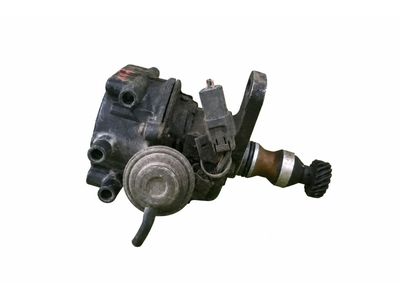
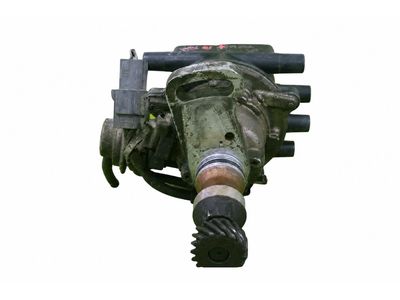
Mazda MPV Rotor Part Number: JE01-18-V05-9U
$6.35 MSRP: $8.34You Save: $1.99 (24%)Ships in 1-2 Business Days
Mazda MPV Rotor Part Number: JF01-18-V05A
$23.30 MSRP: $31.07You Save: $7.77 (26%)Ships in 1-2 Business Days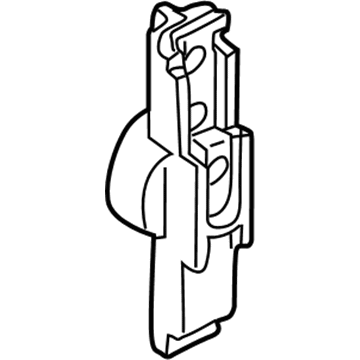
Mazda MPV Rotor Part Number: KF34-18-V05A-9U
Mazda MPV Cap Part Number: F220-18-V05B-9U
Mazda MPV Distributor Rotor
Looking for Distributor Rotor with proven quality? Choose OEM Distributor Rotor. Mazda designs and builds them to strict factory specs. Every piece goes through rigorous quality checks. You'll get parts that fit right and work like new. Shop our huge inventory of OEM Mazda MPV parts. Enjoy the highly competitive prices online. Our site is your one-stop shop. Each genuine MPV part includes a manufacturer's warranty. Buy with confidence. Our return policy is simple and hassle-free. In a rush? Choose expedited delivery at checkout. You'll love the streamlined experience from search to checkout to receiving your order.
Mazda MPV Distributor Rotor Parts and Q&A
- Q:Should the Distributor Cap, Distributor Rotor and Spark Plug Wire be checked at recommended intervals and when new Distributor Cap, Distributor Rotor and Spark Plug Wire are installed on Mazda MPV?A:Spark plug wires must be checked according to the recommended times and whenever replacing the new spark plugs in the engine. First, physically examine the spark plug wires with the engine operating in a dark garage with sufficient air flow; check the plug wire attaching ends individually, being careful not to touch them against any moving engine components. In case the wire is broken, a short or a slight spark will appear at the faulty point creating the necessity of replacing the wires after the engine has cooled down. After removing the negative cable to the battery, one should check each wire individually so that they are not confused with the order, which is important to ensure that the engine can work properly. Unplug the plug wire to the spark plug with a removal tool or by twisting and pulling the plastic boot, but not the wire. Check the boot inside with a feeling of the corrosion, then re-insert and stretch the wire and boot back into the spark plug, with a tight fit otherwise, crimp the metal connector in the boot with a pliers. Wipe all the length of the wire with a clean rag to remove dirt and grease and ensure that there are no burns, cracks, and other damage but without bending it too much. Take the wire off the distributor, ensuring that there is no corrosion, a tight fit and then replace it. Check the rest of the spark plug wires to make sure that they are tightly fitted at the distributor and the spark plug. In case new spark plug wires are required, they come as a set of wires, and the plug wires are removed and installed sequentially, to prevent confusion in firing order. Check the distributor cap and rotor (worn parts) by loosening the screws and removing the distributor cap to check wear or signs of carbon tracks and worn/loose contacts; replace parts with new parts in case of wear or find signs of carbon tracks or worn contacts, and it is a common practice to change the distributor cap and rotor when new spark plug wires are being fitted, ensure to transfer the wires in the same sequence as the old distribution cap to the new one to avoid firing the wires in the wrong order.
Related Mazda MPV Parts
 Mazda MPV Ignition Coil
 Mazda MPV Camshaft Position Sensor
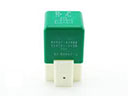 Mazda MPV Cooling Fan Relay
 Mazda MPV Crankshaft Position Sensor
 Mazda MPV Distributor
 Mazda MPV Distributor Cap
 Mazda MPV Engine Control Module
 Mazda MPV Hazard Warning Switch
 Mazda MPV Ignition Control Module
 Mazda MPV Spark Plug
 Mazda MPV Spark Plug Wire
 Mazda MPV Washer Reservoir Cap