×
- Hello
- Login or Register
- Quick Links
- Live Chat
- Track Order
- Parts Availability
- RMA
- Help Center
- Contact Us
- Shop for
- Mazda Parts

My Garage
My Account
Cart
Genuine Mazda MX-5 Miata Clutch Release Bearing
Release Bearing- Select Vehicle by Model
- Select Vehicle by VIN
Select Vehicle by Model
orMake
Model
Year
Select Vehicle by VIN
For the most accurate results, select vehicle by your VIN (Vehicle Identification Number).
2 Clutch Release Bearings found
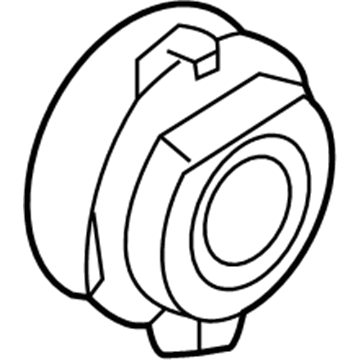
Mazda MX-5 Miata Bearing Part Number: LF01-16-510
$57.90 MSRP: $77.21You Save: $19.31 (26%)Ships in 1-2 Business Days
Mazda MX-5 Miata Release Bearing Part Number: G561-16-510C
$77.51 MSRP: $103.36You Save: $25.85 (26%)Ships in 1-2 Business Days
Mazda MX-5 Miata Clutch Release Bearing
Looking for Clutch Release Bearing with proven quality? Choose OEM Clutch Release Bearing. Mazda designs and builds them to strict factory specs. Every piece goes through rigorous quality checks. You'll get parts that fit right and work like new. Shop our huge inventory of OEM Mazda MX-5 Miata parts. Enjoy the highly competitive prices online. Our site is your one-stop shop. Each genuine MX-5 Miata part includes a manufacturer's warranty. Buy with confidence. Our return policy is simple and hassle-free. In a rush? Choose expedited delivery at checkout. You'll love the streamlined experience from search to checkout to receiving your order.
Mazda MX-5 Miata Clutch Release Bearing Parts and Q&A
- Q:How to properly service and install a clutch release bearing and Clutch Fork on Mazda MX-5 Miata?A:NO blowing it out with compressed air and NO breathing it in. When cleaning the dust, do not use gasoline or petroleum-based solvents, use brake system cleaner instead and blow the dust into a drain pan. Wipe the clutch parts off using rag after which the contaminated rags and cleaner should be disposed in a labeled and covered container. Start by unplugging the negative cable of the battery and then take off the transmission. The second step is to release the clutch fork off the ball stud and then to pull the bearing off the fork by pulling on the retention spring and sliding the bearing tangs off. To check, gripping the bearing by the outer race, rotate the inner one, apply pressure; in case it does not rotate easily or is noisy, change the bearing/hub. Wipe the bearing with clean rag and inspect for damages, wear and cracks, but do not place the bearing in solvent since it is closed forever. There should also be checking of the clutch fork, whether it has cracks, bends and checking of the clutch fork boot whether it is deteriorated or not and replacing it with a new one where necessary. To install, grease the inner groove of the release bearing with high temperature grease and use a light coating on transmission input shaft splines and front bearing retainer. Moisten the clutch fork ball socket and ends of the fork with high temperature grease and fasten the release bearing to the clutch fork. Place the release bearing on the transmission input shaft front bearing retainer and pass the end of the clutch fork through the opening on the clutch housing and make sure that the clutch fork has been firmly seated on the ball stud. Lubricate the socket of the release cylinder pushrod in the clutch fork by applying a high-temperature grease and a light coating over the face of the release bearing on which the fingers of the pressure plate diaphragm contact. The process of installation can be completed by simply reversing the uninstallation process.
Related Mazda MX-5 Miata Parts
 Mazda MX-5 Miata Clutch Disc
 Mazda MX-5 Miata Clutch Fork
 Mazda MX-5 Miata Clutch Slave Cylinder
 Mazda MX-5 Miata Clutch Slave Repair Kit
 Mazda MX-5 Miata Flywheel
 Mazda MX-5 Miata Pilot Bearing
 Mazda MX-5 Miata Pressure Plate
 Mazda MX-5 Miata Torque Converter
 Mazda MX-5 Miata Transfer Case Gasket
 Mazda MX-5 Miata Transfer Case Seal
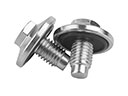 Mazda MX-5 Miata Transmission Drain Plug
 Mazda MX-5 Miata Transmission Pan
Browse by Year
2024 Clutch Release Bearing 2023 Clutch Release Bearing 2022 Clutch Release Bearing 2021 Clutch Release Bearing 2020 Clutch Release Bearing 2019 Clutch Release Bearing 2018 Clutch Release Bearing 2017 Clutch Release Bearing 2016 Clutch Release Bearing 2015 Clutch Release Bearing 2014 Clutch Release Bearing 2013 Clutch Release Bearing 2012 Clutch Release Bearing 2011 Clutch Release Bearing 2010 Clutch Release Bearing 2009 Clutch Release Bearing 2008 Clutch Release Bearing 2007 Clutch Release Bearing 2006 Clutch Release Bearing