×
- Hello
- Login or Register
- Quick Links
- Live Chat
- Track Order
- Parts Availability
- RMA
- Help Center
- Contact Us
- Shop for
- Mazda Parts

My Garage
My Account
Cart
Genuine Mazda MX-5 Miata Wheel Bearing
Hub Bearing- Select Vehicle by Model
- Select Vehicle by VIN
Select Vehicle by Model
orMake
Model
Year
Select Vehicle by VIN
For the most accurate results, select vehicle by your VIN (Vehicle Identification Number).
4 Wheel Bearings found
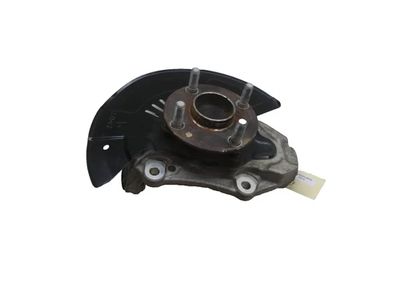
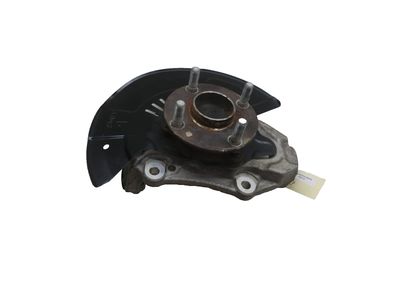
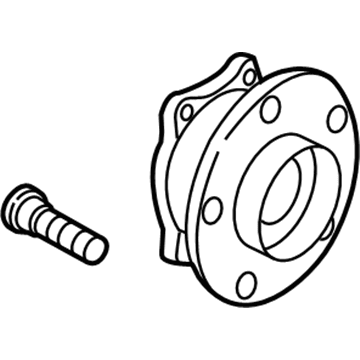
Mazda MX-5 Miata Hub Assembly Part Number: N243-33-04X
$259.84 MSRP: $346.53You Save: $86.69 (26%)Ships in 1-2 Business Days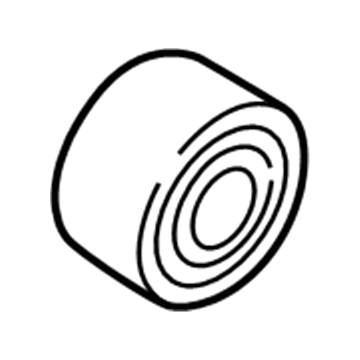
Mazda MX-5 Miata Wheel Bearing Part Number: FB01-26-151C-MV
$60.03 MSRP: $80.05You Save: $20.02 (26%)Ships in 1-2 Business Days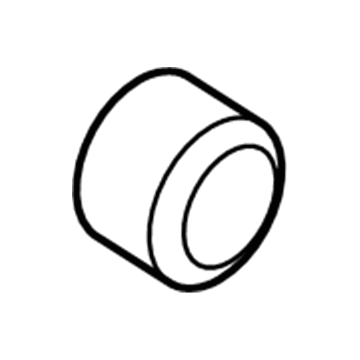
Mazda MX-5 Miata Wheel Bearing Part Number: FB01-26-151F
$161.54 MSRP: $215.43You Save: $53.89 (26%)Ships in 1-2 Business Days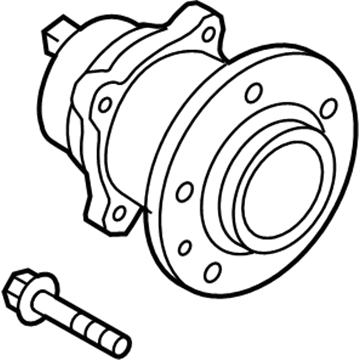
Mazda MX-5 Miata Hub Assembly Part Number: NE51-33-04XA
$383.10 MSRP: $515.03You Save: $131.93 (26%)Ships in 1-2 Business Days
Mazda MX-5 Miata Wheel Bearing
Looking for Wheel Bearing with proven quality? Choose OEM Wheel Bearing. Mazda designs and builds them to strict factory specs. Every piece goes through rigorous quality checks. You'll get parts that fit right and work like new. Shop our huge inventory of OEM Mazda MX-5 Miata parts. Enjoy the highly competitive prices online. Our site is your one-stop shop. Each genuine MX-5 Miata part includes a manufacturer's warranty. Buy with confidence. Our return policy is simple and hassle-free. In a rush? Choose expedited delivery at checkout. You'll love the streamlined experience from search to checkout to receiving your order.
Mazda MX-5 Miata Wheel Bearing Parts and Q&A
- Q:How to remove and inspect front wheel bearings in the wheel hub assembly on Mazda MX-5 Miata?A:The hub and bearing assembly includes the front wheel bearings which do not have a separate service. to start removal, loosen the lug nuts of the wheels, jack up the car and place it safely on jackstands then remove the wheel. Then take out the caliper disc, brake caliper and caliper bracket. Check the endplay of the hub and bearing assembly with a dial indicator against the hub, putting the indicator to zero with the hub pressed in, and recording the reading when the hub is pulled out. In case the endplay is greater than 0.002 inch, loosen the locknut and attempt to re-tighten the locknut to the required specifications. In case this fails to bring the endplay within reach, then the whole hub will have to be changed. When excess endplay is fixed by retightening, the retightened locknut should not be reused but a new one should be fixed. Take off grease cap on the hub, bend back the staked part of the locknut and open it. In case of re-tightening the locknut, remove it, then grind off the staked area then apply correct torque. Removing the bearing and hub assembly off the spindle, with a puller, as required; remove the brake disc shield bolts, as required. To check, feel the bearings in the hub, roughness, looseness, noise, greasy discharge etc.: spin with your fingers to feel. In case of any problems detected or grease leakage, change the hub and bearings. Also, inspect the wheel studs and the ABS sensor ring to check whether they are damaged, which can be repaired in the automotive machine shop. To install, do the reverse of the procedures, but be sure to apply wheel bearing grease and lubricate the spindle, re-fit a fresh locknut, tighten it to the appropriate torque and stake the locknut to ensure it does not loosen.
Related Mazda MX-5 Miata Parts
 Mazda MX-5 Miata Axle Beam
 Mazda MX-5 Miata Axle Beam Mount
 Mazda MX-5 Miata Axle Support Bushings
 Mazda MX-5 Miata Bump Stop
 Mazda MX-5 Miata Coil Springs
 Mazda MX-5 Miata Control Arm Bushing
 Mazda MX-5 Miata Control Arm Nut
 Mazda MX-5 Miata Front Cross-Member
 Mazda MX-5 Miata Radius Arm
 Mazda MX-5 Miata Steering Knuckle
 Mazda MX-5 Miata Strut Mounts
 Mazda MX-5 Miata Sway Bar Link Bushing
Browse by Year
2025 Wheel Bearing 2024 Wheel Bearing 2023 Wheel Bearing 2022 Wheel Bearing 2021 Wheel Bearing 2020 Wheel Bearing 2019 Wheel Bearing 2018 Wheel Bearing 2017 Wheel Bearing 2016 Wheel Bearing 2015 Wheel Bearing 2014 Wheel Bearing 2013 Wheel Bearing 2012 Wheel Bearing 2011 Wheel Bearing 2010 Wheel Bearing 2009 Wheel Bearing 2008 Wheel Bearing 2007 Wheel Bearing 2006 Wheel Bearing