×
- Hello
- Login or Register
- Quick Links
- Live Chat
- Track Order
- Parts Availability
- RMA
- Help Center
- Contact Us
- Shop for
- Mazda Parts

My Garage
My Account
Cart
Genuine Mazda Protege Fuel Hose
- Select Vehicle by Model
- Select Vehicle by VIN
Select Vehicle by Model
orMake
Model
Year
Select Vehicle by VIN
For the most accurate results, select vehicle by your VIN (Vehicle Identification Number).
2 Fuel Hoses found

Mazda Protege Connector Hose Part Number: BG1N-42-231B
$61.35 MSRP: $81.82You Save: $20.47 (26%)Ships in 1-2 Business Days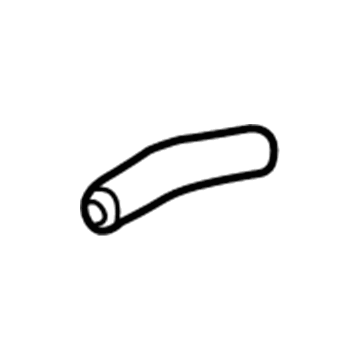
Mazda Protege Connector Hose Part Number: BJ0E-42-231
Mazda Protege Fuel Hose
Looking for Fuel Hose with proven quality? Choose OEM Fuel Hose. Mazda designs and builds them to strict factory specs. Every piece goes through rigorous quality checks. You'll get parts that fit right and work like new. Shop our huge inventory of OEM Mazda Protege parts. Enjoy the highly competitive prices online. Our site is your one-stop shop. Each genuine Protege part includes a manufacturer's warranty. Buy with confidence. Our return policy is simple and hassle-free. In a rush? Choose expedited delivery at checkout. You'll love the streamlined experience from search to checkout to receiving your order.
Mazda Protege Fuel Hose Parts and Q&A
- Q:How should fuel pressure be relieved before servicing fuel hose or fittings on Mazda Protege?A:The pressure in the fuel line should be relieved always. Metal fuel supply and vapor lines run from the Fuel Tank to the engine compartment and are fastened to the underbody or frame with plastic retainers. Flexible hoses connect metal lines to either the fuel tank, fuel filter or a Fuel Rail. Fuel lines must be inspected periodically for leaks or damage. Repair of metal lines can be done using steel tubing of the damaged part's diameter, with the correct fittings. However, flexible lines must be replaced with factory parts as high pressures are involved. Do not use rubber hoses and clamps for repairs on steel lines, which are only to be used on flexible hydraulic lines. During disassembly, if the system or fuel filter has contamination visible, disconnect and blow out the line, and check the fuel strainer on the Fuel Pump module for damage. Fuel lines or hoses should not be routed within four inches of any part of the exhaust system or within ten inches of the catalytic converter and must not chafe against the engine, body, or frame. There must be at least a 1/4-inch clearance. While removing the fuel line, unbolt all the bolts attaching the fuel line to the body of the unit. Also, do keep in mind the high pressure. Fuel lines installed on fuel-injected vehicles need a high-pressure system. For replacement of steel fuel line or emission line, install steel tubing approved by the manufacturer (i.e. the manufacturer of your vehicle, engine or kit) as copper or aluminium tubing will not withstand typical vibration of the automobile. Certain fuel lines come equipped with threaded fittings that contain O-rings. When taking these apart, always use a flare-nut wrench and a backup wrench. Check all O-rings for cuts or deterioration and replace any that look worn or damaged. Use a component that is either OE or equal at a minimum when replacing lines. Mazda uses a lot of types of connection methods to connect the fuel lines. Most flexible fuel lines are attached using conventional clamps that can be removed with pliers or a screwdriver. This way, you can ensure that there is a proper overlap. Also, remember to attach a new hose clamp between the rubber hose and metal lines when connecting it. The 1999 and later models have plastic fuel lines with quick-disconnect fittings. Remove the lock clip and rotate the tab to release these fittings to separate the lines. Prior to doing this, clean the area around the fittings. Quick-connect fittings are not subject to servicing, and damaged lines must be replaced. Removing the line will have to start with the engine oil of the machine. The first process of cleaning the disable quick-connect fittings and wipe them with a lint-free cloth in case we have two ends of line fittings in the engine. Meantime installing of line it will identify by black letters or otherwise find out by internal spring lock and cautioning new O-rings at threaded fittings if equipped and finally when by switching key On-Off several time while check leaks before start engine.

Related Mazda Protege Parts
 Mazda Protege Air Filter
 Mazda Protege Air Intake Hose
 Mazda Protege Fuel Filter
 Mazda Protege Fuel Pump
 Mazda Protege Air Duct
 Mazda Protege Ambient Temperature Sensor
 Mazda Protege Fuel Filler Neck
 Mazda Protege Fuel Level Sensor
 Mazda Protege Fuel Pump Gasket
 Mazda Protege Fuel Tank Strap
 Mazda Protege Temperature Sender
 Mazda Protege Throttle Cable