×
- Hello
- Login or Register
- Quick Links
- Live Chat
- Track Order
- Parts Availability
- RMA
- Help Center
- Contact Us
- Shop for
- Mazda Parts

My Garage
My Account
Cart
Genuine Mazda Protege Thermostat
Engine Coolant Thermostat- Select Vehicle by Model
- Select Vehicle by VIN
Select Vehicle by Model
orMake
Model
Year
Select Vehicle by VIN
For the most accurate results, select vehicle by your VIN (Vehicle Identification Number).
4 Thermostats found
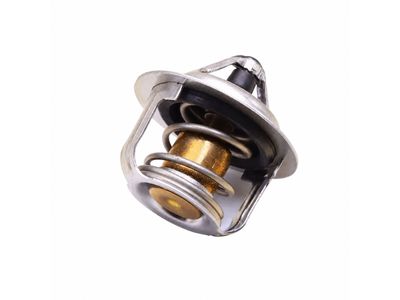
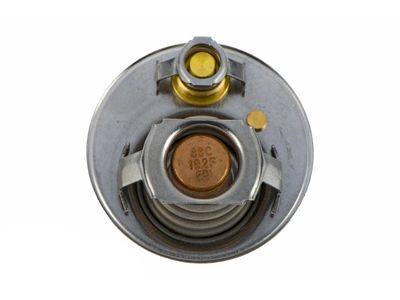
Mazda Protege Thermostat Part Number: BP6F-15-171A
$37.01 MSRP: $49.36You Save: $12.35 (26%)Ships in 1-2 Business Days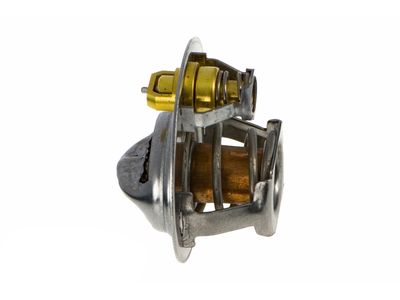
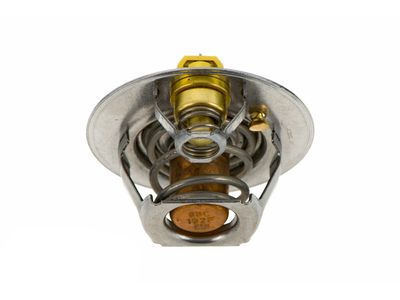
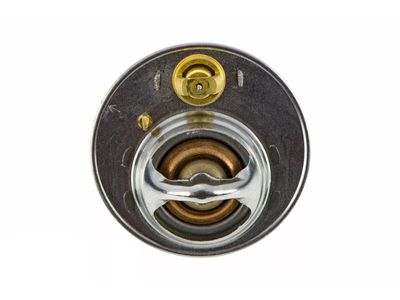
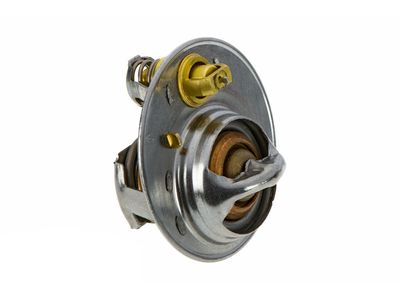
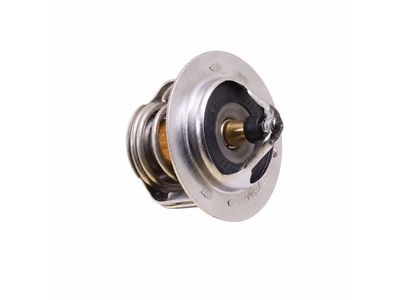
Mazda Protege Thermostat Part Number: 8AK1-15-171-9U
$23.04 MSRP: $30.72You Save: $7.68 (25%)Ships in 1-2 Business Days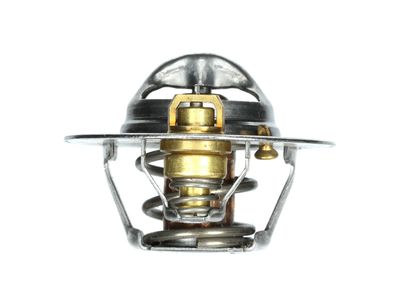
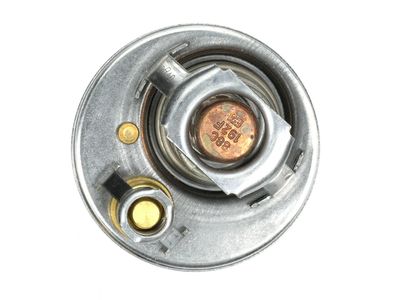
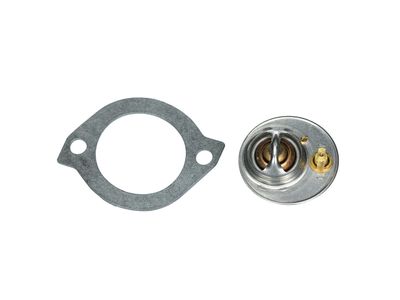
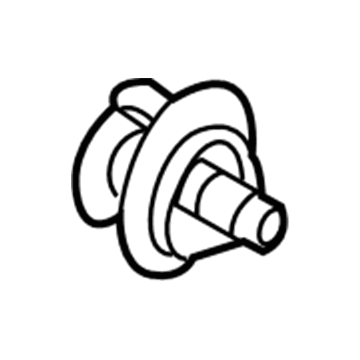
Mazda Protege Thermostat Part Number: 8AB8-15-171-9U
$30.59 MSRP: $40.79You Save: $10.20 (26%)Ships in 1-2 Business Days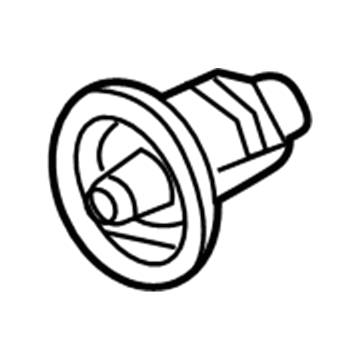
Mazda Protege Thermostat Part Number: KL01-15-171A-9U
$26.00 MSRP: $34.67You Save: $8.67 (26%)Ships in 1-2 Business Days
Mazda Protege Thermostat
Looking for Thermostat with proven quality? Choose OEM Thermostat. Mazda designs and builds them to strict factory specs. Every piece goes through rigorous quality checks. You'll get parts that fit right and work like new. Shop our huge inventory of OEM Mazda Protege parts. Enjoy the highly competitive prices online. Our site is your one-stop shop. Each genuine Protege part includes a manufacturer's warranty. Buy with confidence. Our return policy is simple and hassle-free. In a rush? Choose expedited delivery at checkout. You'll love the streamlined experience from search to checkout to receiving your order.
Mazda Protege Thermostat Parts and Q&A
- Q:What steps should be taken before assuming the thermostat is responsible for a cooling system problem on Mazda Protege?A:Make sure the level of the coolant, the tension of the drive belt, and the work of temperature gauge or light on the thermostat are checked before blaming the thermostat as the culprit in a cooling system issue. In case the engine is slow to warm up, then the thermostat must be stuck open and changed. In case the engine is hot and the lower Radiator hose is not, then the thermostat might be clogged shut and therefore the thermostat will require replacement as it is not letting the coolant pass through the radiator. One should be careful since driving without a thermostat may produce poor emissions and fuel economy. When the lower radiator hose is hot, it means that the coolant is circulating and the thermostat is open. In order to remove the thermostat, unplug the negative power line on the battery, empty the radiator, and unplug the thermoswitch electrical connector on the thermal covering. Take off the radiator hose clamp and loosen the hose on the thermostat cover which may be left in place provided the cover is not being changed. Disassemble the thermostat cover of the engine and prepare to deal with the spill of coolant and then take out the thermostat, with a note of its way of installing it. Wipe down the sealing surfaces and then fix the new thermostat, spring end to the engine and bypass hole to the top. Install a new gasket, making sure that it fits correctly and the print side will be facing the cylinder head in later models. Install Revert the removal steps and tighten the screws connecting the thermostat cover to the required torque, refill the cooling system, start the engine, and inspect for leakage and functionality.
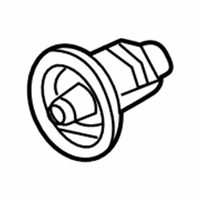
Related Mazda Protege Parts
 Mazda Protege Radiator
 Mazda Protege Radiator Cap
 Mazda Protege Coolant Reservoir
 Mazda Protege Coolant Pipe
 Mazda Protege Drive Belt
 Mazda Protege Fan Shroud
 Mazda Protege Radiator fan
 Mazda Protege Thermostat Gasket
 Mazda Protege Thermostat Housing
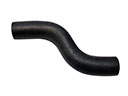 Mazda Protege Water Hose
 Mazda Protege Water Pump Gasket
 Mazda Protege Water Pump Pulley