×
- Hello
- Login or Register
- Quick Links
- Live Chat
- Track Order
- Parts Availability
- RMA
- Help Center
- Contact Us
- Shop for
- Mazda Parts

My Garage
My Account
Cart
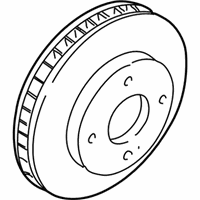
Genuine Mazda Tribute Brake Rotor
Disc Rotor- Select Vehicle by Model
- Select Vehicle by VIN
Select Vehicle by Model
orMake
Model
Year
Select Vehicle by VIN
For the most accurate results, select vehicle by your VIN (Vehicle Identification Number).
3 Brake Rotors found
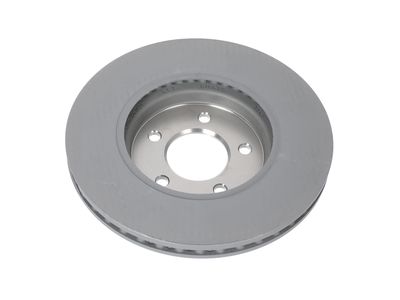
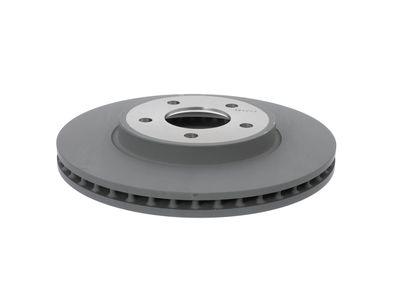
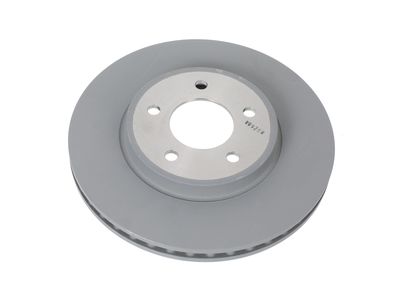
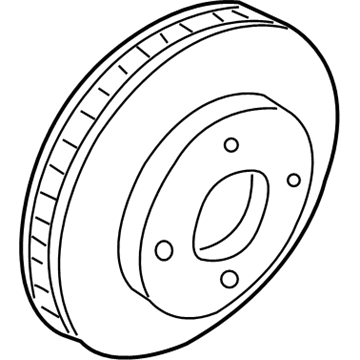
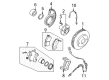
Mazda Tribute Rotor Part Number: ZZDL-33-25X
$81.70 MSRP: $108.95You Save: $27.25 (26%)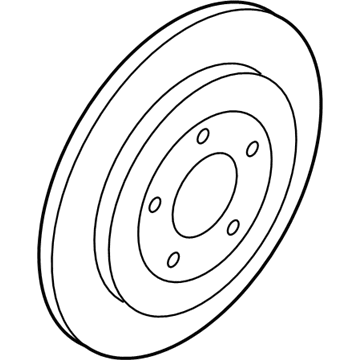
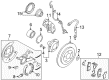
Mazda Tribute Disc Part Number: EF91-26-251A
$70.19 MSRP: $93.60You Save: $23.41 (26%)Ships in 1-2 Business Days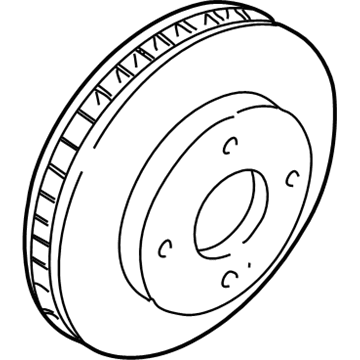
Mazda Tribute Rotor Part Number: EF9Y-33-25X
$77.20 MSRP: $102.95You Save: $25.75 (26%)Ships in 1-2 Business Days
Mazda Tribute Brake Rotor
Looking for Brake Rotor with proven quality? Choose OEM Brake Rotor. Mazda designs and builds them to strict factory specs. Every piece goes through rigorous quality checks. You'll get parts that fit right and work like new. Shop our huge inventory of OEM Mazda Tribute parts. Enjoy the highly competitive prices online. Our site is your one-stop shop. Each genuine Tribute part includes a manufacturer's warranty. Buy with confidence. Our return policy is simple and hassle-free. In a rush? Choose expedited delivery at checkout. You'll love the streamlined experience from search to checkout to receiving your order.
Mazda Tribute Brake Rotor Parts and Q&A
- Q:How to properly replace a Brake Rotor on Mazda Tribute?A:Loose the lug nuts of the wheels, lift the car and hold it in place on jackstands. Take the wheel off and attach the lug nuts so that the rotor can be clamped to the hub flange, in case the lug nuts do not make contact with the rotor after screwing them all the way, place the washers under the lug nuts. Take off the caliper of the brake, but leave the brake hose attached, and hold out of reach with a piece of wire. Removal of caliper mounting bracket-to-knuckle bolts and removal of the mounting bracket is required of front brakes or rear brakes on 2013 and later models. Check visually the rotor surface, score marks and other damage; shallow scratches and light grooves are normal, but when there is deep scoring, the rotor must be removed and refinished using an automotive machine shop. Look at either side of the rotor, extreme wear can require replacement. When pulsating during a brake application, the possibility of rotor runout suspect. To verify runout, position a dial indicator at approximately 1/2-inch out of the outer rotor edge, position the dial indicator to zero, and turn the rotor, the value must not be above the allowable runout limit, and in case it is, the rotor must be refinished. Dial indicator notwithstanding, rotors must be resurfaced to give a smooth finish and clean up to give a perfectly smooth surface and no brake pedal doubting effect. Unless reproved, wipe off the surface of the glaze with emery cloth or sandpaper in a swirling action. Do not machine the rotor to a thickness that is less than the required minimum thickness that has been cast or stamped into the inside of the rotor and verify the thickness by use of a micrometer. Unscrew the lug nuts that were used to hold in the rotor and remove the rotor off the hub. Install the caliper mounting bracket and caliper and place the new rotor in place and over the threaded studs. Installing a wheel, lowering the vehicle to the ground and screwing the lug nuts to stipulated level. Squeeze on the brake pedal several times to ensure that the Brake Pads are in contact with the Brake Rotor and ensure that the brakes are working well and then test-drive the vehicle.
Related Mazda Tribute Parts
 Mazda Tribute Brake Caliper
 Mazda Tribute ABS Reluctor Ring
 Mazda Tribute Brake Booster Vacuum Hose
 Mazda Tribute Brake Caliper Repair Kit
 Mazda Tribute Brake Controller
 Mazda Tribute Brake Drum
 Mazda Tribute Brake Dust Shields
 Mazda Tribute Brake Line
 Mazda Tribute Brake Shoe Set
 Mazda Tribute Wheel Cylinder
 Mazda Tribute Wheel Hub Bolt
 Mazda Tribute Wheel Stud