×
- Hello
- Login or Register
- Quick Links
- Live Chat
- Track Order
- Parts Availability
- RMA
- Help Center
- Contact Us
- Shop for
- Mazda Parts

My Garage
My Account
Cart
Genuine Mazda Tribute Wheel Cylinder
Brake Wheel Cylinder- Select Vehicle by Model
- Select Vehicle by VIN
Select Vehicle by Model
orMake
Model
Year
Select Vehicle by VIN
For the most accurate results, select vehicle by your VIN (Vehicle Identification Number).
2 Wheel Cylinders found
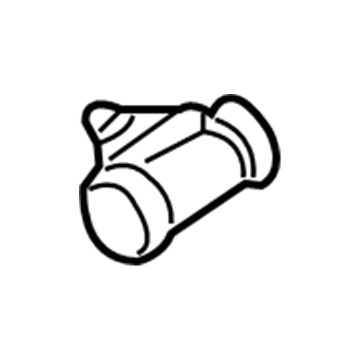
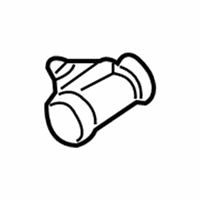
Mazda Tribute Wheel Cylinder Part Number: ZZC0-26-410
$48.66 MSRP: $64.90You Save: $16.24 (26%)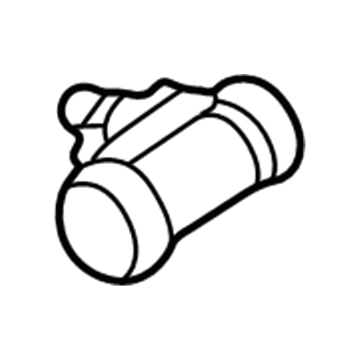
Mazda Tribute Wheel Cylinder Part Number: ECY1-26-710A
$49.51 MSRP: $66.03You Save: $16.52 (26%)Ships in 1-2 Business Days
Mazda Tribute Wheel Cylinder
Looking for Wheel Cylinder with proven quality? Choose OEM Wheel Cylinder. Mazda designs and builds them to strict factory specs. Every piece goes through rigorous quality checks. You'll get parts that fit right and work like new. Shop our huge inventory of OEM Mazda Tribute parts. Enjoy the highly competitive prices online. Our site is your one-stop shop. Each genuine Tribute part includes a manufacturer's warranty. Buy with confidence. Our return policy is simple and hassle-free. In a rush? Choose expedited delivery at checkout. You'll love the streamlined experience from search to checkout to receiving your order.
Mazda Tribute Wheel Cylinder Parts and Q&A
- Q:Should wheel cylinders be replaced in pairs due to fluid leakage or sticky operation on Mazda Tribute?A:Where possible, instead of overhauling, the wheel cylinders are advised to be replaced in groups of two in case there is leakage of fluid or sticking operation. Start by lifting the back of the car and firmly placing it on jackstands, and block the front wheels so that it does not roll. Take out the brake shoe assembly and then wipe all the dirt or foreign matter around the wheel cylinder. Unscrew the Brake Line without detaching it off the wheel cylinder then release the wheel cylinder mounting bolts. Unscrew the wheel cylinder off the brake backing plate and immediately seal the brake line in order to avoid loss and contamination of fluid. Installation follows by fitting the new wheel cylinder and putting in the bolts finger-tight then ensuring the brake line is connected without cross threading. Install the brake line fitting, tighten the wheel cylinder installation bolts to the torque required and check the installation correctly. Refit the brake shoe assembly, bleed the brakes and ensure the brakes are functioning properly before driving the vehicle.
Related Mazda Tribute Parts
 Mazda Tribute Brake Pads
 Mazda Tribute ABS Sensor
 Mazda Tribute Brake Caliper
 Mazda Tribute ABS Reluctor Ring
 Mazda Tribute Brake Caliper Repair Kit
 Mazda Tribute Brake Drum
 Mazda Tribute Brake Rotor
 Mazda Tribute Brake Shoe Set
 Mazda Tribute Parking Brake Shoes
 Mazda Tribute Wheel Hub
 Mazda Tribute Wheel Hub Bolt
 Mazda Tribute Wheel Stud