×
- Hello
- Login or Register
- Quick Links
- Live Chat
- Track Order
- Parts Availability
- RMA
- Help Center
- Contact Us
- Shop for
- Mazda Parts

My Garage
My Account
Cart
Genuine Mazda Tribute Fuel Hose
- Select Vehicle by Model
- Select Vehicle by VIN
Select Vehicle by Model
orMake
Model
Year
Select Vehicle by VIN
For the most accurate results, select vehicle by your VIN (Vehicle Identification Number).
6 Fuel Hoses found
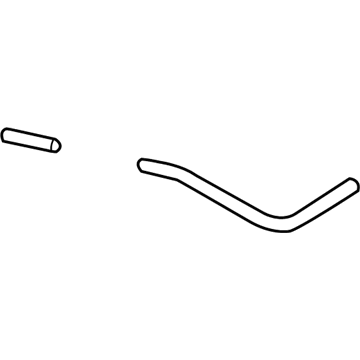
Mazda Tribute Filler Tube Part Number: EC05-42-232
$20.98 MSRP: $27.97You Save: $6.99 (25%)Ships in 1-2 Business Days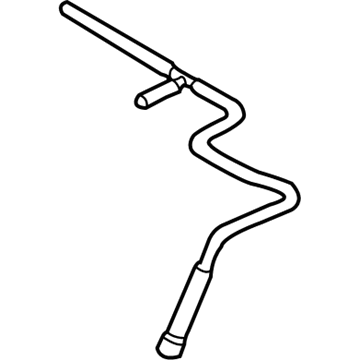
Mazda Tribute Vapor Hose Part Number: EC01-42-56X
$48.04 MSRP: $64.06You Save: $16.02 (26%)Ships in 1-2 Business DaysMazda Tribute Filler Tube Part Number: EC01-42-23XC
$287.51 MSRP: $383.42You Save: $95.91 (26%)Mazda Tribute Vapor Hose Part Number: EC05-42-56XD
Mazda Tribute Vapor Hose Part Number: EC05-42-56XC

Mazda Tribute Hose Part Number: EC01-42-231B
Mazda Tribute Fuel Hose
Looking for Fuel Hose with proven quality? Choose OEM Fuel Hose. Mazda designs and builds them to strict factory specs. Every piece goes through rigorous quality checks. You'll get parts that fit right and work like new. Shop our huge inventory of OEM Mazda Tribute parts. Enjoy the highly competitive prices online. Our site is your one-stop shop. Each genuine Tribute part includes a manufacturer's warranty. Buy with confidence. Our return policy is simple and hassle-free. In a rush? Choose expedited delivery at checkout. You'll love the streamlined experience from search to checkout to receiving your order.
Mazda Tribute Fuel Hose Parts and Q&A
- Q:How should fuel pressure be relieved and what precautions should be taken before servicing fuel hose or fittings on Mazda Tribute?A:Before you disconnect any fuel lines or fittings, make sure to relieve the fuel pressure, then disconnect the cable from the negative battery terminal. The fuel supply line links the Fuel Pump within the Fuel Tank to the Fuel Rail mounted on the engine. The Evaporative Emissions Control, or EVAP, system is connected to the fuel tank and evaporative emissions canister and then from that canister to the intake manifold. While you are working under the vehicle, you should also check all fuel and evaporative emission lines for leaks, kinks, dents and other damage. Any that you find should be replaced immediately. Upon disassembly, if dirt can be observed in any of the lines, disconnect all lines and blow them out with compressed air. Inspect the fuel strainer on the fuel pump pick-up unit for damage or deterioration. It is important that fuel lines be replaced by lines of the same type and specification. Some steel fuel lines have threaded fittings which will require that the wrench hold the stationary fitting while turning the tube nut. Only use original equipment replacement tubing in place of plastic tubing. This tubing is not heat resistant and should not be bent or twisted. Do not expose to excessive heat. To use flexible hoses, use original equipment replacements. Without routing fuel hoses or metal lines within 4 inches of the exhaust system, or within 10 inches of the cat. con. When they touch the vehicle, many hoses may rub against one other. The more rubber hoses that touch the vehicle or one another, especially in vibration areas, the more chance of chafing and leaks. Maintain at least 1/4-inch clearance around hoses or metal lines to prevent touching the vehicle underbody.

Related Mazda Tribute Parts
 Mazda Tribute Accelerator Cable
 Mazda Tribute Fuel Pump
 Mazda Tribute Throttle Cable
 Mazda Tribute Accelerator Pedal
 Mazda Tribute Fuel Filler Hose
 Mazda Tribute Fuel Filler Neck
 Mazda Tribute Fuel Pressure Sensor
 Mazda Tribute Fuel Pump Driver Module
 Mazda Tribute Fuel Pump Gasket
 Mazda Tribute Fuel Tank
 Mazda Tribute Fuel Tank Strap
 Mazda Tribute Gas Cap