×
- Hello
- Login or Register
- Quick Links
- Live Chat
- Track Order
- Parts Availability
- RMA
- Help Center
- Contact Us
- Shop for
- Mazda Parts

My Garage
My Account
Cart
Genuine Mazda Tribute Fuel Tank
Gas Tank- Select Vehicle by Model
- Select Vehicle by VIN
Select Vehicle by Model
orMake
Model
Year
Select Vehicle by VIN
For the most accurate results, select vehicle by your VIN (Vehicle Identification Number).
6 Fuel Tanks found
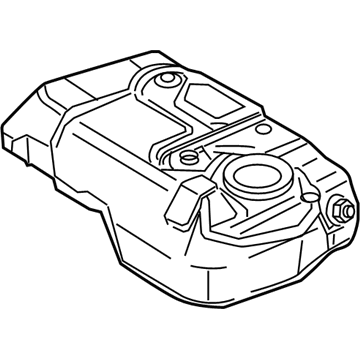
Mazda Tribute Fuel Tank Part Number: ZZCA-42-110A
$700.79 MSRP: $957.56You Save: $256.77 (27%)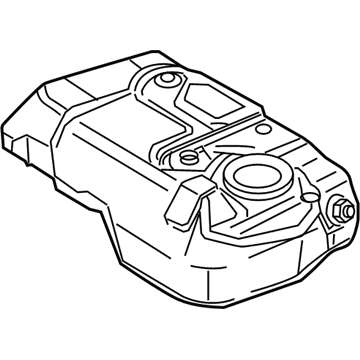
Mazda Tribute Fuel Tank Part Number: ZZE4-42-110A
Mazda Tribute Fuel Tank Part Number: ZZC4-42-110A
Mazda Tribute Fuel Tank Part Number: ZZC2-42-110
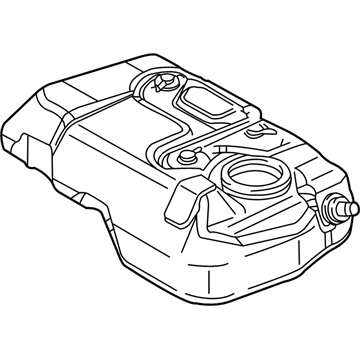
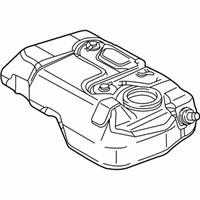
Mazda Tribute Fuel Tank Part Number: ZZC0-42-110B
Mazda Tribute Fuel Tank Part Number: ECTT-42-110D
Mazda Tribute Fuel Tank
Looking for Fuel Tank with proven quality? Choose OEM Fuel Tank. Mazda designs and builds them to strict factory specs. Every piece goes through rigorous quality checks. You'll get parts that fit right and work like new. Shop our huge inventory of OEM Mazda Tribute parts. Enjoy the highly competitive prices online. Our site is your one-stop shop. Each genuine Tribute part includes a manufacturer's warranty. Buy with confidence. Our return policy is simple and hassle-free. In a rush? Choose expedited delivery at checkout. You'll love the streamlined experience from search to checkout to receiving your order.
Mazda Tribute Fuel Tank Parts and Q&A
- Q:How to remove the fuel tank on Mazda Tribute?A:To take the fuel tank out, it is more convenient to do it when it is almost full; in case you cannot do it, pump out the fuel first. Begin with releasing the pressure of the fuel system and unscrewing the negative battery terminal. In 2012 and older models, the electrical connectors of the Fuel Pump and fuel pressure sensor and the fuel line(s) should be disconnected. In case the tank has not been filled up, siphon or use a hand-pump to empty the fuel, ideally through the access hole where the fuel pump module is found or the fuel filler neck. In 2008 and previous models, unscrew the lug nuts on the left rear wheel, lift up the vehicle on jackstands and then remove the left rear wheel. Open the rivets with the fuel filler hose shield and pull them out, disconnect the fuel tank filler hose and vent hose. Disassemble the muffler, and on 4WD models, the driveshaft and the differential mounting bolts. Secure the fuel tank by using a transmission jack or a floor jack and secure it with plywood and disconnect the EVAP hose and parking brake retainer. In 2009 and 2012 models, repeat the same steps, but add to them these steps, raising the vehicle, removing the muffler and resonator, and cutting off the filler hose. On 2013 and subsequent models, raise the car, take off the underside panels, unscrew the exhaust system, and dis-connect a variety of lines and fittings. Lastly, un-bolt and un-strap the fuel tank, pull the tank down to break any remaining attaching parts and push it all the way down. Installation is the opposite of removing, where it is necessary to install the O-ring and make sure that there is no leakage after turning on the key to Run. On the 2012 and older models, one would have to reconnect the battery to have the Powertrain Control Module relearn its idle and fuel trim strategy to achieve optimal performance.
Related Mazda Tribute Parts
 Mazda Tribute Accelerator Cable
 Mazda Tribute Throttle Cable
 Mazda Tribute Accelerator Pedal
 Mazda Tribute Fuel Filler Hose
 Mazda Tribute Fuel Filler Neck
 Mazda Tribute Fuel Hose
 Mazda Tribute Fuel Level Sensor
 Mazda Tribute Fuel Pressure Sensor
 Mazda Tribute Fuel Pump Driver Module
 Mazda Tribute Fuel Pump Gasket
 Mazda Tribute Fuel Tank Strap
 Mazda Tribute Gas Cap