×
- Hello
- Login or Register
- Quick Links
- Live Chat
- Track Order
- Parts Availability
- RMA
- Help Center
- Contact Us
- Shop for
- Mazda Parts

My Garage
My Account
Cart
Genuine Mazda MX-5 Miata Fuel Hose
- Select Vehicle by Model
- Select Vehicle by VIN
Select Vehicle by Model
orMake
Model
Year
Select Vehicle by VIN
For the most accurate results, select vehicle by your VIN (Vehicle Identification Number).
3 Fuel Hoses found
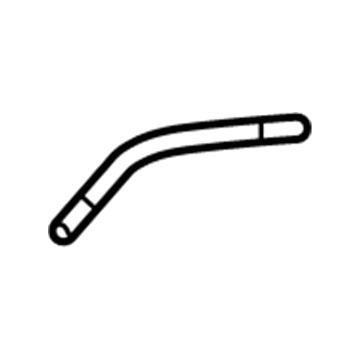
Mazda MX-5 Miata Filler Hose Part Number: NE51-42-231B
$63.70 MSRP: $84.96You Save: $21.26 (26%)Ships in 1-2 Business Days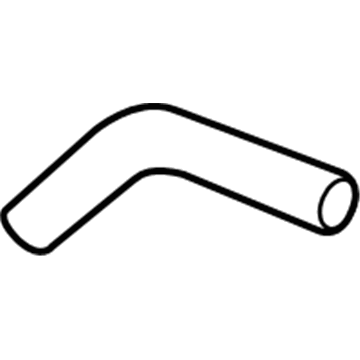
Mazda MX-5 Miata Connector Hose Part Number: N243-42-231B
$64.08 MSRP: $85.45You Save: $21.37 (26%)Ships in 1-2 Business Days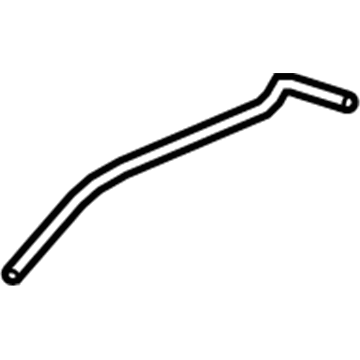
Mazda MX-5 Miata Breather Tube Part Number: NE51-42-232B
Mazda MX-5 Miata Fuel Hose
Looking for Fuel Hose with proven quality? Choose OEM Fuel Hose. Mazda designs and builds them to strict factory specs. Every piece goes through rigorous quality checks. You'll get parts that fit right and work like new. Shop our huge inventory of OEM Mazda MX-5 Miata parts. Enjoy the highly competitive prices online. Our site is your one-stop shop. Each genuine MX-5 Miata part includes a manufacturer's warranty. Buy with confidence. Our return policy is simple and hassle-free. In a rush? Choose expedited delivery at checkout. You'll love the streamlined experience from search to checkout to receiving your order.
Mazda MX-5 Miata Fuel Hose Parts and Q&A
- Q:What should be inspected when raising a vehicle for service or component replacement, particularly regarding fuel hose and connections on Mazda MX-5 Miata?A:When the vehicle is raised for servicing or component replacement, such as an exhaust pipe hanger, inspect fuel lines and all fittings and connections for damage or deterioration. Inspect all pipes and hoses for cracks, kinks, deformation, or obstructions. Ensure that all hoses and pipe clips are correctly fastened to their associated components on the underside of the vehicle. Make sure that the hose clamps holding the rubber hoses to a metal fuel line or pipe are tight enough. If replacement of damaged sections is necessary, ensure that there are no substitutions. Such equipment replacement hose or pipe must be the same type as the type that is being replaced. It must not be made from inferior or inappropriate materials. Moreover, this ensures that there is no fuel leakage or a fire hazard. Before the disconnection of any part of the fuel line system, note down the routing of all hoses and pipes, and the orientation of all clamps and clips, so that replacement sections can be fitted in the same manner. Also, before disconnecting any component of the fuel system, relieve the pressure on the fuel line and tank.

Related Mazda MX-5 Miata Parts
 Mazda MX-5 Miata Accelerator Pedal
 Mazda MX-5 Miata Air Filter
 Mazda MX-5 Miata Fuel Filler Hose
 Mazda MX-5 Miata Fuel Filter
 Mazda MX-5 Miata Fuel Injection Pump
 Mazda MX-5 Miata Fuel Injector
 Mazda MX-5 Miata Fuel Injector O-Rings
 Mazda MX-5 Miata Fuel Pump
 Mazda MX-5 Miata Fuel Pump Strainer
 Mazda MX-5 Miata Gas Cap
 Mazda MX-5 Miata Intake Manifold
 Mazda MX-5 Miata Throttle Body Gasket