×
- Hello
- Login or Register
- Quick Links
- Live Chat
- Track Order
- Parts Availability
- RMA
- Help Center
- Contact Us
- Shop for
- Mazda Parts

My Garage
My Account
Cart
Genuine Mazda MX-5 Miata Fuel Pump
Gas Pump- Select Vehicle by Model
- Select Vehicle by VIN
Select Vehicle by Model
orMake
Model
Year
Select Vehicle by VIN
For the most accurate results, select vehicle by your VIN (Vehicle Identification Number).
8 Fuel Pumps found
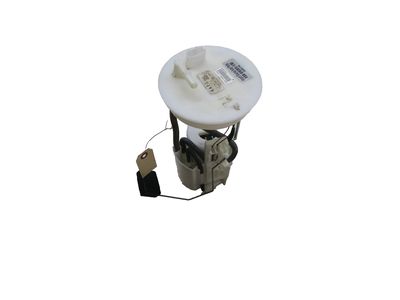
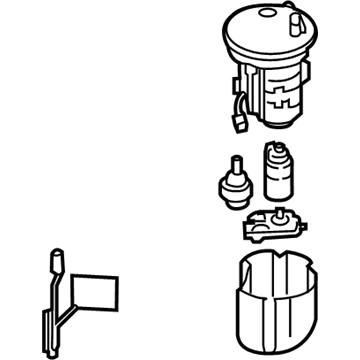
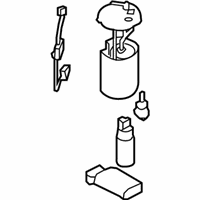
Mazda MX-5 Miata Fuel Pump Part Number: P59W-13-35XA
$363.73 MSRP: $485.06You Save: $121.33 (26%)Ships in 1-2 Business Days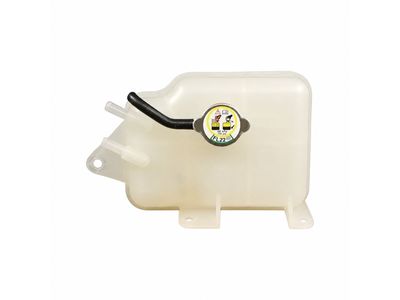

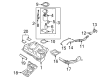
Mazda MX-5 Miata Pump Part Number: LFG1-13-350
$116.18 MSRP: $154.93You Save: $38.75 (26%)Ships in 1-2 Business Days
Mazda MX-5 Miata Fuel Pump Part Number: PE03-13-350
$192.66 MSRP: $256.93You Save: $64.27 (26%)Ships in 1-2 Business Days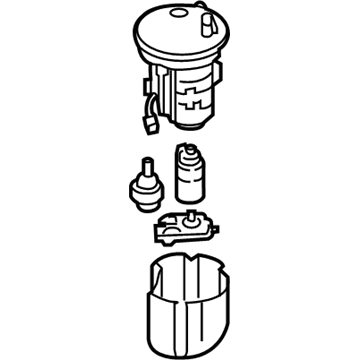
Mazda MX-5 Miata Fuel Pump Part Number: P59D-13-35ZA
$241.60 MSRP: $322.20You Save: $80.60 (26%)Ships in 1-2 Business Days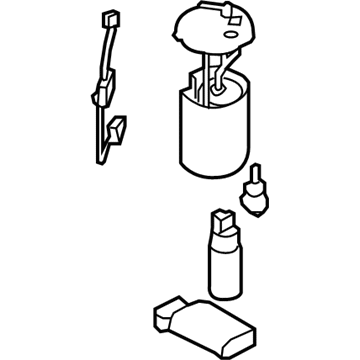
Mazda MX-5 Miata Fuel Pump Part Number: LFG1-13-35XA
$269.36 MSRP: $359.21You Save: $89.85 (26%)Ships in 1-2 Business Days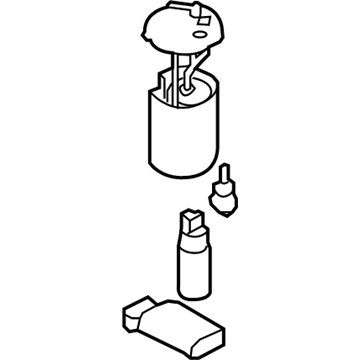
Mazda MX-5 Miata Fuel Pump Part Number: LFG1-13-35ZA
$389.38 MSRP: $523.48You Save: $134.10 (26%)Ships in 1-2 Business Days
Mazda MX-5 Miata Fuel Pump Part Number: P51B-20-3F0A
$487.02 MSRP: $654.73You Save: $167.71 (26%)Ships in 1-2 Business DaysMazda MX-5 Miata Fuel Pump Part Number: PE31-20-3F0
$583.77 MSRP: $784.79You Save: $201.02 (26%)Ships in 1-2 Business Days
Mazda MX-5 Miata Fuel Pump
Looking for Fuel Pump with proven quality? Choose OEM Fuel Pump. Mazda designs and builds them to strict factory specs. Every piece goes through rigorous quality checks. You'll get parts that fit right and work like new. Shop our huge inventory of OEM Mazda MX-5 Miata parts. Enjoy the highly competitive prices online. Our site is your one-stop shop. Each genuine MX-5 Miata part includes a manufacturer's warranty. Buy with confidence. Our return policy is simple and hassle-free. In a rush? Choose expedited delivery at checkout. You'll love the streamlined experience from search to checkout to receiving your order.
Mazda MX-5 Miata Fuel Pump Parts and Q&A
- Q:How to check the fuel pump operation and fuel pressure on Mazda MX-5 Miata?A:In 1997 and earlier models, the operation of the fuel pump can be checked by connecting the diagnostic connector terminals of F/P and GND with a jumper wire, removing the fuel filler cap and turning the ignition switch to ON without necessarily turning on the engine to listen to the sounds of the pump. In case the pump is not starting, trace the voltage on the fuel pump connector and verify the EFI fuse and relays as needed. In the case of fuel pressure, release system pressure, de-connect negative battery cable and attach fuel pressure gauge to a T-fitting placed on the fuel feed line. Start the engine and compare the fuel pressure indications, and in any case, check restricted areas and faulty parts. In 1999 model, 2005 models, and others, utilize a fuel pressure gauge, which can read 65 psi or higher and release the fuel pressure and disconnect the negative battery terminal. Install the gauge between the No. 1 fuel pulsation damper and the Fuel Rail and measure the fuel pressure at idle and see whether the hold pressure or not after switching off the engine. In 2006 and later models, repeat the steps, but with the correct gauge and fittings, making sure to short the terminals of the fuel pump check connector to ground to test. Check fuel pressure, priming pump and leak or faulty parts (where necessary). Never leave the battery unattached and never leave the tests without checking the battery after the tests.
- Q:How to remove and install the fuel pump and fuel sending unit on Mazda MX-5 Miata?A:On older models (before 2005) the first step is to dismount a fuel tank cap and depressurize the fuel system. Unplug the cable of the negative pole of the battery, and pull out the package shelf trim behind the seats and fuel pump access cover. Disconnect the electrical connector attached on the top of the fuel pump, remove the fuel supply and return hose and remove the fuel pump retaining screws. Using great care, remove the fuel pump assembly, disconnect the electrical connector and position the hose clamp out of the pump fitting. Unscrew band that holds the pump to the bracket and unscrew the bracket with the rubber mount and unscrew the fuel pump. Check the sock filter and change it in case of contamination. To install, undo the process of removing, make sure to install a new set of O-rings and tank seal and then fit the pump firmly against the pad of the bracket. In models 2006 and beyond, turn off the fuel pressure and remove the negative battery terminal. Take out the center console, quarter trim, scuff plate, tire house trim, aero board, front seat back bar garnish, and back trim. Dislocate the electrical connector and the quick-release fitting of the fuel pump, the cover, and the fasteners of the fuel pump service hole cover. Unscrew the screws of the fuel pump retainer plate and the retainer plate together with its gasket and then remove the fuel pump out of the tank. It should be noted that none of the components of the fuel tank can be serviced independently; it is recommended to replace the entire pump in case one of the parts is faulty. Removal is inversely followed by installation.
Related Mazda MX-5 Miata Parts
 Mazda MX-5 Miata Air Duct
 Mazda MX-5 Miata Air Filter
 Mazda MX-5 Miata Fuel Filler Neck
 Mazda MX-5 Miata Fuel Injection Pump
 Mazda MX-5 Miata Fuel Line Clamps
 Mazda MX-5 Miata Fuel Rail
 Mazda MX-5 Miata Fuel Tank Lock Ring
 Mazda MX-5 Miata Intake Manifold
 Mazda MX-5 Miata Intake Manifold Gasket
 Mazda MX-5 Miata Mass Air Flow Sensor
 Mazda MX-5 Miata Throttle Body Gasket
 Mazda MX-5 Miata Throttle Position Sensor