×
- Hello
- Login or Register
- Quick Links
- Live Chat
- Track Order
- Parts Availability
- RMA
- Help Center
- Contact Us
- Shop for
- Mazda Parts

My Garage
My Account
Cart
Genuine Mazda 6 Brake Caliper
Caliper- Select Vehicle by Model
- Select Vehicle by VIN
Select Vehicle by Model
orMake
Model
Year
Select Vehicle by VIN
For the most accurate results, select vehicle by your VIN (Vehicle Identification Number).
25 Brake Calipers found
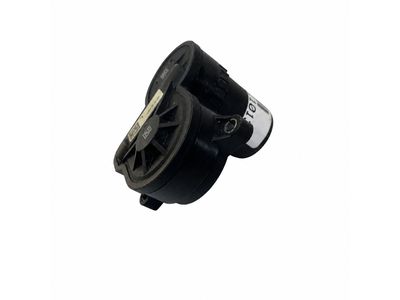
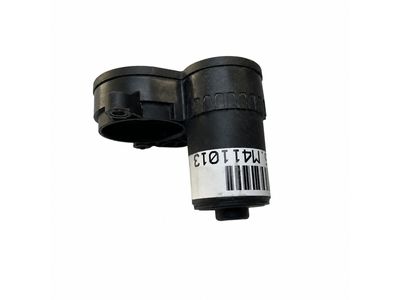
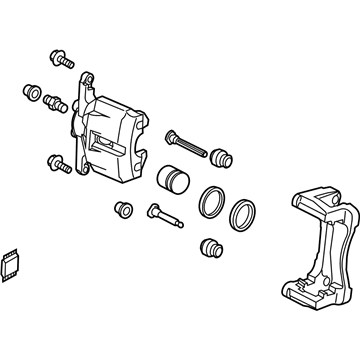
Mazda 6 Caliper Part Number: GHY9-33-99Z
$276.36 MSRP: $368.56You Save: $92.20 (26%)Ships in 1-2 Business Days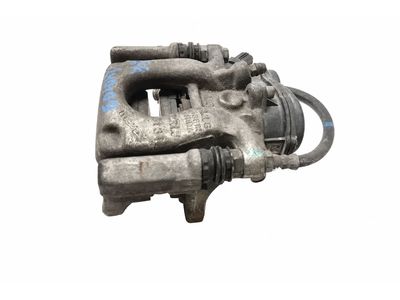
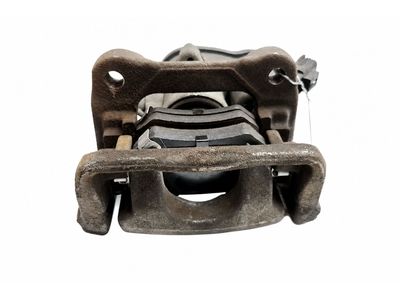
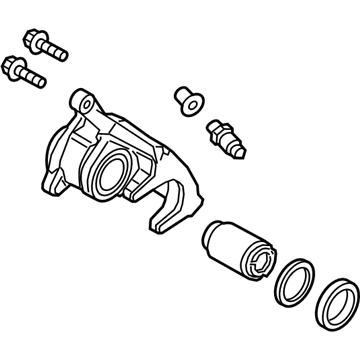
Mazda 6 Caliper Part Number: GMY0-26-71X
$352.34 MSRP: $469.88You Save: $117.54 (26%)Ships in 1-2 Business Days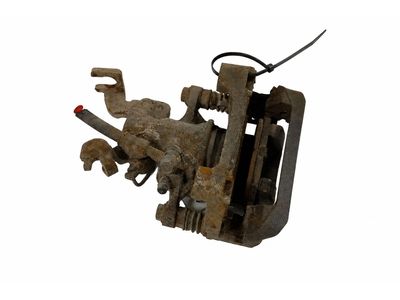
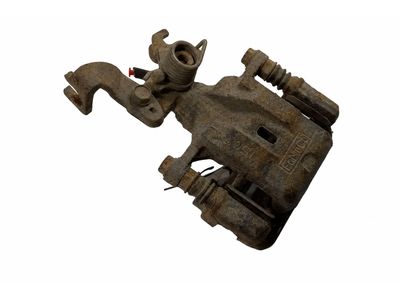
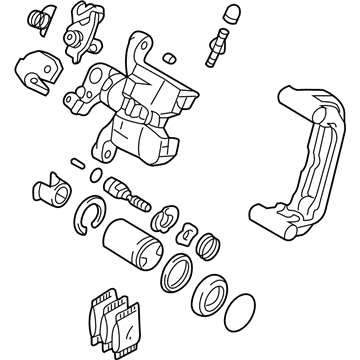
Mazda 6 Caliper Part Number: GNZB-26-99Z
$144.99 MSRP: $193.35You Save: $48.36 (26%)Ships in 1-2 Business Days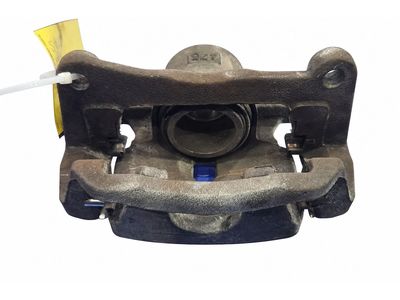
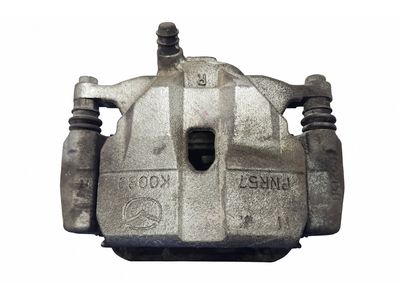
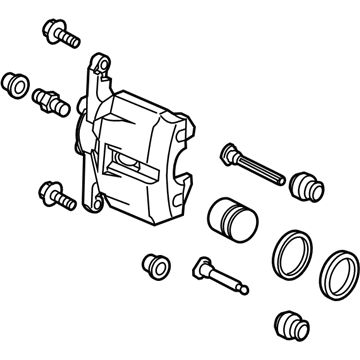
Mazda 6 Caliper Part Number: GHP9-33-61X
$219.15 MSRP: $292.27You Save: $73.12 (26%)Ships in 1-2 Business Days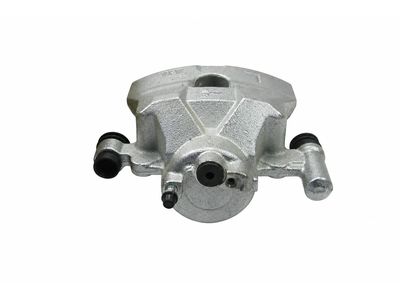
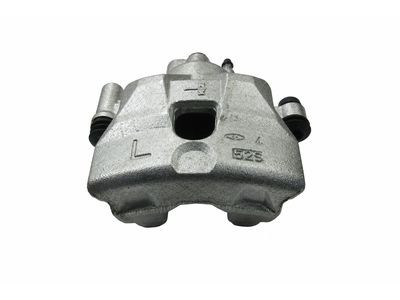
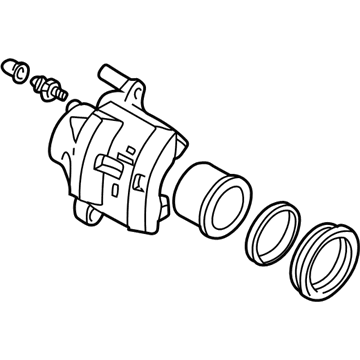
Mazda 6 Caliper Part Number: GJ6E-33-71XC
$229.26 MSRP: $305.74You Save: $76.48 (26%)Ships in 1-2 Business Days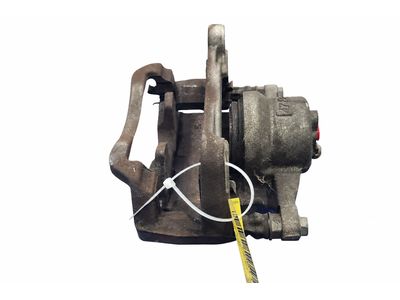
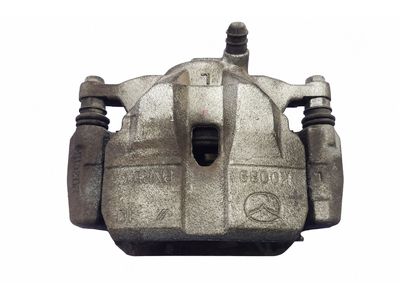
Mazda 6 Caliper Part Number: GHP9-33-71X
$230.79 MSRP: $307.78You Save: $76.99 (26%)Ships in 1-2 Business Days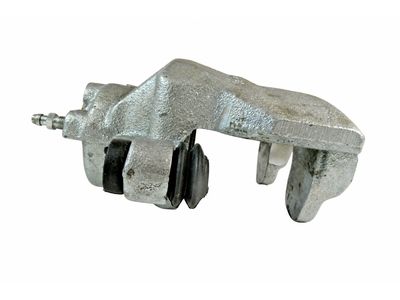
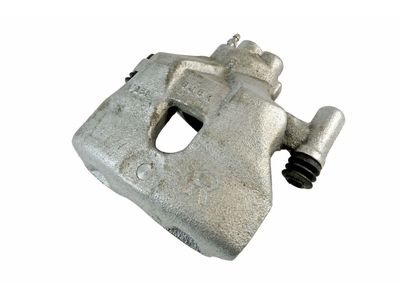
Mazda 6 Caliper Part Number: GJ6E-33-61XC
$231.26 MSRP: $308.42You Save: $77.16 (26%)Ships in 1-2 Business Days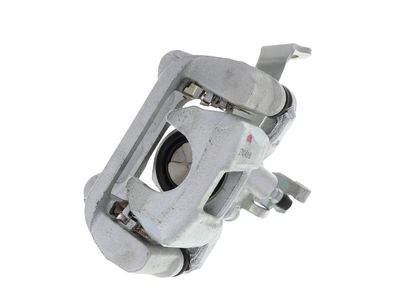
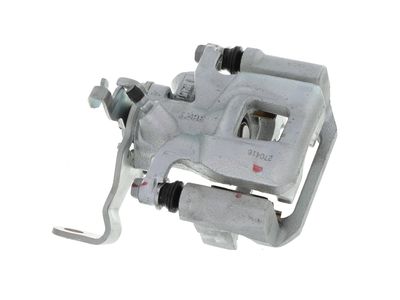
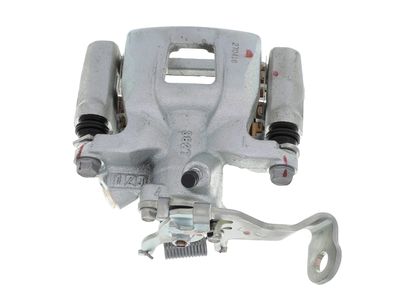
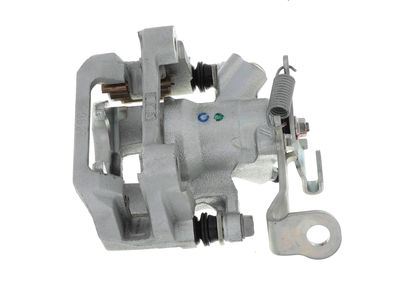
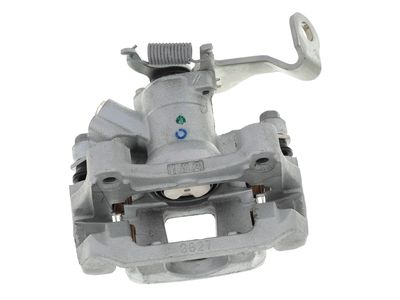
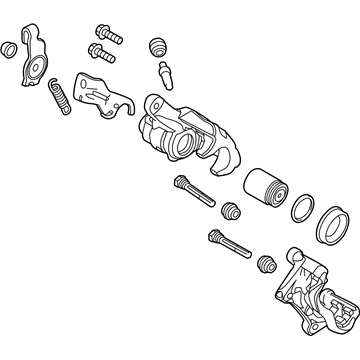
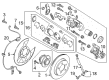
Mazda 6 Caliper Part Number: GHY9-26-99ZD
$258.54 MSRP: $344.78You Save: $86.24 (26%)Ships in 1-2 Business Days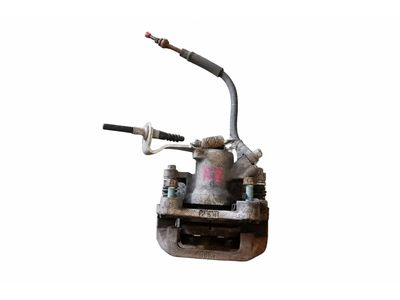
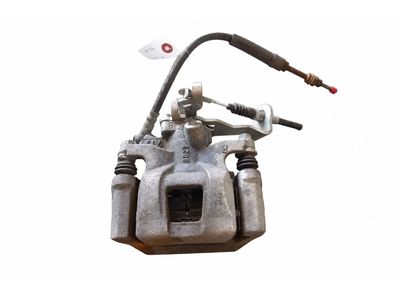
Mazda 6 Caliper Part Number: GHY9-26-98ZD
$258.54 MSRP: $344.78You Save: $86.24 (26%)Ships in 1-2 Business Days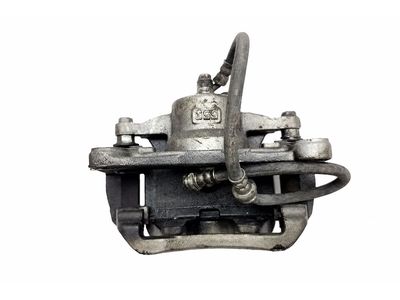
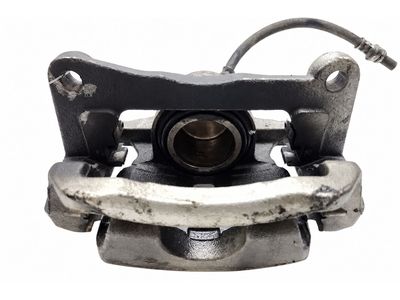
Mazda 6 Caliper Part Number: GHY9-33-98Z
$276.36 MSRP: $368.56You Save: $92.20 (26%)Ships in 1-2 Business Days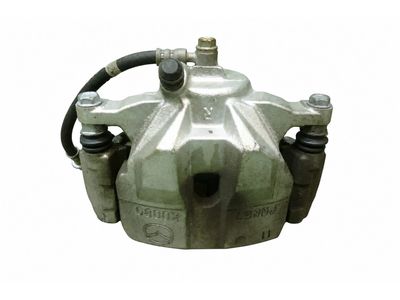
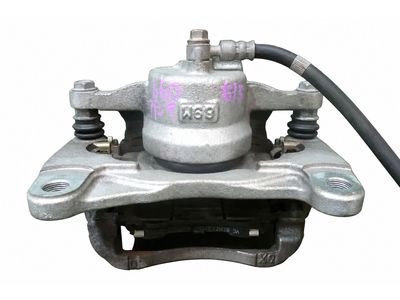
Mazda 6 Caliper Part Number: GSY3-33-98Z
$318.80 MSRP: $425.16You Save: $106.36 (26%)Ships in 1-2 Business Days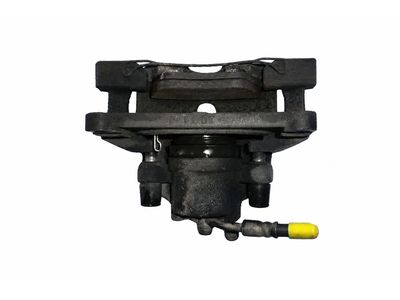
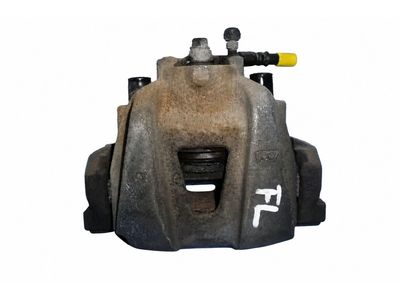
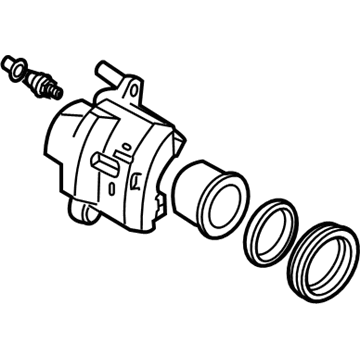
Mazda 6 Caliper Part Number: GPYA-33-71XA
$326.73 MSRP: $435.72You Save: $108.99 (26%)Ships in 1-2 Business Days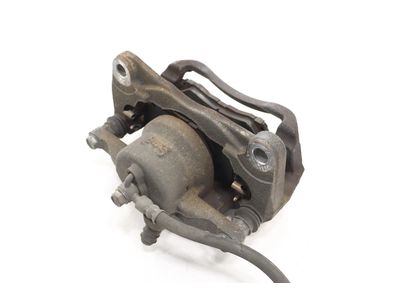
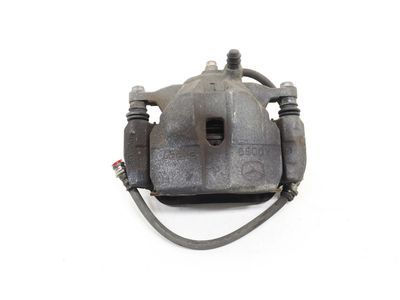
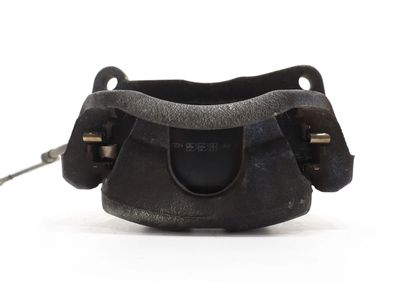
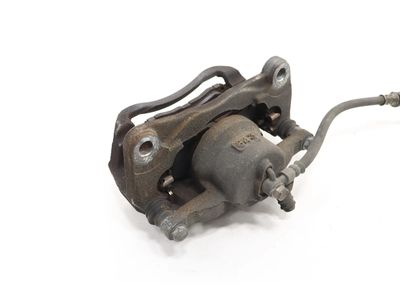
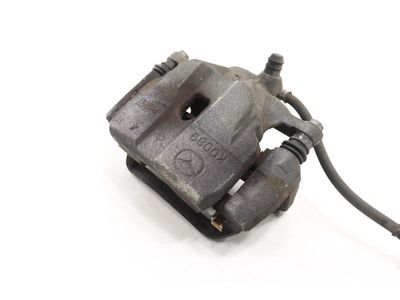
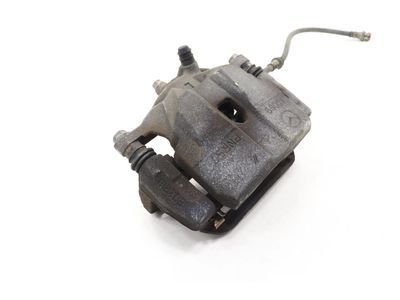
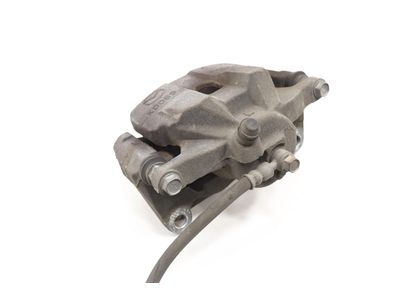
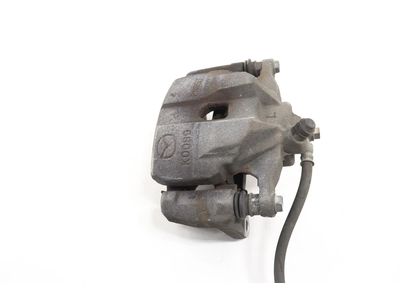
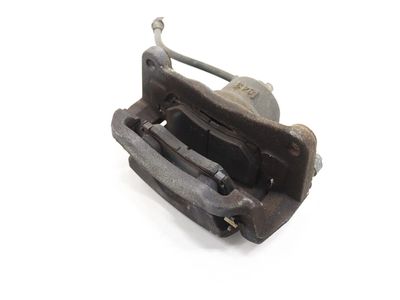
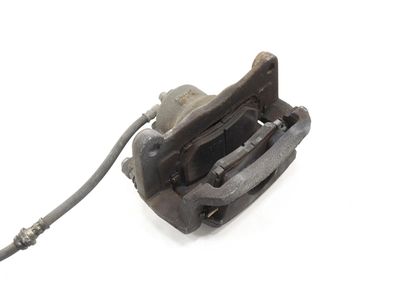
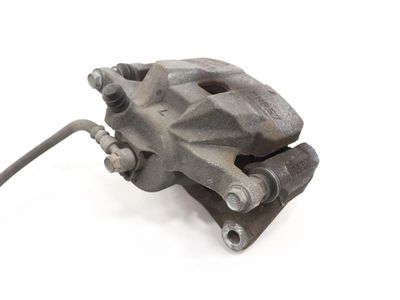
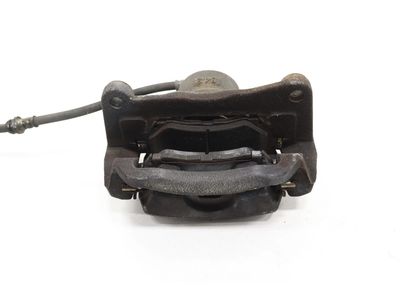
Mazda 6 Caliper Part Number: GSY3-33-99Z
$328.38 MSRP: $437.91You Save: $109.53 (26%)Ships in 1-2 Business Days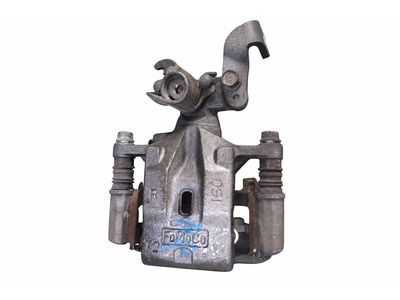
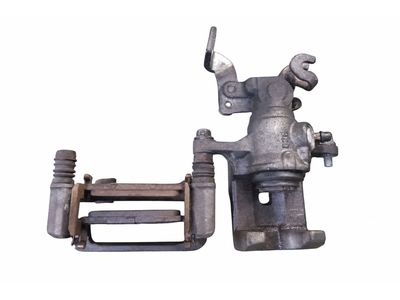
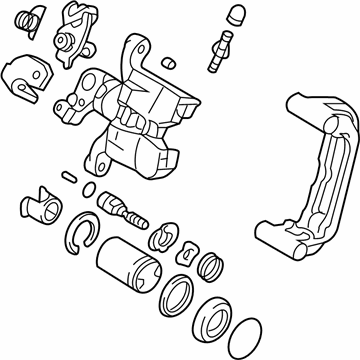
Mazda 6 Caliper Part Number: GPZB-26-98ZA
$345.63 MSRP: $460.92You Save: $115.29 (26%)Ships in 1-2 Business Days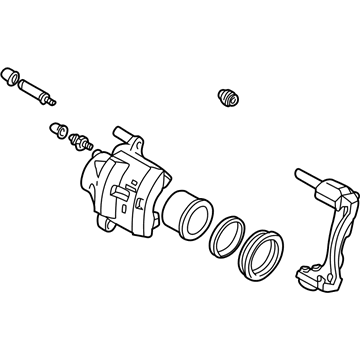
Mazda 6 Caliper Assembly Part Number: GPYB-33-29ZB
$28.40 MSRP: $37.87You Save: $9.47 (26%)Ships in 1-2 Business Days
Mazda 6 Caliper Part Number: GP7A-33-61XD
$73.50 MSRP: $98.01You Save: $24.51 (26%)Ships in 1-2 Business DaysMazda 6 Caliper Part Number: GP7A-33-71XD
$99.06 MSRP: $132.10You Save: $33.04 (26%)Ships in 1-2 Business DaysMazda 6 Caliper Part Number: GNZB-26-98Z
$144.99 MSRP: $193.35You Save: $48.36 (26%)Ships in 1-2 Business DaysMazda 6 Caliper Part Number: GPYA-33-61XA
$231.88 MSRP: $309.24You Save: $77.36 (26%)Ships in 1-2 Business DaysMazda 6 Caliper Part Number: GPZB-26-99ZA
$342.26 MSRP: $456.44You Save: $114.18 (26%)Ships in 1-2 Business Days
| Page 1 of 2 |Next >
1-20 of 25 Results
Mazda 6 Brake Caliper
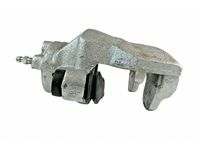
The Mazda 6 Brake Caliper transforms the hydraulic pressure caused by the pedal into the force applied to squeeze the pads onto the rotor, providing the sedan with a sure stopping force. The Brake Caliper is made up of one or more steel or phenolic pistons held in place by a tough cast iron body and is sealed to prevent the outflow of fluid and the ingress of dirt. Brake Calipers each have a fluid port and a bleeder screw, which allow air to escape. The lineup has two predominant layouts. Fixed calipers are mounted on the bracket and function with opposing pistons on either side of the rotor at even pad pressure, and provide a feeling of precision, but the extra components make the caliper more expensive and less tolerant of minor rotor wobble. Floating calipers, which are more popular in regular Mazda trims, are mounted on slide pins with a single inboard piston, and as you press the pedal, the piston pushes the inner pad and the entire unit slides toward the middle to clamp the two pads; this type is much easier to make and saves weight, but is prone to sticking should the pins rust or the boots tear. There is also a screw type parking brake mechanism in some rear Brake Caliper units that has to be retracted using a special tool when changing the pads. A low pedal, pulling, uneven pad wear or hot wheels are all symptoms that might indicate that the seal is leaking or the piston is seized, and as such your Mazda sedan (all generations of the famous Mazda 6) should be inspected and the Brake Caliper potentially replaced to restore full braking capability to your vehicle.
Looking for Brake Caliper with proven quality? Choose OEM Brake Caliper. Mazda designs and builds them to strict factory specs. Every piece goes through rigorous quality checks. You'll get parts that fit right and work like new. Shop our huge inventory of OEM Mazda 6 parts. Enjoy the highly competitive prices online. Our site is your one-stop shop. Each genuine 6 part includes a manufacturer's warranty. Buy with confidence. Our return policy is simple and hassle-free. In a rush? Choose expedited delivery at checkout. You'll love the streamlined experience from search to checkout to receiving your order.
Mazda 6 Brake Caliper Parts and Q&A
- Q:Should Brake Calipers Be Replaced Instead of Overhauled When Fluid Leakage Is Indicated on Mazda 6?A:In case of replacement, which is normally caused by leakage of fluid, replacement of the calipers is advised as opposed to overhauling. This job is very simple since new and factory rebuilt units are offered on exchange basis. Always change both the calipers, not only one. The first step is to loosen the wheel lug nuts, elevate the vehicle (front or rear) and then firmly place it on jackstands prior to taking the wheels off. Then withdraw the banjo fitting bolt, and unscrew the brake hose out of the caliper, and discard the sealing washers on either side of the hose fitting. Plug brake hose to prevent the contamination of the brake system and also reduce the loss of brake fluid. When you only need to get to another part and are removing the caliper, do not disconnect the hose but just hang it on a piece of wire and make sure the caliper is not hanging on the brake hose. To remove the parking brake cable on the caliper of the rear caliper, take out the clip holding the two parts together. A caliper can be installed by reversing the installation process, but the mounting bolts should be tightened to the recommended torque. Use new sealing washers, and tighten the banjo fitting bolt to the required torque. Bleed the brake system after installation and there should be no leakages along the edges of the hose connections. The brakes should also be tested carefully after which the vehicle should be returned to normal service. In case the rear caliper was removed or changed, make sure parking brake check and adjust.
Related Mazda 6 Parts
 Mazda 6 ABS Sensor
 Mazda 6 Speed Sensor
 Mazda 6 Wheel Stud
 Mazda 6 Brake Caliper Bolt
 Mazda 6 Brake Caliper Repair Kit
 Mazda 6 ABS Pump And Motor Assembly
 Mazda 6 Brake Booster Vacuum Hose
 Mazda 6 Brake Line
 Mazda 6 Hydraulic Hose
 Mazda 6 Parking Brake Actuator
 Mazda 6 Spindle Nut
 Mazda 6 Wheel Hub Bolt
Browse by Year
2021 Brake Caliper 2020 Brake Caliper 2019 Brake Caliper 2018 Brake Caliper 2017 Brake Caliper 2016 Brake Caliper 2015 Brake Caliper 2014 Brake Caliper 2013 Brake Caliper 2012 Brake Caliper 2011 Brake Caliper 2010 Brake Caliper 2009 Brake Caliper 2008 Brake Caliper 2007 Brake Caliper 2006 Brake Caliper 2005 Brake Caliper 2004 Brake Caliper 2003 Brake Caliper