×
- Hello
- Login or Register
- Quick Links
- Live Chat
- Track Order
- Parts Availability
- RMA
- Help Center
- Contact Us
- Shop for
- Mazda Parts

My Garage
My Account
Cart
Genuine Mazda MX-5 Miata Oil Filter
Engine Oil filter- Select Vehicle by Model
- Select Vehicle by VIN
Select Vehicle by Model
orMake
Model
Year
Select Vehicle by VIN
For the most accurate results, select vehicle by your VIN (Vehicle Identification Number).
3 Oil Filters found
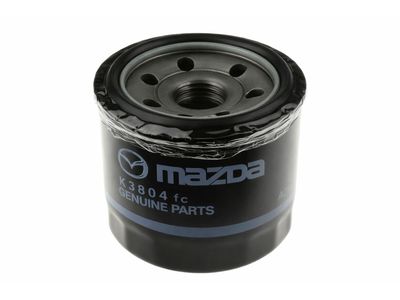
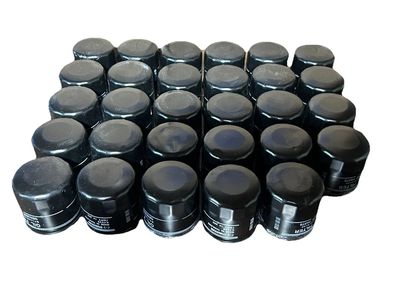
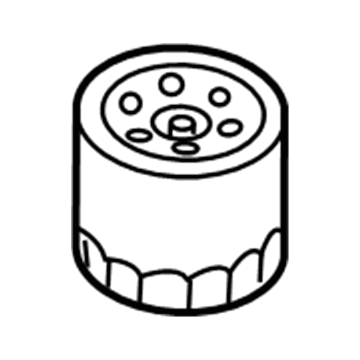
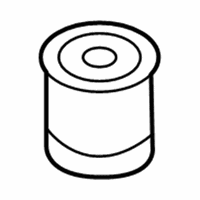
Mazda MX-5 Miata Oil Filter Part Number: 1WPE-14-302
$11.76 MSRP: $15.69You Save: $3.93 (26%)Ships in 1-2 Business Days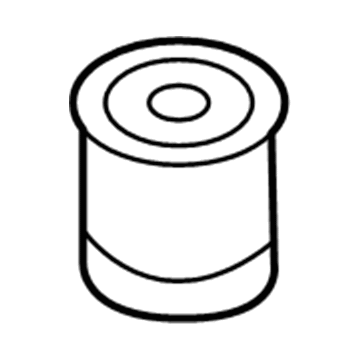
Mazda MX-5 Miata Filter Part Number: LF05-14-302B
$8.94 MSRP: $11.92You Save: $2.98 (25%)Ships in 1-2 Business Days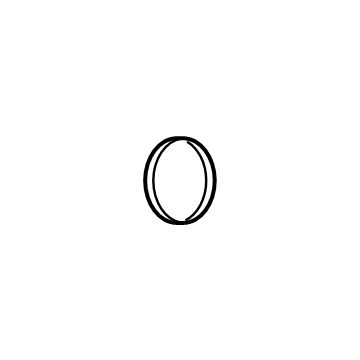
Mazda MX-5 Miata Oil Filter, VPM (Non-Turbo) Part Number: PE01-14-302B-MV
$8.45 MSRP: $11.27You Save: $2.82 (26%)Ships in 1-2 Business Days
Mazda MX-5 Miata Oil Filter
Looking for Oil Filter with proven quality? Choose OEM Oil Filter. Mazda designs and builds them to strict factory specs. Every piece goes through rigorous quality checks. You'll get parts that fit right and work like new. Shop our huge inventory of OEM Mazda MX-5 Miata parts. Enjoy the highly competitive prices online. Our site is your one-stop shop. Each genuine MX-5 Miata part includes a manufacturer's warranty. Buy with confidence. Our return policy is simple and hassle-free. In a rush? Choose expedited delivery at checkout. You'll love the streamlined experience from search to checkout to receiving your order.
Mazda MX-5 Miata Oil Filter Parts and Q&A
- Q:How does the oil filter play a role in preventing engine wear during oil changes on Mazda MX-5 Miata?A:Regular replacement of oil is necessary in engine wear prevention because old oil may be diluted and polluted. It is best to place these tools and lots of rags or newspapers to use in case of spills beforehand. Getting to the underneath of the vehicle is more convenient when it is positioned on hoists or on ramps or jackstands. When this is your first oil change, get used to the location of the oil drain plug when the engine and other exhaust parts are still warm in case something might go wrong. Pull up the vehicle onto a level surface and warms the oil by turning on the engine and then off and the filler cap of the valve cover. Put the vehicle on jackstands and take the engine undercover out. After considering a drain pan under the drain plug, take off the plug and leave the old oil to drain inspecting it on whether it has metal shavings. Once emptied, wipe the drain plug and the surrounding environment of the opening, attach the plug back and screw it. Place the drain pan beneath the oil filter, loosen the filter as a wrench and tilt to avoid spillage. Clean the mounting surface on the block and remove all old oil patina and gasket. Take the old and new filters and compare them, apply the engine oil to the gasket of the new filter and put it in manually and not excessively tight. Take out all the tools, rags under the vehicle and lower the vehicle. Measure in three quarts of new oil via the filler cap with a funnel, wait several minutes and check the dipstick level. In case it is close to F mark, place the cap, turn on the engine and allow the new oil to break. After one minute, test the drain plug and oil filter, tighten as necessary. After several minutes, check the level of the oil again and fill it. In the initial few journeys following the change, check on leaks and oil levels. The old oil must be disposed correctly and not used again or poured down the drain system and taken to a recycling centre.
Related Mazda MX-5 Miata Parts
 Mazda MX-5 Miata Crankshaft Seal
 Mazda MX-5 Miata Dipstick
 Mazda MX-5 Miata Oil Drain Plug
 Mazda MX-5 Miata Oil Filler Cap
 Mazda MX-5 Miata Oil Filter Gasket
 Mazda MX-5 Miata Oil Filter Housing
 Mazda MX-5 Miata Oil Pan
 Mazda MX-5 Miata Oil Pan Baffle
 Mazda MX-5 Miata Oil Pump Gasket
 Mazda MX-5 Miata Timing Chain
 Mazda MX-5 Miata Timing Cover
 Mazda MX-5 Miata Valve Cover
Browse by Year
2024 Oil Filter 2023 Oil Filter 2022 Oil Filter 2021 Oil Filter 2020 Oil Filter 2019 Oil Filter 2018 Oil Filter 2017 Oil Filter 2016 Oil Filter 2015 Oil Filter 2014 Oil Filter 2013 Oil Filter 2012 Oil Filter 2011 Oil Filter 2010 Oil Filter 2009 Oil Filter 2008 Oil Filter 2007 Oil Filter 2006 Oil Filter