×
- Hello
- Login or Register
- Quick Links
- Live Chat
- Track Order
- Parts Availability
- RMA
- Help Center
- Contact Us
- Shop for
- Mazda Parts

My Garage
My Account
Cart
Genuine Mazda MX-5 Miata Thermostat
Engine Coolant Thermostat- Select Vehicle by Model
- Select Vehicle by VIN
Select Vehicle by Model
orMake
Model
Year
Select Vehicle by VIN
For the most accurate results, select vehicle by your VIN (Vehicle Identification Number).
2 Thermostats found
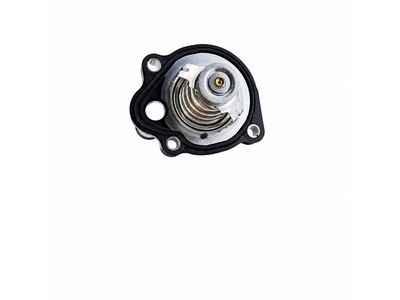
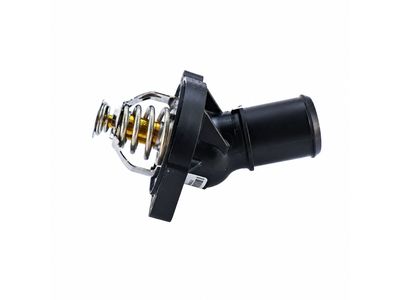
Mazda MX-5 Miata Thermostat Part Number: L336-15-170
$19.39 MSRP: $25.86You Save: $6.47 (26%)Ships in 1-2 Business Days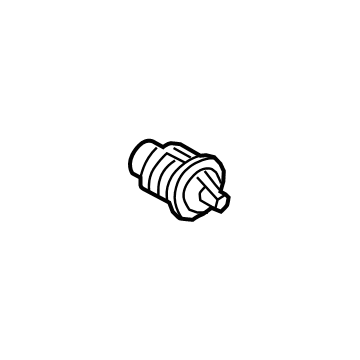
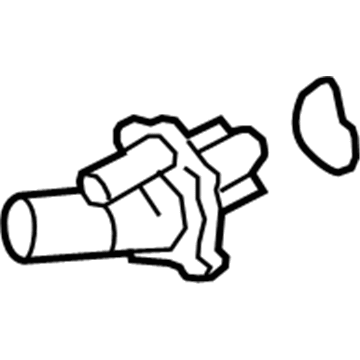
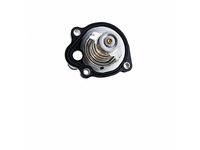
Mazda MX-5 Miata Thermostat Part Number: P502-15-171
$24.25 MSRP: $32.34You Save: $8.09 (26%)Ships in 1-2 Business Days
Mazda MX-5 Miata Thermostat
Looking for Thermostat with proven quality? Choose OEM Thermostat. Mazda designs and builds them to strict factory specs. Every piece goes through rigorous quality checks. You'll get parts that fit right and work like new. Shop our huge inventory of OEM Mazda MX-5 Miata parts. Enjoy the highly competitive prices online. Our site is your one-stop shop. Each genuine MX-5 Miata part includes a manufacturer's warranty. Buy with confidence. Our return policy is simple and hassle-free. In a rush? Choose expedited delivery at checkout. You'll love the streamlined experience from search to checkout to receiving your order.
Mazda MX-5 Miata Thermostat Parts and Q&A
- Q:What steps should be taken before assuming the thermostat is responsible for a cooling system problem on Mazda MX-5 Miata?A:The level of the coolant, tension of the drive belt, and working of the temperature gauge or light should be checked before concluding that a problem exists with the cooling system and the thermostat is the cause. In case the engine takes a long time to warm up, it is likely that the thermostat is stuck in the open position and needs to be replaced. When the engine becomes hot and the upper Radiator hose is not warm, the thermostat can be stuck and the coolant cannot flow through the radiator and it has to be replaced. Driving without a thermostat is not recommended because it may cause poor emissions and fuel economy. Should the hose be hot, the flow of coolant is on, and this indicates that the thermostat is open. Unmount the negative cable on the battery and empty the radiator of the coolant. In the 2005 and earlier models, unscrew the thermostat cover electrical connector, the thermoswitch, loosen radiator hose clamp and remove hose. Unscrew the thermostat cover, anticipate coolant spillage, and unscrew the thermostat, with a note of its direction of installation. Clean the sealing surfaces, place the new thermostat with spring end at the bottom or towards engine as per the year of production, install a new gasket and check the alignment correctly. Installation is the opposite of removing, which involves securing the thermostat cover fasteners to the required torque. Re-fill the cooling system, start the engine and look after any leaks and functionality. In 2006 and recent models, disassemble throttle body, disconnect bypass and radiator hose, and loosen bolts of thermostat housing. Dispose of the old gasket, when re-assembling, make sure that a new gasket is used and when fitting bolts tighten to the required torque. Re-fill the cooling system, start the engine and look after any leaks and functionality.
Related Mazda MX-5 Miata Parts
 Mazda MX-5 Miata Radiator
 Mazda MX-5 Miata Belt Tensioner Bolt
 Mazda MX-5 Miata Coolant Pipe Seal
 Mazda MX-5 Miata Coolant Reservoir Hose
 Mazda MX-5 Miata Cooling Fan Assembly
 Mazda MX-5 Miata Cooling Fan Module
 Mazda MX-5 Miata Fan Motor
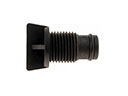 Mazda MX-5 Miata Radiator Drain Plug
 Mazda MX-5 Miata Radiator Hose
 Mazda MX-5 Miata Thermostat Gasket
 Mazda MX-5 Miata Thermostat Housing
 Mazda MX-5 Miata Water Pump