×
- Hello
- Login or Register
- Quick Links
- Live Chat
- Track Order
- Parts Availability
- RMA
- Help Center
- Contact Us
- Shop for
- Mazda Parts

My Garage
My Account
Cart
Genuine Mazda Tribute Camshaft
Cam- Select Vehicle by Model
- Select Vehicle by VIN
Select Vehicle by Model
orMake
Model
Year
Select Vehicle by VIN
For the most accurate results, select vehicle by your VIN (Vehicle Identification Number).
15 Camshafts found
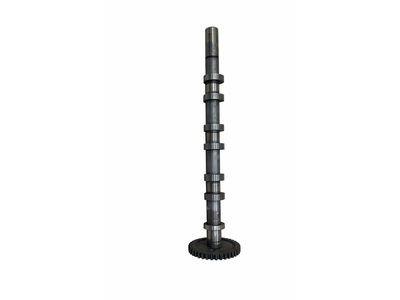
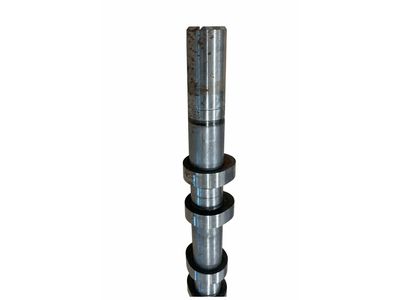
Mazda Tribute Exhaust Camshaft Part Number: ZZC4-12-450
$105.74 MSRP: $141.02You Save: $35.28 (26%)
Mazda Tribute Intake Camshaft Part Number: ZZC4-12-420
$99.05 MSRP: $132.09You Save: $33.04 (26%)Mazda Tribute Intake Camshaft Part Number: ZZC4-12-430
$113.84 MSRP: $151.81You Save: $37.97 (26%)Ships in 1-2 Business Days
Mazda Tribute Camshaft Part Number: AJ95-12-430
$121.48 MSRP: $162.00You Save: $40.52 (26%)Ships in 1-2 Business DaysMazda Tribute Camshaft Part Number: AJ95-12-440
$114.75 MSRP: $153.03You Save: $38.28 (26%)Ships in 1-2 Business Days
Mazda Tribute Camshaft Part Number: AJ03-12-450A
$127.49 MSRP: $170.02You Save: $42.53 (26%)Ships in 1-2 Business DaysMazda Tribute Camshaft Part Number: AJTM-12-420
$129.65 MSRP: $172.90You Save: $43.25 (26%)Ships in 1-2 Business Days
Mazda Tribute Camshaft Part Number: YF09-12-441A
$284.31 MSRP: $379.15You Save: $94.84 (26%)Ships in 1-2 Business Days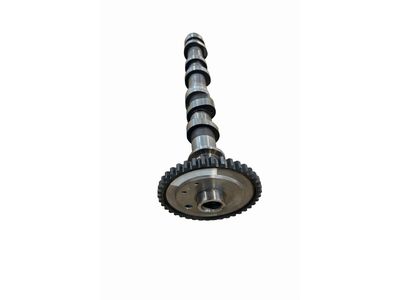
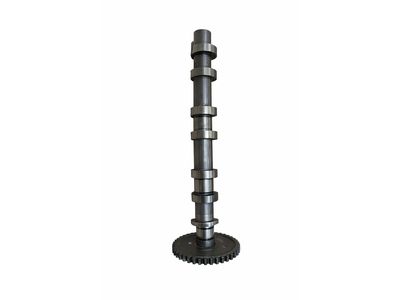
Mazda Tribute Exhaust Camshaft Part Number: ZZC4-12-440
Mazda Tribute Camshaft Part Number: ZZCA-12-420
Mazda Tribute Camshaft Part Number: ZZC0-12-440A
Mazda Tribute Camshaft Part Number: ZZC0-12-421A
Mazda Tribute Camshaft Part Number: YF0912421
Mazda Tribute Intake Camshaft Part Number: L34V-12-421
Mazda Tribute Camshaft Part Number: AJC1-12-420
Mazda Tribute Camshaft
Looking for Camshaft with proven quality? Choose OEM Camshaft. Mazda designs and builds them to strict factory specs. Every piece goes through rigorous quality checks. You'll get parts that fit right and work like new. Shop our huge inventory of OEM Mazda Tribute parts. Enjoy the highly competitive prices online. Our site is your one-stop shop. Each genuine Tribute part includes a manufacturer's warranty. Buy with confidence. Our return policy is simple and hassle-free. In a rush? Choose expedited delivery at checkout. You'll love the streamlined experience from search to checkout to receiving your order.
Mazda Tribute Camshaft Parts and Q&A
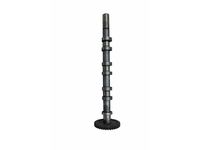
- Q:What precautions should be taken when working on camshafts on Mazda Tribute?A:These are hard to service and some special tools are necessary. Any process that involves Timing Chain, Timing Belt should be handled with care because any mishandling would result in the engine being damaged. Timing is an intricate system and any error can be extremely harmful hence only very experienced people should take up such procedures and it is recommended that an expert be consulted in case there is any doubt. Check the valve clearances before the removal of the camshafts, and then remove the Intake Manifold. In turbocharged models, de-pressurize the fuel system, and take out the high-pressure fuel pump and drive housing, then the brake vacuum pump. Then take off the timing belt or chain followed by the camshaft sprockets or the VCT units and label them to be fitted back. On certain models, loosen the variable camshaft timing solenoid fasteners and loosen the camshaft seals that you find on models. Unscrew the bolts on the front camshaft bearing cap and take it out and after installation, replace the O-ring. Apply heat on the sealant of some engines with the heat gun to prevent damage. Record the identification numbers of the bearing cap of camshafts and slack the bolts gradually to discharge pressure evenly. Take off the caps, and make a note of the labelings on the caps, then take off the camshafts and seals of the oil. Labelling of the valve shims to be installed should be carried out by placing them in labeled containers. Check the valve shims and camshafts in terms of wear as well as the diameters of the cam followers, and look at any evidence of damage. Where required, change worn out parts. Test the valve clearance and observe the condition of the lobes of the camshaft and bearing surfaces. Measuring the diameter of each journal and cross-checking the running clearance using Plastigage. In case one of the bearings has been damaged to an extent that it can no longer bear, change the camshaft and inspect the cylinder head. Checking camshaft endplay To measure camshaft endplay, use a dial indicator. Excessive one may replace the camshaft and even the cylinder head. Installation, adjusting check valves in case of installing new ones, rotation of the crankshaft to a certain position, attaching the cam followers and camshafts. Install bearing caps sequentially and clearance of the valves. Replaced with new camshaft oil seals, with the right way of the camshaft bearing caps to be turned on. Install the bolts to recommended torque levels, wipe up excess sealant and leave to cure. Once valve clearances have been checked, put the sprockets and phasers in place, screwing the bolts loosely. Proceed with reassembly of timing belt or chain, and valve clearance before placing valve cover. Lastly, re-connect the battery and leave the Powertrain Control Module to re-learn its idle and fuel trim strategy to achieve optimum performance.
Related Mazda Tribute Parts
 Mazda Tribute Cam Gear
 Mazda Tribute Cylinder Head
 Mazda Tribute Harmonic Balancer
 Mazda Tribute Oil Pan Baffle
 Mazda Tribute Oil Pump
 Mazda Tribute Oil Pump Rotor Set
 Mazda Tribute Spool Valve
 Mazda Tribute Timing Chain Guide
 Mazda Tribute Timing Cover Gasket
 Mazda Tribute Valve Guide
 Mazda Tribute Variable Timing Solenoid
 Mazda Tribute Variable Timing Sprocket