×
- Hello
- Login or Register
- Quick Links
- Live Chat
- Track Order
- Parts Availability
- RMA
- Help Center
- Contact Us
- Shop for
- Mazda Parts

My Garage
My Account
Cart
Genuine Mazda Tribute Timing Cover
Engine Timing Cover- Select Vehicle by Model
- Select Vehicle by VIN
Select Vehicle by Model
orMake
Model
Year
Select Vehicle by VIN
For the most accurate results, select vehicle by your VIN (Vehicle Identification Number).
8 Timing Covers found
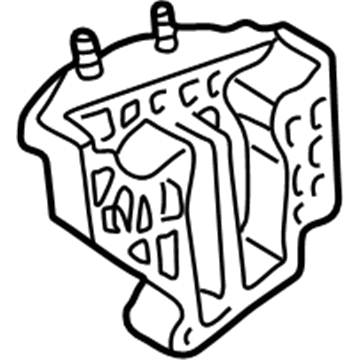
Mazda Tribute Front Cover Part Number: YF09-10-500
$16.20 MSRP: $21.61You Save: $5.41 (26%)Ships in 1-2 Business Days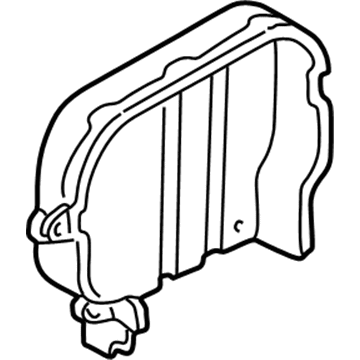
Mazda Tribute Front Cover Part Number: YF09-10-510
$45.89 MSRP: $61.19You Save: $15.30 (25%)Ships in 1-2 Business Days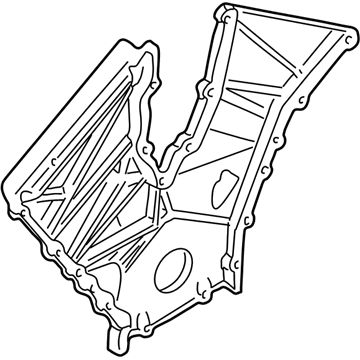
Mazda Tribute Timing Cover Part Number: AJ03-10-500D
$129.53 MSRP: $172.73You Save: $43.20 (26%)Ships in 1-2 Business Days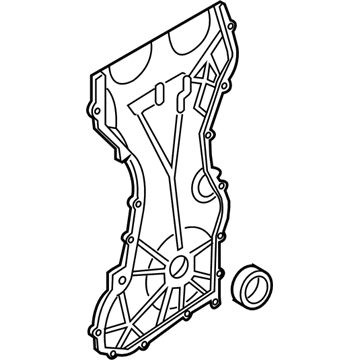
Mazda Tribute Timing Cover Part Number: ZZC3-10-500A
$140.55 MSRP: $187.44You Save: $46.89 (26%)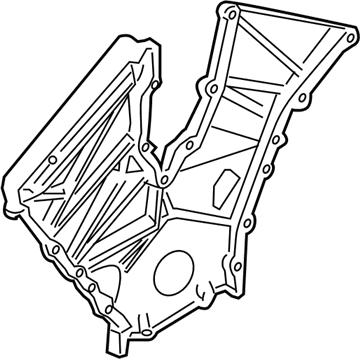
Mazda Tribute Timing Cover Part Number: ZZC6-10-500
Mazda Tribute Timing Cover Part Number: ZZC5-10-500
Mazda Tribute Timing Cover Part Number: ZZC2-10-500
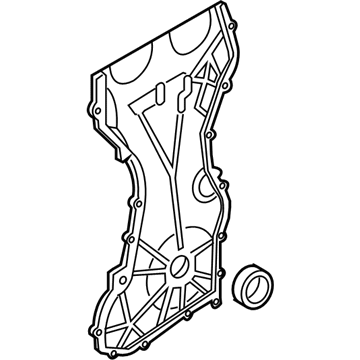
Mazda Tribute Timing Cover Part Number: L305-10-500D
Mazda Tribute Timing Cover
Looking for Timing Cover with proven quality? Choose OEM Timing Cover. Mazda designs and builds them to strict factory specs. Every piece goes through rigorous quality checks. You'll get parts that fit right and work like new. Shop our huge inventory of OEM Mazda Tribute parts. Enjoy the highly competitive prices online. Our site is your one-stop shop. Each genuine Tribute part includes a manufacturer's warranty. Buy with confidence. Our return policy is simple and hassle-free. In a rush? Choose expedited delivery at checkout. You'll love the streamlined experience from search to checkout to receiving your order.
Mazda Tribute Timing Cover Parts and Q&A
- Q:How to remove and reinstall the timing cover in V6 engines on Mazda Tribute?A:It is not feasible to carry out this procedure with the engine still in the vehicle because of the lack of clearance, and it might be more straightforward to take out the engine in the event of the need to do a lot of work. To remove the wheel in 2008 and earlier models, first, disconnect the negative battery post, then loosen the lug nuts on the right front wheel and have the vehicle firmly raised on jackstands and then remove the wheel. After draining the cooling system, drain the engine oil, take off the drivebelt and tensioner, Valve Covers, alternator and the mounting bracket, crankshaft pulley and the coolant expansion tank. Disconnect crankshaft and camshaft position sensors, take off the oil pan and in case of necessity, slide aside the air conditioning compressor to reach the timing chain cover. Slowly loosen and detach the timing chain cover fasteners, using notes of position, and then take off the cover disposing of the gaskets. To install, cleanse all sealing surfaces, substitute Crankshaft Seal (where needed), apply RTV sealant, install brand-new timing chain cover gasket, and reconnect the cover and its fasteners in the same location and attach them to the required torque. Install the drivebelt tensioner, oil pan, crankshaft pulley and reconnect the wiring harnesses. In the case of 2009-2012 models, the procedure is also started by detaching the negative battery terminal and the wheel. Installation Next loosen the crankshaft pulley, alternator, drivebelt tensioner, and unscrew the wiring harnesses of the camshaft and crankshaft position sensors, then loosen the variable camshaft timing solenoids and the oil pan-to-front cover bolts. Prop the oil pan and snap off the interfering Engine Mount and eliminate the timing chain cover recording the positions of the bolts and studs. To install it, wash the surfaces to be sealed with dirt, change the crankshaft seal, cover with RTV sealant, use new gaskets, and reconnect the timing chain cover using the bolts and studs to their initial position and tighten them accordingly. Installation: Reverse the steps of removal, installing the crankcase with oil, refilling the power steering reservoir and cooling system, the battery, and starting the engine to confirm that there are no leaks, and the Powertrain Control Module returns to its idle and fuel trim strategy in order to achieve optimal performance.
Related Mazda Tribute Parts
 Mazda Tribute Engine Mount
 Mazda Tribute Oil Filter
 Mazda Tribute Camshaft
 Mazda Tribute Camshaft Seal
 Mazda Tribute Crankshaft Pulley
 Mazda Tribute Crankshaft Thrust Washer
 Mazda Tribute Cylinder Head Gasket
 Mazda Tribute Engine Mount Torque Strut
 Mazda Tribute Oil Filter Housing
 Mazda Tribute Oil Pan Baffle
 Mazda Tribute Valve Cover Gasket
 Mazda Tribute Variable Timing Sprocket