×
- Hello
- Login or Register
- Quick Links
- Live Chat
- Track Order
- Parts Availability
- RMA
- Help Center
- Contact Us
- Shop for
- Mazda Parts

My Garage
My Account
Cart
Genuine Mazda Valve Spring
- Select Vehicle by Model
- Select Vehicle by VIN
Select Vehicle by Model
orMake
Model
Year
Select Vehicle by VIN
For the most accurate results, select vehicle by your VIN (Vehicle Identification Number).
41 Valve Springs found

Mazda Valve Springs Part Number: BP6D-12-125
$11.75 MSRP: $15.67You Save: $3.92 (26%)Ships in 1-2 Business DaysProduct Specifications- Other Name: Spring, Valve; Valve Spring
Mazda Valve Springs Part Number: BP2Y-12-125A
$12.96 MSRP: $17.29You Save: $4.33 (26%)Ships in 1-2 Business DaysProduct Specifications- Other Name: Spring, Valve; Valve Spring
- Replaces: BP2Y-12-125
Mazda Valve Springs Part Number: LF50-12-125A
$1.50 MSRP: $1.99You Save: $0.49 (25%)Ships in 1-2 Business DaysProduct Specifications- Other Name: Spring, Valve; Valve Spring
- Replaces: 1F70-12-115, L309-12-125, LF01-12-125, L503-12-125, LF50-12-125
Mazda Valve Springs Part Number: PEP9-12-125
$1.94 MSRP: $2.59You Save: $0.65 (26%)Ships in 1-2 Business DaysProduct Specifications- Other Name: Spring, Valve; Valve Spring
Mazda Valve Springs Part Number: ZJ01-12-125
$4.56 MSRP: $6.09You Save: $1.53 (26%)Product Specifications- Other Name: Spring, Valve; Valve Spring
Mazda Valve Springs Part Number: ZZC4-12-125
$4.95 MSRP: $6.61You Save: $1.66 (26%)Product Specifications- Other Name: Spring, Valve; Valve Spring
Mazda Valve Springs Part Number: PE31-12-126
$5.00 MSRP: $6.67You Save: $1.67 (26%)Ships in 1-2 Business DaysProduct Specifications- Other Name: Spring, Outer-Exhaust Valve; Valve Spring
Mazda Valve Springs Part Number: PE31-12-125
$5.04 MSRP: $6.72You Save: $1.68 (25%)Ships in 1-2 Business DaysProduct Specifications- Other Name: Spring, Valve; Valve Spring
Mazda Valve Springs Part Number: AJTM-12-125
$4.66 MSRP: $6.21You Save: $1.55 (25%)Ships in 1-2 Business DaysProduct Specifications- Other Name: Spring, Valve; Valve Spring
- Replaces: AJ57-12-125, AJ57-12-125A, AJ03-12-125B, AJ03-12-125A, GY01-12-125A
Mazda Valve Springs Part Number: PE01-12-126
$5.45 MSRP: $7.27You Save: $1.82 (26%)Ships in 1-2 Business DaysProduct Specifications- Other Name: Spring, Outer-Exhaust Valve; Valve Spring
Mazda Valve Springs Part Number: 1F22-12-115A
$5.45 MSRP: $7.27You Save: $1.82 (26%)Ships in 1-2 Business DaysProduct Specifications- Other Name: Spring, Valve; Valve Spring
- Replaces: 1F22-12-115
Mazda Valve Springs Part Number: PYFA-12-126A
$5.65 MSRP: $7.54You Save: $1.89 (26%)Ships in 1-2 Business DaysProduct Specifications- Other Name: Spring, Out Exhaust Valve; Valve Spring
Mazda Valve Springs Part Number: PYFA-12-125A
$5.80 MSRP: $7.74You Save: $1.94 (26%)Ships in 1-2 Business DaysProduct Specifications- Other Name: Spring, Valve; Valve Spring
Mazda Spring, Valve Part Number: CWA1-12-125
$8.95 MSRP: $11.94You Save: $2.99 (26%)Ships in 1-2 Business DaysProduct Specifications- Other Name: SPRING,VALVE; Valve Spring
Mazda Spring, Outer-Exhaust Valve Part Number: CWA1-12-126
$10.80 MSRP: $14.40You Save: $3.60 (25%)Ships in 1-2 Business DaysProduct Specifications- Other Name: SPRING,OUTER-EX. VALVE; Valve Spring
- Position: Outer
Mazda Valve Springs Part Number: BP05-12-125
$12.15 MSRP: $16.20You Save: $4.05 (25%)Ships in 1-2 Business DaysProduct Specifications- Other Name: Spring, Valve; Valve Spring
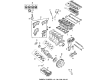
Mazda Valve Springs Part Number: B6BF-12-125
$12.16 MSRP: $16.22You Save: $4.06 (26%)Ships in 1-2 Business DaysProduct Specifications- Other Name: Spring, Outer-Valve; Valve Spring
Mazda Valve Springs Part Number: B61P-12-125
$12.29 MSRP: $16.39You Save: $4.10 (26%)Ships in 1-2 Business DaysProduct Specifications- Other Name: Spring, Valve Outer; Valve Spring
Mazda Valve Springs Part Number: BJ01-12-125
$12.84 MSRP: $17.12You Save: $4.28 (25%)Ships in 1-2 Business DaysProduct Specifications- Other Name: Spring, Valve; Valve Spring
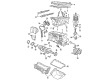
Mazda Valve Springs Part Number: YF09-12-115
$39.36 MSRP: $52.50You Save: $13.14 (26%)Ships in 1-2 Business DaysProduct Specifications- Other Name: Spring, Valve-Intake; Valve Spring
| Page 1 of 3 |Next >
1-20 of 41 Results
Mazda Valve Spring
Mazda Valve Spring snaps each engine valve shut with precise force, preserving combustion pressure and letting the rev needle climb without valve float. Built as a tightly wound steel coil, the Valve Spring compresses and rebounds thousands of times per minute, resisting heat and metal fatigue so every cylinder keeps its seal. Its light weight reduces valvetrain inertia, allowing quick cam profiles that boost throttle response while keeping fuel use smart. This seemingly simple part works in silent harmony with pistons, cams, and spark to keep the soundtrack pure. Uniform tension across the lineup means every Mazda enjoys reliable breathing control at all speeds. Mazda pours equal care into the rest of its vehicles, combining Skyactiv engines, responsive automatic and manual gearboxes, and the balanced i-Activ AWD to deliver a playful yet composed ride. Kodo design adds flowing lines that look fast even when parked, while i-Activsense technologies such as lane-keep assist and radar cruise help drivers stay confident on busy roads. Continuous work on electric drive and mild hybrid systems shows Mazda commitment to clean progress, and extensive rough-road testing confirms durability. The blend of lively handling, thoughtful safety, and efficiency means a Mazda feels engaging on winding lanes and comfortable on long highway cruises, echoing the dependable rhythm set by its ever-working Valve Spring.
You'll get great performance and real durability when you pick genuine OEM Valve Spring. Mazda builds these using high-quality materials and official factory methods to ensure they hold up mile after mile. You deserve that Mazda reliability without the headache of cheap knockoffs. It is easy to find exactly what you need in our huge inventory of genuine parts. Plus, every OEM part carries a real manufacturer's warranty for your peace of mind. You will love our low prices too. Order today and we will ship your brand-new parts fast. They often reach your door in just a few days.
Mazda Valve Spring Parts and Q&A
- Q:Can broken Valve Spring, Valve Spring Retainer and Valve Stem Seal be replaced without removing the cylinder head on Mazda Protege?A:Replacement of broken valve springs and faulty valve stem seals can be done without the necessity to remove the cylinder head, and usually necessitates two special tools and a source of compressed air. In case of non availability of compressed air a piece of nylon rope may be employed to ensure the valves do not fall into the cylinder. Start by taking the camshaft(s) and valve lifters off the faulty valves, and store the lifters in the correct sequence so to re-fit. Take off spark plug of the affected cylinder and in case all the valve stem seals are to be replaced remove all spark plugs. Turn the crankshaft (referred to as crankshaft revolution) until the piston in the damaged cylinder reaches Top Dead Center during the compression stroke, and then move on to the next cylinder in the firing order. Insert an adapter into the spark plug hole and fit an air hose with a compressed air source and spray the compressed air to make the valves stay put. When it is nylon rope, the piston should be positioned at about 45 degrees before TDC, and the rope inserted into the combustion chamber and turned until slight resistance is felt. Insert stuffy shop rags in any holes on the cylinder head to ensure that parts do not fall in the engine and then compress the spring with a valve spring compressor to take out the keepers. Installation: Take out the spring retainer and valve spring with a mark on the upper end of the valve spring. Measure the depth till the upper side of the valve stem oil seal and strip. Tape or wrap a rubber band round the top of the valve stem to ensure that the stem does not fall off and then remove the air pressure. Check the valve spring and stem, and there must be none bound in the guide. Repeat air pressure to hold the valve in the closed position, and lubricate the value stem, and place a new oil seal, taking depth of installed as needed. Install the spring on the top of the valve making sure that it is placed properly and the valve spring retainer goes on and the spring is compressed to install the keepers. Take the spring tool off the pressure, making sure that the keepers are in place and the air hose is disconnected and the adapter removed. Lastly, install the camshaft(s) and the other components in the reverse order and start the engine to determine the presence of oil leakages or abnormal noises.
- Q:How to remove and install the intake valve and valve spring on Mazda B2000?A:In order to replace or replace the cylinder head, the cylinder head must be removed followed by the removal of the rocker shaft assembly and camshaft (in certain models). Wipe off the combustion chambers with a stiff wire brush and scraper without scratching the cylinder head surface. Install a valve spring compressor, loosen the valve spring retainer locks and springs. Make a valve set-up board to record the initial positions of the valves and its components that were originally installed. Dispose of the valve seals taking a note of the umbrella-type seal positions. Clean the valves and cylinder head mating surface and do not use metallic scraper. Clean the valve guides with a valve guide cleaner and then put each valve into one of the ports. Check valve stems against specifications using a micrometer and measure valve guide-to-stem clearance using a dial indicator. Valve removal can be done by blocking the head with a socket to break the deposits of varnish, and maintaining parts that have been removed. Wipe down the valve ports and seats and ensure that carbon deposits are wiped off. Check the head of the cylinder head and grease the valve stem-to-guide clearance. Fix damaged valve guides, and machine valve faces and seats to specification. Lap the valves and seats, and then affix the seats. To reface a valve, resurface valve with a valve grinder to specification paying attention to margin widths. Upon machining, place the valves with lubricated stems, then valve springs, retainers, and seals should be placed in proper order. Lastly, tap all the valve spring retainers to fix the keepers.
Related Mazda Parts
 Mazda Oil Filter
 Mazda Valve Cover Gasket
 Mazda Oil Drain Plug
 Mazda Piston
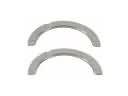 Mazda Crankshaft Thrust Washer
 Mazda Cylinder Head Gasket
 Mazda Exhaust Valve
 Mazda Harmonic Balancer
 Mazda Timing Belt Idler Pulley
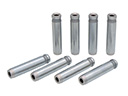 Mazda Valve Guide
 Mazda Valve Lifter
 Mazda Variable Timing Sprocket
Browse by Model
2 Valve Spring 3 Valve Spring 5 Valve Spring 6 Valve Spring 626 Valve Spring 929 Valve Spring B2000 Valve Spring B2200 Valve Spring B2300 Valve Spring B2500 Valve Spring B3000 Valve Spring B4000 Valve Spring CX-3 Valve Spring CX-30 Valve Spring CX-5 Valve Spring CX-50 Valve Spring CX-7 Valve Spring CX-70 Valve Spring CX-9 Valve Spring CX-90 Valve Spring Miata Valve Spring Millenia Valve Spring MPV Valve Spring MX-3 Valve Spring MX-5 Miata Valve Spring MX-6 Valve Spring Navajo Valve Spring Protege Valve Spring Protege5 Valve Spring Tribute Valve Spring