×
- Hello
- Login or Register
- Quick Links
- Live Chat
- Track Order
- Parts Availability
- RMA
- Help Center
- Contact Us
- Shop for
- Mazda Parts

My Garage
My Account
Cart
Genuine Mazda MX-5 Miata Brake Caliper
Caliper- Select Vehicle by Model
- Select Vehicle by VIN
Select Vehicle by Model
orMake
Model
Year
Select Vehicle by VIN
For the most accurate results, select vehicle by your VIN (Vehicle Identification Number).
12 Brake Calipers found
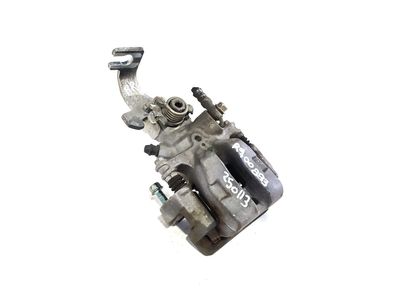
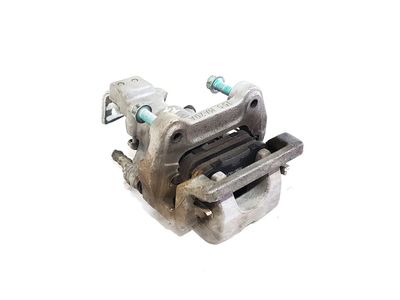
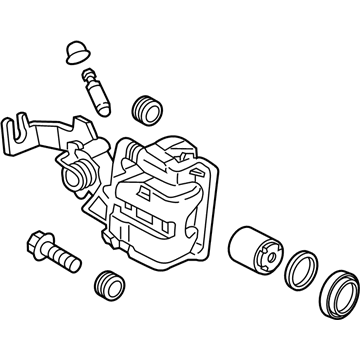
Mazda MX-5 Miata Caliper Part Number: NAYJ-26-98ZB
$321.31 MSRP: $428.50You Save: $107.19 (26%)Ships in 1-2 Business Days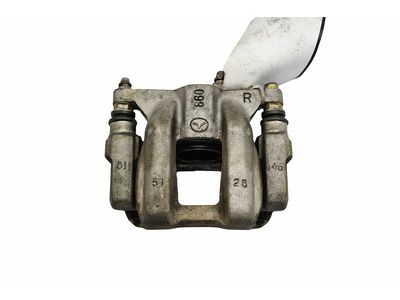
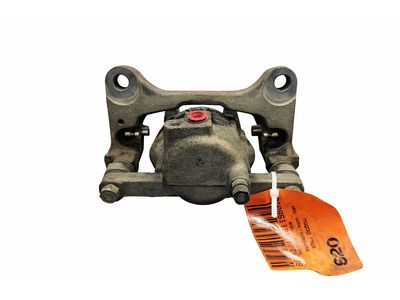
Mazda MX-5 Miata Caliper Part Number: NAYJ-33-98ZB
$282.11 MSRP: $376.22You Save: $94.11 (26%)Ships in 1-2 Business Days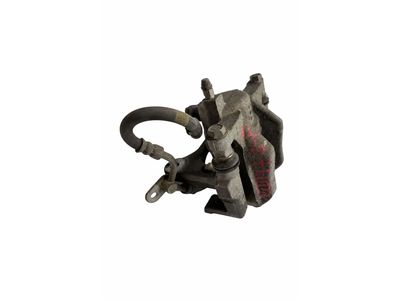
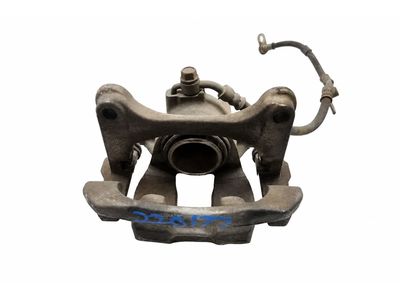
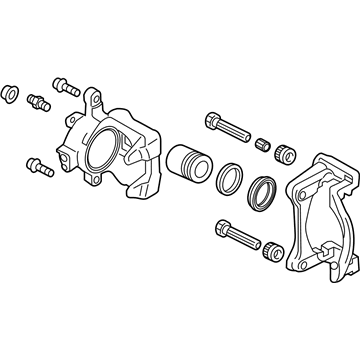
Mazda MX-5 Miata Caliper Part Number: NAYJ-33-99ZB
$285.80 MSRP: $381.14You Save: $95.34 (26%)Ships in 1-2 Business Days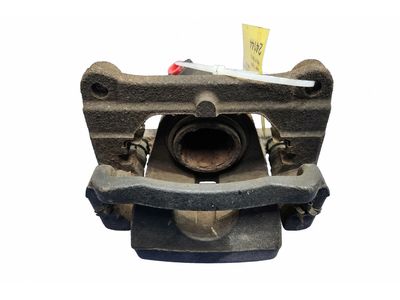
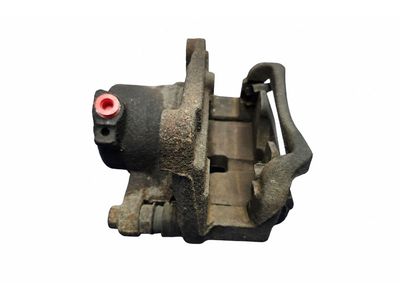
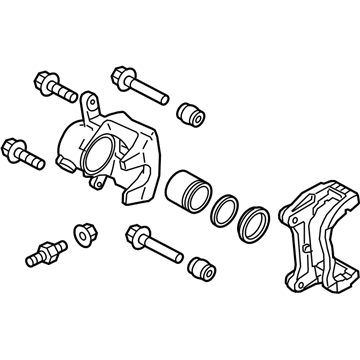
Mazda MX-5 Miata Caliper Part Number: NFZ7-33-99Z
$318.84 MSRP: $425.21You Save: $106.37 (26%)Ships in 1-2 Business Days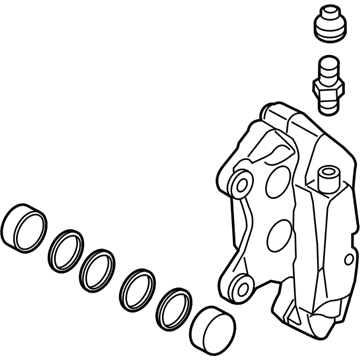
Mazda MX-5 Miata Caliper Part Number: NAYF-33-98Z
$643.94 MSRP: $879.87You Save: $235.93 (27%)Ships in 1-2 Business DaysMazda MX-5 Miata Caliper Part Number: NAYF-33-99Z
$643.94 MSRP: $879.87You Save: $235.93 (27%)Ships in 1-2 Business DaysMazda MX-5 Miata Caliper Part Number: NFZ7-33-98Z
$314.28 MSRP: $419.12You Save: $104.84 (26%)Ships in 1-2 Business DaysMazda MX-5 Miata Caliper Part Number: NAYJ-26-99ZB
$330.31 MSRP: $440.51You Save: $110.20 (26%)Ships in 1-2 Business Days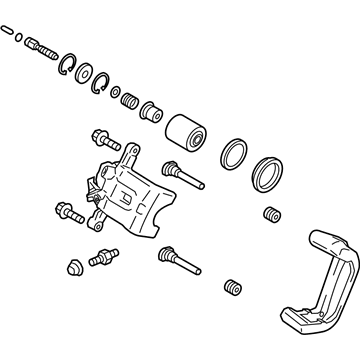
Mazda MX-5 Miata Caliper Part Number: NFZ7-26-99Z
$364.94 MSRP: $486.68You Save: $121.74 (26%)Ships in 1-2 Business DaysMazda MX-5 Miata Caliper Part Number: NFZ7-26-98Z
$462.12 MSRP: $621.26You Save: $159.14 (26%)Ships in 1-2 Business DaysMazda MX-5 Miata Caliper Part Number: NAYF-26-99ZB
$474.10 MSRP: $637.37You Save: $163.27 (26%)Ships in 1-2 Business DaysMazda MX-5 Miata Caliper Part Number: NAYF-26-98ZB
$474.10 MSRP: $637.37You Save: $163.27 (26%)Ships in 1-2 Business Days
Mazda MX-5 Miata Brake Caliper
Looking for Brake Caliper with proven quality? Choose OEM Brake Caliper. Mazda designs and builds them to strict factory specs. Every piece goes through rigorous quality checks. You'll get parts that fit right and work like new. Shop our huge inventory of OEM Mazda MX-5 Miata parts. Enjoy the highly competitive prices online. Our site is your one-stop shop. Each genuine MX-5 Miata part includes a manufacturer's warranty. Buy with confidence. Our return policy is simple and hassle-free. In a rush? Choose expedited delivery at checkout. You'll love the streamlined experience from search to checkout to receiving your order.
Mazda MX-5 Miata Brake Caliper Parts and Q&A
- Q:What precautions should be taken when working on brake systems and how should front brake calipers be overhauled on Mazda MX-5 Miata?A:Do not blow out with compressed air and should not inhale any of it. A filtering mask must be approved prior to working on the brakes and petroleum based solvents should not be used to give a clean to the brake parts but use brake system cleaner. In case an overhaul is suggested because of fluid leakage, consider every possibility before commencing the work because new and factory rebuilt calipers can be exchanged on exchange basis and the work would be made simpler. In case of rebuilding calipers, make sure that a rebuild kit is provided and rebuild them in pairs. Removal of the caliper: To take out the caliper, loosen the lug nuts attaching the front wheel, jack up the vehicle through jackstands and then take out the wheel, disconnect the brake hose banjo bolt and then plug the hose to avoid contamination. Take out the caliper mounting bolts and the caliper. To perform the overhaul, wipe the caliper body with brake system cleaner, insert a wood block or rags between the piston and the caliper to avoid damaging the caliper, and apply compressed air to push the piston out. Carefully lift out the dust boot and pull out the piston seal using a wooden/plastic object. Take out the caliper bleeder valve and get rid of all the rubber. Check the mating surfaces and ensure that there is no damage, in case of scorings or rusts, then change the caliper. Provided that they are in good shape, clean the parts with brake system cleaner and dry them. Installation Reassemble with the proper rebuild kit, soaking the new piston seal and piston in brake fluid and installing the seal in the caliper bore. Install the piston, make sure that it is firmly seated and install the new dust boot and fit the bleeder screw again. Wipe the sleeves of the bolts, rub with grease of great temperature, and replace them. Check the brake disc by checking whether it is reusable. Lastly, install the caliper by following the same process in reverse, replacing the copper sealing washers at the connector of the brake hose to the caliper, tightening the mounting bolts to the required torque, and bleeding the brake circuit to eliminate any leaks and then test the brakes.
- Q:What precautions should be taken when working on brake systems, and How to remove and install rear brake calipers on Mazda MX-5 Miata?A:Blow it out with no compressed air, do not inhale any of it. A filtering mask that was approved must be used in the brakes. Never under any circumstances apply petroleum based solvents to clean brake parts but instead apply brake system cleaner. The rear calipers are also complex and therefore overhauling them is not advisable. To replace them as a couple with re-built units will offer a better service at a lesser cost. The caliper may be removed by first loosening the lug nuts at the rear of the wheel and then lifting the rear of the vehicle and firmly holding it on jackstands before taking the wheel out. The second step is to pull out the Parking Brake Cable of the caliper, and then the brake hose by taking out the banjo bolt and inserting the hose to ensure nothing contaminates it and least amount of brake fluid is lost. Take out the rear disc manual adjustment gear plug then rotate the manual adjustment gear counterclockwise bring the brake caliper piston nearer. Unscrew lower caliper mounting bolt and in 1994 and newer models, the upper mounting bolt as well and then strip the caliper off the bracket. To fit, use the opposite process by which the installation was done, with the addition that the copper sealing washers should be replaced at the end of the brake hose into the caliper fitting. Rotate the manual adjust gear clockwise until the Brake Pads touch the brake disc, then rotate it 1/3 clockwise, replace the plug, and screw it back on. Lastly, drain the brake system, making sure there are no pipes in the hose attachments, and look at brakes too, before putting the car back in its regular operation.
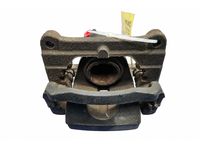
Related Mazda MX-5 Miata Parts
 Mazda MX-5 Miata ABS Control Module
 Mazda MX-5 Miata ABS Pump And Motor Assembly
 Mazda MX-5 Miata ABS Sensor
 Mazda MX-5 Miata Brake Caliper Bracket
 Mazda MX-5 Miata Brake Caliper Repair Kit
 Mazda MX-5 Miata Brake Dust Shields
 Mazda MX-5 Miata Brake Line
 Mazda MX-5 Miata Brake Pads
 Mazda MX-5 Miata Hydraulic Hose
 Mazda MX-5 Miata Speed Sensor
 Mazda MX-5 Miata Wheel Hub Bolt
 Mazda MX-5 Miata Wheel Stud
Browse by Year
2025 Brake Caliper 2024 Brake Caliper 2023 Brake Caliper 2022 Brake Caliper 2021 Brake Caliper 2020 Brake Caliper 2019 Brake Caliper 2018 Brake Caliper 2017 Brake Caliper 2016 Brake Caliper 2015 Brake Caliper 2014 Brake Caliper 2013 Brake Caliper 2012 Brake Caliper 2011 Brake Caliper 2010 Brake Caliper 2009 Brake Caliper 2008 Brake Caliper 2007 Brake Caliper 2006 Brake Caliper