×
- Hello
- Login or Register
- Quick Links
- Live Chat
- Track Order
- Parts Availability
- RMA
- Help Center
- Contact Us
- Shop for
- Mazda Parts

My Garage
My Account
Cart
Genuine Mazda 3 Brake Disc
Disc Rotor- Select Vehicle by Model
- Select Vehicle by VIN
Select Vehicle by Model
orMake
Model
Year
Select Vehicle by VIN
For the most accurate results, select vehicle by your VIN (Vehicle Identification Number).
16 Brake Discs found
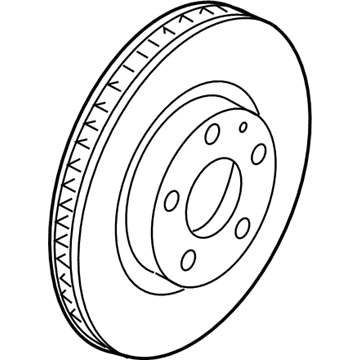
Mazda 3 Rotor Part Number: B45A-33-251A
$88.65 MSRP: $118.22You Save: $29.57 (26%)Ships in 1-2 Business Days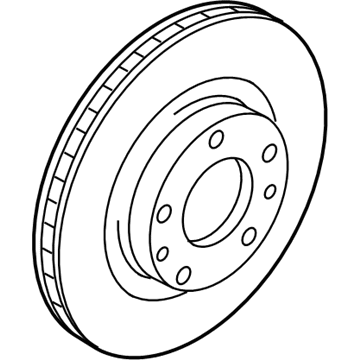
Mazda 3 Rotor Part Number: B45G-26-251B
$88.65 MSRP: $118.22You Save: $29.57 (26%)Ships in 1-2 Business Days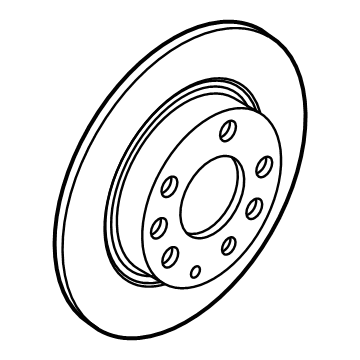
Mazda 3 Rotor Part Number: BDTS-26-251
$90.19 MSRP: $120.27You Save: $30.08 (26%)Ships in 1-2 Business Days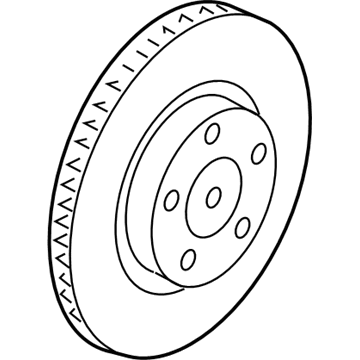
Mazda 3 Rotor Part Number: BDTS-33-251
$91.34 MSRP: $121.81You Save: $30.47 (26%)Ships in 1-2 Business Days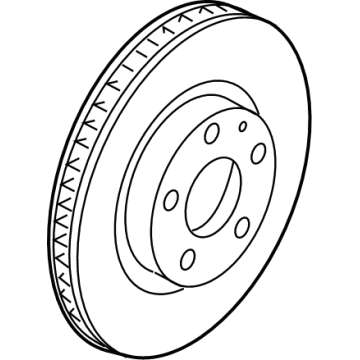
Mazda 3 Rotor Part Number: BDWK-33-251
$99.60 MSRP: $132.82You Save: $33.22 (26%)Ships in 1-2 Business Days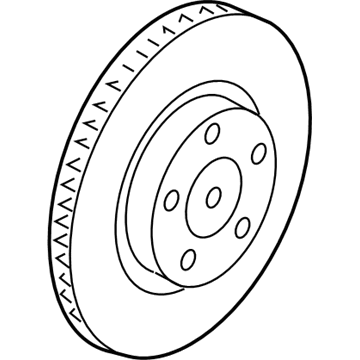
Mazda 3 Rotor Part Number: BJS7-33-251A
$88.65 MSRP: $118.22You Save: $29.57 (26%)Ships in 1-2 Business DaysMazda 3 Rotor Part Number: BJT2-33-251A
$117.03 MSRP: $156.06You Save: $39.03 (26%)Ships in 1-2 Business Days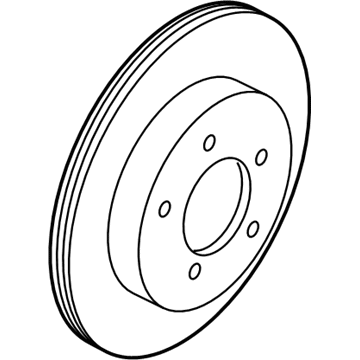
Mazda 3 Rotor Part Number: C24Y-26-251D
$95.51 MSRP: $127.37You Save: $31.86 (26%)Ships in 1-2 Business DaysMazda 3 Rotor Part Number: C25Y-26-251C
$95.80 MSRP: $127.76You Save: $31.96 (26%)Ships in 1-2 Business Days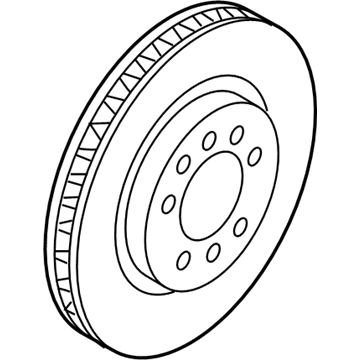
Mazda 3 Rotor Part Number: C24Y-33-25XE
$96.26 MSRP: $128.37You Save: $32.11 (26%)Ships in 1-2 Business Days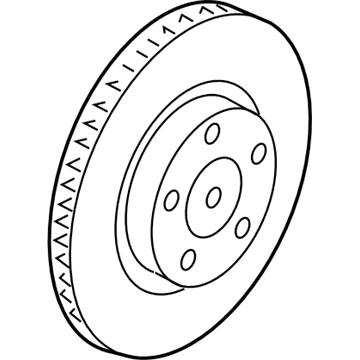
Mazda 3 Rotor Part Number: BCKA-33-251
$96.41 MSRP: $128.57You Save: $32.16 (26%)Ships in 1-2 Business DaysMazda 3 Rotor Part Number: BEET-33-251
$82.45 MSRP: $109.96You Save: $27.51 (26%)Ships in 1-2 Business Days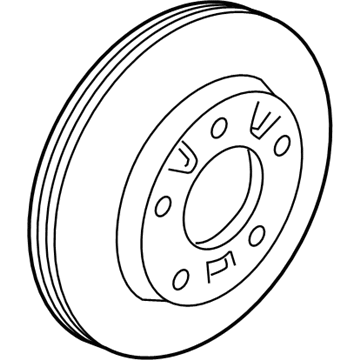
Mazda 3 Rotor Part Number: C26Y-33-25XD
$96.54 MSRP: $128.74You Save: $32.20 (26%)Ships in 1-2 Business Days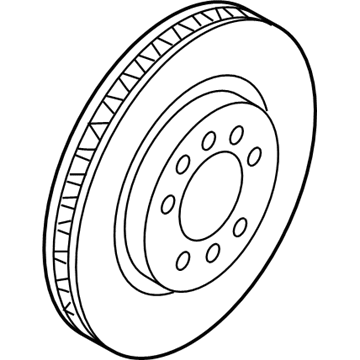
Mazda 3 Rotor Part Number: B37F-33-25XA
$97.85 MSRP: $130.50You Save: $32.65 (26%)Ships in 1-2 Business Days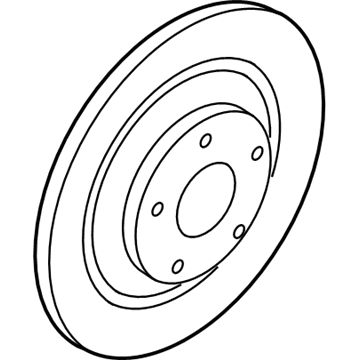
Mazda 3 Rotor Part Number: BJS7-26-251B
$88.65 MSRP: $118.22You Save: $29.57 (26%)Ships in 1-2 Business DaysMazda 3 Rotor Part Number: B45G-33-251A
$117.03 MSRP: $156.06You Save: $39.03 (26%)Ships in 1-2 Business Days
Mazda 3 Brake Disc
Looking for Brake Disc with proven quality? Choose OEM Brake Disc. Mazda designs and builds them to strict factory specs. Every piece goes through rigorous quality checks. You'll get parts that fit right and work like new. Shop our huge inventory of OEM Mazda 3 parts. Enjoy the highly competitive prices online. Our site is your one-stop shop. Each genuine 3 part includes a manufacturer's warranty. Buy with confidence. Our return policy is simple and hassle-free. In a rush? Choose expedited delivery at checkout. You'll love the streamlined experience from search to checkout to receiving your order.
Mazda 3 Brake Disc Parts and Q&A
- Q: How to properly inspect and service brake discs on Mazda 3?A:Unscrew the lug nuts of the wheels, lift the car and place it on jackstands. Take out the Brake Caliper without taking off the Brake Hose; take off the caliper bolts and suspend the caliper somewhere off with wire item. You visually examine the disc surface to find any kind of score marks or other damage; light scratches and shallow grooves are safe after use but deep scoring would make you have to remove the disc and refinish it with an automotive machine shop. Examine both sides of the disc: and when pulsating on braking, suspect disc run out. To test disc runout, screw in the lug nuts backwards and mount a dial indicator approximately half an inch away on the outer side of the disc and set the indicator to zero and then turn the disc. The reading of the indicator must not be more than the stated allowable runout limit otherwise, refinishing should be done to the disc. Despite the dial indication, discs are to be resurfaced so that they have a smooth finish and an excellent flat surface, with no brake pedal pulsation or other uncomfortable symptoms. In case it is not resurfacing, then wipe the glaze off the surface using emery cloth or sandpaper in a swirling motion. It is important that the disc should not be machined to less than the required minimum thickness, cast or stamped into the inner of the disc; check the disc thickness with a micrometer. Unscrew the bolts and the bracket which hold the caliper mounted together and unscrew lug nuts (they were reattached during runout check), and the disc. When the disc is off, wipe the back side of the center part touching the wheel hub and remove all rust or dirt on the hub face. Squeeze small dots of a high-temperature anti-seize compound all around the circumference of the hub and the raised center area. Install the disc in place, attaching the caliper mounting bracket and caliper, loosening the bolts to the desired values of torque. Fit the wheel, and pull the vehicle down to the ground and screw the lug nuts to the required torque. Press the brake pedal several times until the brake pads touch the disc; there will not be any bleeding unless the brake hose was removed off the caliper. Be sure that the brakes are working before taking out the vehicle, and when new or old discs are fitted to the rear, be sure the parking brake is working, and also that it is adjusted properly, where necessary. Lastly, do not drive without making sure that the brakes are fine.
Related Mazda 3 Parts
 Mazda 3 Shift Knob
 Mazda 3 Control Arm
 Mazda 3 TPMS Sensor
 Mazda 3 Antenna
 Mazda 3 Fuel Tank
 Mazda 3 Alternator Bearings
 Mazda 3 Brake Light Switches
 Mazda 3 Coil Springs
 Mazda 3 Differential Mount
 Mazda 3 Rocker Arm
 Mazda 3 Windshield Wiper Motors
Browse by Year
2024 Brake Disc 2023 Brake Disc 2022 Brake Disc 2021 Brake Disc 2020 Brake Disc 2019 Brake Disc 2018 Brake Disc 2017 Brake Disc 2016 Brake Disc 2015 Brake Disc 2014 Brake Disc 2013 Brake Disc 2012 Brake Disc 2011 Brake Disc 2010 Brake Disc 2009 Brake Disc 2008 Brake Disc 2007 Brake Disc 2006 Brake Disc 2005 Brake Disc 2004 Brake Disc