×
- Hello
- Login or Register
- Quick Links
- Live Chat
- Track Order
- Parts Availability
- RMA
- Help Center
- Contact Us
- Shop for
- Mazda Parts

My Garage
My Account
Cart
Genuine Mazda Batteries
Car Battery- Select Vehicle by Model
- Select Vehicle by VIN
Select Vehicle by Model
orMake
Model
Year
Select Vehicle by VIN
For the most accurate results, select vehicle by your VIN (Vehicle Identification Number).
3 Batteries found
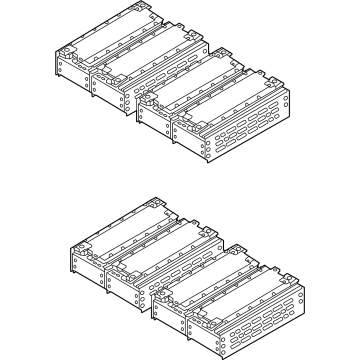
Mazda Battery Part Number: MHY1-30-2MY
$1938.43 MSRP: $2648.67You Save: $710.24 (27%)Ships in 1-2 Business DaysProduct Specifications- Other Name: Module, Battery-Hv; Module
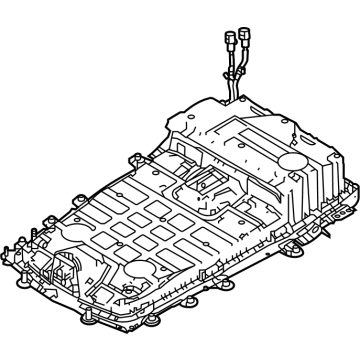
Mazda Battery Part Number: MHY1-30-210
$15708.65 MSRP: $21464.20You Save: $5755.55 (27%)Product Specifications- Other Name: Pack, Battery
- Replaced by: MHY9-30-210
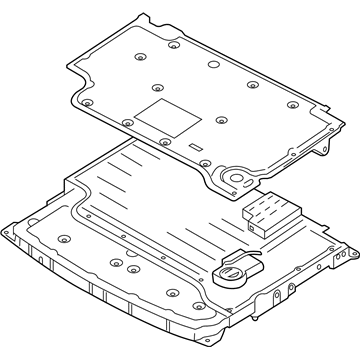
Mazda Battery Part Number: ZZDC-18-RC1
Product Specifications- Other Name: Battery, High Voltage; Battery Assembly
Mazda Batteries
Mazda Batteries provide every vehicle in the range with reliable electrical power to ensure lights, infotainment, and safety aids come on instantly and drivers feel confident the moment they push the start button. Mazda made its name by making spirited rotary power, sleek Kodo styling, and Skyactiv emphasis on squeezing more miles out of every drop of fuel and keeping the steering lively and direct. The brand also provides i-Activsense features such as radar cruise and lane-keep features that keep an eye out for traffic and i-Activ AWD that grips rough roads without dulling the ride. By combining tech with an attitude of fun-to-drive, Mazda continues to court enthusiasts with a desire for economy and excitement in one smart package. To support these qualities, the company uses the tough 12-volt Mazda Batteries, which share a six-cell layout and standard BCI sizing, making them easy to fit across hatchbacks, sedans, crossovers, and new electrified models. Modern Absorbed Glass Mat designs contain the acid within fiberglass mats, resist spills, have a longer lifespan than older flooded units, and produce strong Cold Cranking Amps for quick startups in winter. Reserve Capacity ratings keep components running during long stops, while integrated voltage control smooths out spikes that may damage sensitive modules. With these advantages, Mazda Batteries cater to the whole range and reinforce reliability and secure all electronic features.
You'll get great performance and real durability when you pick genuine OEM Batteries. Mazda builds these using high-quality materials and official factory methods to ensure they hold up mile after mile. You deserve that Mazda reliability without the headache of cheap knockoffs. It is easy to find exactly what you need in our huge inventory of genuine parts. Plus, every OEM part carries a real manufacturer's warranty for your peace of mind. You will love our low prices too. Order today and we will ship your brand-new parts fast. They often reach your door in just a few days.
Mazda Batteries Parts and Q&A
- Q: What essential steps should be taken for routine preventive maintenance of vehicle batteries on Mazda Tribute?A:A regular preventive maintenance check on the batteries in your car is a necessity in ensuring proper and reliable starting and proper equipment must also be in place to handle the same properly. The safety measures involve switching off the engine and all the accessories before servicing the batteries and removing the cables that are connected to the negative terminal. Flammable hydrogen gas is generated when the batteries are charged, therefore, do not make sparks or smoke around the batteries, and charge them in an open place. Electrolyte has corrosive sulfuric acid and therefore protective safety glasses must be used and children must be avoided. Check the outside of the batteries, positive terminal, and cable clamp have not been damaged and test the batteries to see whether there is corrosion, loose connections, or cracks. In the event of corrosion, remove batteries, cleaning them in care not to touch the ground cable. Wash the cable clamps and terminals using warm water with baking soda solution and use safety goggles and gloves but make sure that all the places cleaned are rinsed with plain water. The battery tray is to be in good condition and it must not have hold-down clamp fasteners that are too tight without being too loose. To achieve the best results, in case cables were removed, the powertrain control module has to re-learn the idle and fuel trim strategy. It is possible to remove corrosion using a solution of water and baking soda and any damaged metal elements are supposed to be treated using a primer that is zinc-based and then painted. Discharged batteries should be charged with a slow rate preferably in the winter period with a charger to be on the safe side, but the maximum amperage charger should not exceed the specified rating of the batteries. It usually takes a significant amount of time to charge using a trickle charger.
Related Mazda Parts
 Mazda Ball Joint
 Mazda Brake Caliper
 Mazda Camshaft
 Mazda Fuel Tank
 Mazda Sway Bar Link
 Mazda Camber and Alignment Kit
 Mazda Oil Pan Gasket
 Mazda Power Steering Pump Seal
 Mazda Rack and Pinions
 Mazda Shock Absorber
 Mazda Shock And Strut Mount
 Mazda Sway Bar Bushing