×
- Hello
- Login or Register
- Quick Links
- Live Chat
- Track Order
- Parts Availability
- RMA
- Help Center
- Contact Us
- Shop for
- Mazda Parts

My Garage
My Account
Cart
Genuine Mazda Brake Pad Set
Disc Brake Pad Set- Select Vehicle by Model
- Select Vehicle by VIN
Select Vehicle by Model
orMake
Model
Year
Select Vehicle by VIN
For the most accurate results, select vehicle by your VIN (Vehicle Identification Number).
122 Brake Pad Sets found
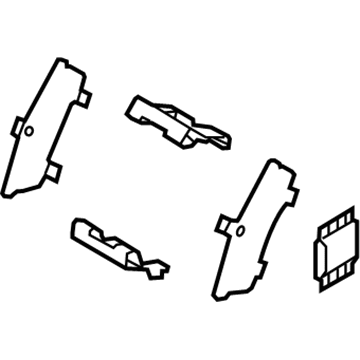
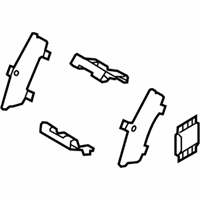
Mazda Rear Pads Part Number: NFY7-26-49Z
$19.59 MSRP: $26.12You Save: $6.53 (25%)Ships in 1-2 Business DaysProduct Specifications- Other Name: Pad Attachment, Rear; Brake Pads Mount Kit, Rear Pad
- Position: Rear
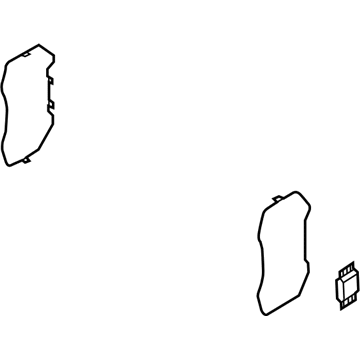
Mazda Front Pads Part Number: NAYF-33-29Z
$35.66 MSRP: $47.55You Save: $11.89 (26%)Ships in 1-2 Business DaysProduct Specifications- Other Name: Attachment, Pad-Front; Insulator Kit
- Position: Front
- Replaced by: NAYF-33-29ZA
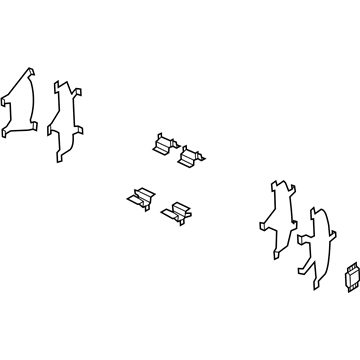
Mazda Front Pads Part Number: N2Y3-33-29ZC
$37.46 MSRP: $49.96You Save: $12.50 (26%)Ships in 1-2 Business DaysProduct Specifications- Other Name: Pad Attachment, Front; Front Pad, Insulator Kit
- Position: Front
- Replaces: N2Y3-33-29ZB
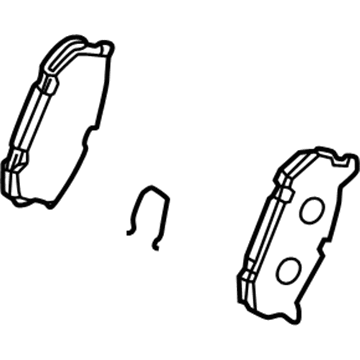
Mazda Brake Pads Part Number: GAYE-26-49ZA
$37.30 MSRP: $49.74You Save: $12.44 (26%)Ships in 1-2 Business DaysProduct Specifications- Other Name: Attachment, Pad-Rear; Brake Pad
- Replaces: GAYE-26-49Z
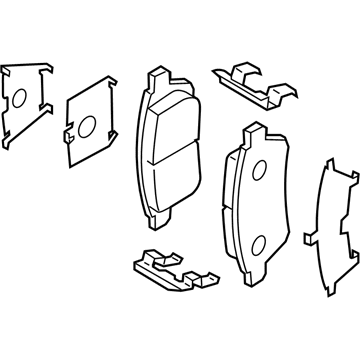
Mazda Brake Pads Part Number: D0YN-33-29ZA
$41.19 MSRP: $54.93You Save: $13.74 (26%)Ships in 1-2 Business DaysProduct Specifications- Other Name: Attachment, Pad-Front; Brake Pad
- Replaces: D0YN-33-29Z
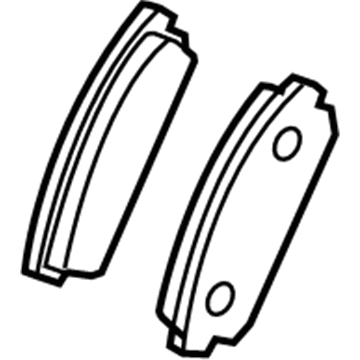
Mazda Brake Pads Part Number: L2Y6-26-48Z-MV
$44.95 MSRP: $59.94You Save: $14.99 (26%)Ships in 1-2 Business DaysProduct Specifications- Other Name: VPM, Brake Pad, Rear
- Replaced by: L2Y6-26-48ZA-MV
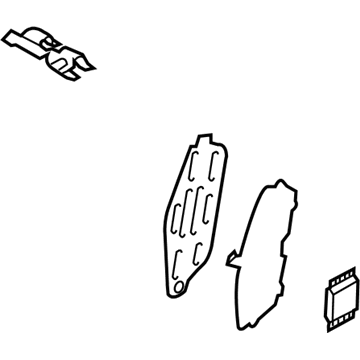
Mazda Hardware Kit Part Number: B4Y0-33-29ZB
$46.23 MSRP: $61.65You Save: $15.42 (26%)Ships in 1-2 Business DaysProduct Specifications- Other Name: Attachment, Pad-Front; Brake Pads Retainer Kit, Front Pad
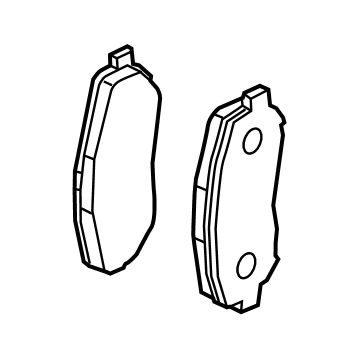
Mazda Brake Pads Part Number: K0Y1-33-28ZB-MV
$49.78 MSRP: $66.38You Save: $16.60 (26%)Ships in 1-2 Business DaysProduct Specifications- Other Name: VPM Brake Pad Set (Front)
- Replaced by: K0Y1-33-28ZD-MV
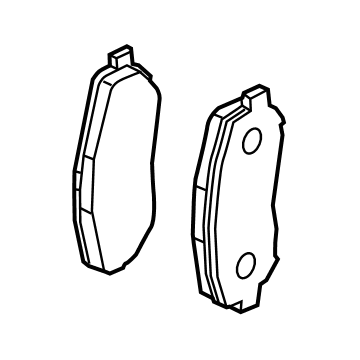
Mazda Brake Pads Part Number: L2Y6-33-28ZA-MV
$56.74 MSRP: $75.66You Save: $18.92 (26%)Ships in 1-2 Business DaysProduct Specifications- Other Name: VPM, Brake Pad, Front
- Replaced by: L2Y6-33-28ZB-MV
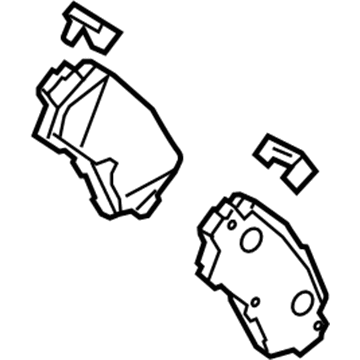
Mazda Brake Pads Part Number: KAY0-26-48ZA
$66.03 MSRP: $88.05You Save: $22.02 (26%)Ships in 1-2 Business DaysProduct Specifications- Other Name: Pad Sub Set, Rear Caliper; Brake Pad, Rear Pad
- Replaces: KAY0-26-48Z
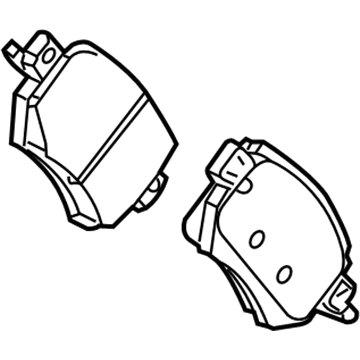
Mazda Brake Pads Part Number: BAY0-26-43ZB
$68.13 MSRP: $90.85You Save: $22.72 (26%)Ships in 1-2 Business DaysProduct Specifications- Other Name: Pad Set, Rear Caliper; Brake Pad
- Replaces: BAY0-26-43Z, BAY0-26-43ZA
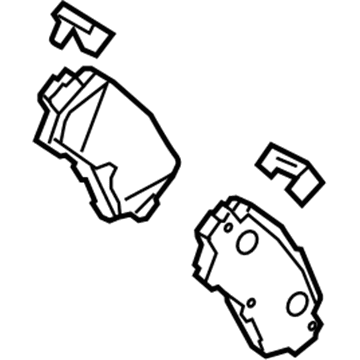
Mazda Brake Pads Part Number: BJY7-26-48ZA
$73.21 MSRP: $97.63You Save: $24.42 (26%)Ships in 1-2 Business DaysProduct Specifications- Other Name: Pad Sub Set, Rear Caliper; Brake Pad, Rear Pad
- Replaces: BJY7-26-48Z
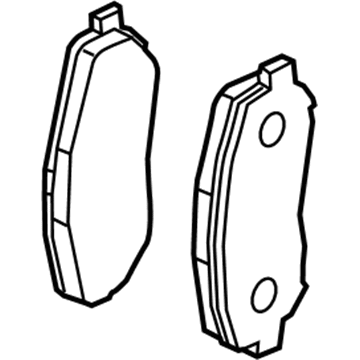
Mazda Brake Pads Part Number: BJY7-33-28ZA
$73.21 MSRP: $97.63You Save: $24.42 (26%)Ships in 1-2 Business DaysProduct Specifications- Other Name: Pad Sub Set, Front Caliper; Brake Pad, Front Pad
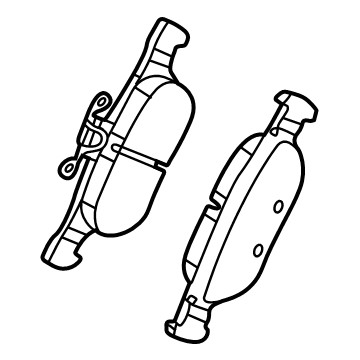
Mazda Brake Pads Part Number: BDYS-26-43ZB
$75.13 MSRP: $100.19You Save: $25.06 (26%)Ships in 1-2 Business DaysProduct Specifications- Other Name: Pad Set, Rear Caliper; Brake Pad, Rear Pad
- Replaces: BDYS-26-43Z, BDYS-26-43ZA
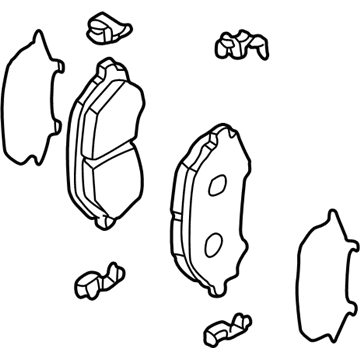
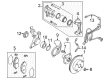
Mazda Brake Pads Part Number: B2YD-33-28Z
$76.74 MSRP: $102.34You Save: $25.60 (26%)Ships in 1-2 Business DaysProduct Specifications- Other Name: Pad Sub Set, Front Caliper; Brake Pad, Front Pad
- Replaces: B2YD-33-23Z
Mazda Brake Pads Part Number: GCYD-33-28ZE
$78.34 MSRP: $104.47You Save: $26.13 (26%)Ships in 1-2 Business DaysProduct Specifications- Other Name: Pad Set, Front Caliper; Brake Pad, Front Pad
- Replaces: GCYD-33-28ZD
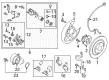
Mazda Brake Pads Part Number: K0Y1-26-48ZD
$83.19 MSRP: $110.95You Save: $27.76 (26%)Ships in 1-2 Business DaysProduct Specifications- Other Name: Pad Sub-Set, Rear Caliper; Brake Pad, Rear Pad
- Replaces: K0Y1-26-48ZC, K0Y1-26-48ZA, K0Y1-26-48Z
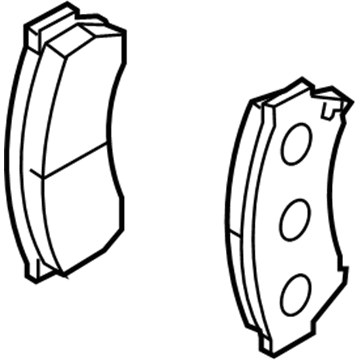
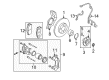
Mazda Brake Pads Part Number: GPYB-33-28ZF
$84.51 MSRP: $112.71You Save: $28.20 (26%)Ships in 1-2 Business DaysProduct Specifications- Other Name: Pad Sub Set, Front Caliper; Brake Pad, Front Pad
- Replaces: GPYB-33-28ZA, GPYB-33-28ZE, GPYB-33-28ZC, GPYB-33-28ZB, GPYB-33-28Z, GPYB-33-28ZD
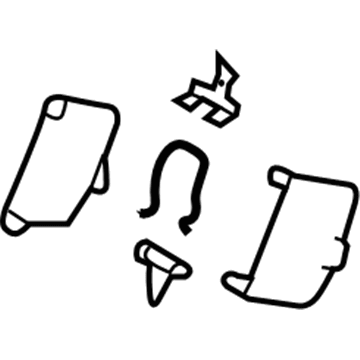
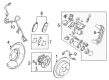
Mazda Brake Pads Part Number: GPYA-26-43ZC
$80.85 MSRP: $107.82You Save: $26.97 (26%)Ships in 1-2 Business DaysProduct Specifications- Other Name: Pad Set, Rear Caliper; Brake Pad
- Replaces: GPYA-26-43ZB
Mazda Brake Pads Part Number: BLYM-33-28Z
$86.01 MSRP: $114.71You Save: $28.70 (26%)Ships in 1-2 Business DaysProduct Specifications- Other Name: Pad Set, Front Caliper; Brake Pad, Front Pad
| Page 1 of 7 |Next >
1-20 of 122 Results
Mazda Brake Pad Set
Mazda Brake Pad Set provides confident stopping power through converting motion into controlled heat to ensure that every Mazda driver is secure when pressing the pedal. Mazda has won the world's respect for cars that blend the mischievous rotary heritage with modern Skyactiv efficiency using the striking Kodo design that appears ready to jump forward even in a parking lot. The brand also develops trust with features such as i-Activsense that keeps its eyes on the road and an adaptive all-wheel system that maintains grip on rough terrain, so the owners enjoy trips that are lively yet composed. Whether delving into mild hybrid technology or perfecting the weight balance of a classic roadster, Mazda has one objective in mind, build machines that react immediately to driver will, make daily commutes feel like spirited drives. To match that philosophy, the Brake Pad Set is a combination of a steel backing plate and advanced friction materials which bite into the rotor, dissipate heat rapidly, and resist fade when the brake is repeatedly applied. Acoustic layers and smart wear indicators remind drivers when to change pads to protect rotors and keep pedal feel crisp. Choices such as ceramic for low dust or semi-metallic for high heat allow one Brake Pad Set to be applied for different driving styles across the lineup without restricting compatibility. Regular replacement ensures that Mazda braking distances remain short, that signature sporty feedback is retained, and that the safety legacy woven into every Mazda model is maintained.
You'll get great performance and real durability when you pick genuine OEM Brake Pad Set. Mazda builds these using high-quality materials and official factory methods to ensure they hold up mile after mile. You deserve that Mazda reliability without the headache of cheap knockoffs. It is easy to find exactly what you need in our huge inventory of genuine parts. Plus, every OEM part carries a real manufacturer's warranty for your peace of mind. You will love our low prices too. Order today and we will ship your brand-new parts fast. They often reach your door in just a few days.
Mazda Brake Pad Set Parts and Q&A
- Q: How to properly replace a Brake Pad Set and ensure the brakes operate correctly on Mazda 3?A:Take off the cap of the brake fluid reservoir, then unscrew the lug nuts of the wheels, then position the vehicle on jack stands and block the wheels at the other end. Take the wheels off and handle one braking assembly at a time with the other assembled braking assembly as a guide where needed. Check the brake disc, remove the disc to also remove the pads in case the machining is needed. Wash the brake thoroughly using brake system cleaner and then let it dry with a drain pan underneath so that any residue can be captured before disassembling the brake. Do not use compressed air to blow away the brake dust. In the case of front brake pads, use a large C clamp to press the piston into the caliper to provide space where the new pads are to be placed, making sure that the master cylinder reservoir is not filled up. Unscrew the retaining clip and the plastic caps on the caliper mounting bolts and then remove the caliper mounting bolts using a hex bit socket wrench. Pry out the inner brake pad and affix the caliper to the suspension using stiff wire then remove the outer brake pad. Install the inner pad, ensuring that the clips fit into the caliper piston, then a pad on the outer in the caliper bracket. Wipe off the caliper mounting bolts, lubricate the non-threaded part with high-temperature grease, and reattach the bolts and tighten them to the right torque. Lastly, insert the retaining clip into the holes where the caliper locations are and screw the ends under the caliper mounting bracket. With rear brake pads, turn the parking brake lever to the open end using channel lock pliers, take out the plastic caps and the caliper mounting bolts. Be careful not to lose the spring retaining clip and remove the caliper, then support the caliper with wire. Removed the inner and outer brake pads and turned the piston clockwise pushing it back into the caliper with a retraction tool or needle-nose pliers. Install the inner and outer pads in the caliper bracket, clean the caliper mounting bolts, smear the high-temperature grease, reposition the bolts, and tighten them to the required torque. Reconnect the parking brake cable, making sure that the ball stud is positioned in the lever and verify the parking brake to be working and adjust accordingly. In order to fit the new brake pads, fully insert the piston into the caliper bore by turning it clockwise. Attach a hose to the caliper bleed screw and put the other end that is attached in a container and open the bleed screw as the piston is pulled away to gather excess brake fluid. Once the caliper has been reinstalled, tighten the mounting bolts to the designated torque, carefully press the brake pedal several times to contact the pads with the disc, examine the level of the brake fluid and add it, as needed, to ensure the brakes are functioning properly and then place the vehicle back into regular service.
- Q: Why is it important to follow safety and procedural steps when replacing a Brake Pad Set on Mazda MX-5 Miata?A:The dust produced by the brake system is known to be a health hazard and blowing of the brake dust using a compressed air will cause the dust to be inhaled and therefore when working on the brake system it is important to wear an approved filtering mask and be able to blow the dust off the brake system instead of inhaling. One should not use solvents that are petroleum-based to clean the brake parts, a brake system cleaner is the only one. Start by taking off the cap of the brake fluid reservoir, this is followed by loosening the wheel lug nuts, lifting the rear of the vehicle and firmly placing it on the jackstands and blocking the wheels at the other end. Take the wheels off and deal with one brake assembly at a time with the other one being already assembled to use as a reference. Check the wear of the brake pads and the brake disc carefully; should there be need to machine it, remove the disc, and the pads. Open the hood and straight off take the cap off the brake fluid reservoir. To fit 2005 and earlier models, unscrew the plug of the manual adjustment screw gear and push the brake caliper piston in the caliper by turning the manual adjustment gear counterclockwise using an Allen wrench and ensure the fluid level rises and is cleared. The lower mounting bolt of the caliper screw is unscrewed and the caliper swung upwards to allow access to the brake pads. In 2006 and beyond models, you should remove both the upper and lower caliper mounting bolts, and. attach the caliper to the coil spring of the shock absorber by a piece of wire to ensure the safety of the brake hydraulic hose and parking brake cable. Take off M-shaped spring, brake pads, shim plates and caliper guide plates. On models 2006 and more, the process is the same except the piston is pushed back into the caliper with a special tool or a large needle-nose pliers turning the piston clockwise until it is completely retracted and the level of the fluid is checked. Having new replacement brake pads prepared, a light application of anti-squeal compound should be made to the backing plates, and that too, without touching the friction surfaces. Install the new pads and install the outer and inner shims, re-install the caliper guides and the M-shaped spring of 2005 and earlier models and with the new pads in place rotate the caliper down over the pads. Re-install and screw the caliper lower mounting bolt to the desired torque. In 2005 or older models rotate the manual adjust gear clockwise until the brake pads touch the brake disc then rotate it 1/3 counterclockwise. Install the manual adjustment gear plug again and screw it in place and install the brake fluid reservoir cover again. Measure the level of brake fluid reservoir and add or remove make sure that the same is applied to the other wheel brake pad replacement. Once the job is finished, make sure to press the brake pedal down several times to engage the pads to contact the disc, test the level of the brake fluid, and verify that the brakes are functioning properly then place the vehicle in regular service.
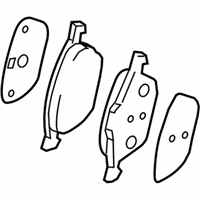
Related Mazda Parts
 Mazda A/C Compressor
 Mazda CV Joint
 Mazda Ignition Switch
 Mazda Parking Sensors
 Mazda Window Regulator
 Mazda Air Bag Clockspring
 Mazda Canister Purge Valves
 Mazda CV Joint Boot
 Mazda Door Lock Switch
 Mazda Fuel Filler Housing
 Mazda Hood Hinge
 Mazda Oil Pump Gasket
Browse by Model
2 Brake Pad Set 3 Brake Pad Set 323 Brake Pad Set 5 Brake Pad Set 6 Brake Pad Set 626 Brake Pad Set 929 Brake Pad Set B2000 Brake Pad Set B2200 Brake Pad Set B2300 Brake Pad Set B2500 Brake Pad Set B2600 Brake Pad Set B3000 Brake Pad Set B4000 Brake Pad Set CX-3 Brake Pad Set CX-30 Brake Pad Set CX-5 Brake Pad Set CX-50 Brake Pad Set CX-7 Brake Pad Set CX-9 Brake Pad Set GLC Brake Pad Set Miata Brake Pad Set Millenia Brake Pad Set MPV Brake Pad Set MX-3 Brake Pad Set MX-30 EV Brake Pad Set MX-5 Miata Brake Pad Set MX-6 Brake Pad Set Navajo Brake Pad Set Protege Brake Pad Set Protege5 Brake Pad Set RX-7 Brake Pad Set RX-8 Brake Pad Set Tribute Brake Pad Set