×
- Hello
- Login or Register
- Quick Links
- Live Chat
- Track Order
- Parts Availability
- RMA
- Help Center
- Contact Us
- Shop for
- Mazda Parts

My Garage
My Account
Cart
Genuine Mazda Cooling Fan Assembly
Engine Cooling Fan- Select Vehicle by Model
- Select Vehicle by VIN
Select Vehicle by Model
orMake
Model
Year
Select Vehicle by VIN
For the most accurate results, select vehicle by your VIN (Vehicle Identification Number).
Filter by Part Type
Filter by Part Type
165 Cooling Fan Assemblys found
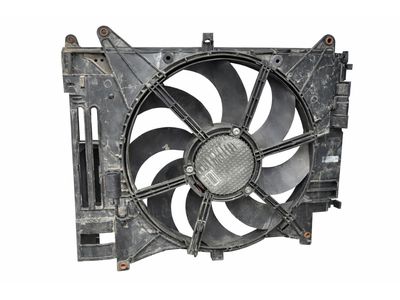
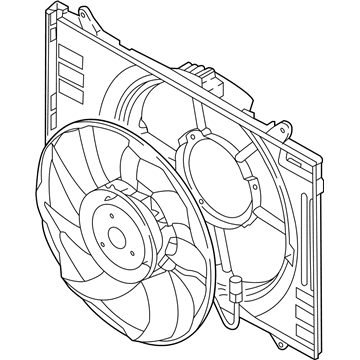
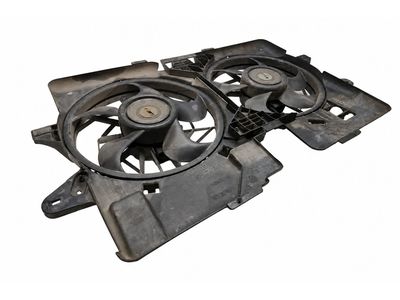
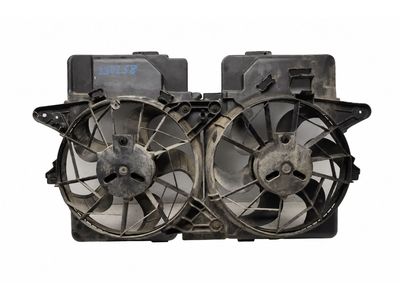
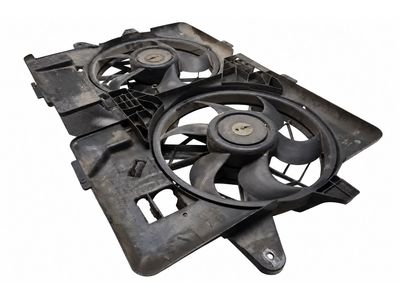
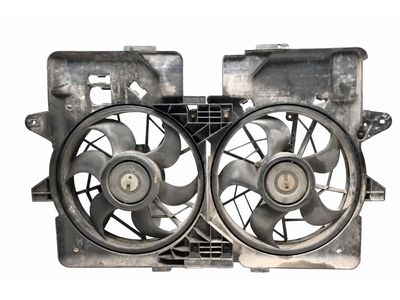
Mazda Fan Assembly Part Number: PY8W-15-025
$1003.02 MSRP: $1370.52You Save: $367.50 (27%)Ships in 1-2 Business DaysProduct Specifications- Other Name: Fan, Electric
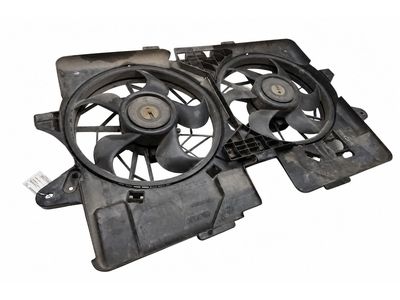
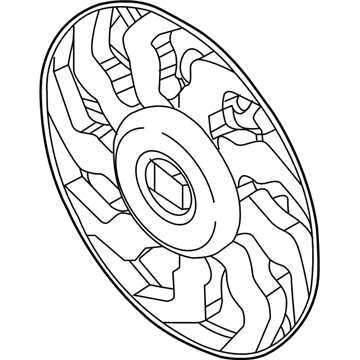
Mazda Fan Blade Part Number: P51N-15-140
$88.54 MSRP: $118.07You Save: $29.53 (26%)Ships in 1-2 Business DaysProduct Specifications- Other Name: Fan, Cooling
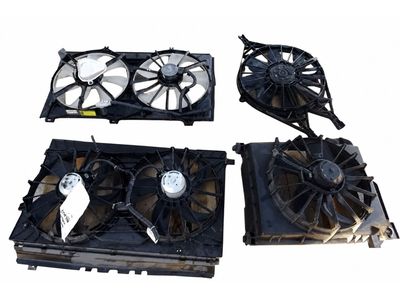
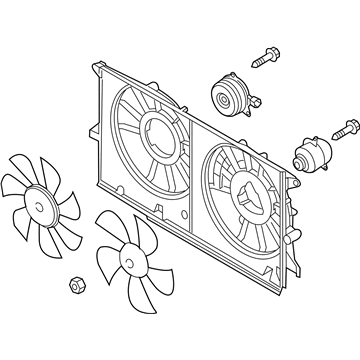
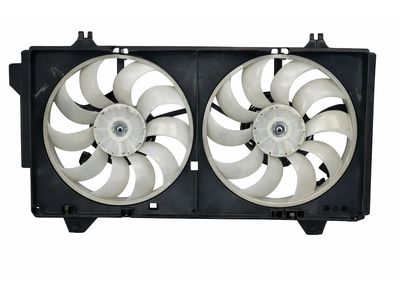
Mazda Fan Assembly Part Number: LFFM-15-025B
$737.61 MSRP: $1007.87You Save: $270.26 (27%)Ships in 1-2 Business DaysProduct Specifications- Other Name: Fan, Electric; Fan Module
- Replaces: LFFM-15-025A
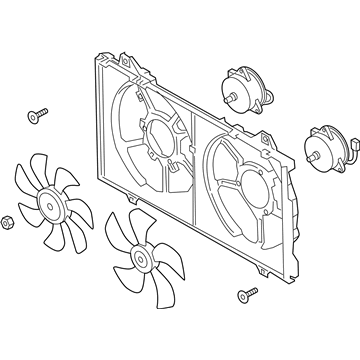
Mazda Fan Assembly Part Number: PE11-15-025A
$856.72 MSRP: $1170.61You Save: $313.89 (27%)Ships in 1-2 Business DaysProduct Specifications- Other Name: Fan, Electric; Fan Module
- Replaces: PE11-15-025
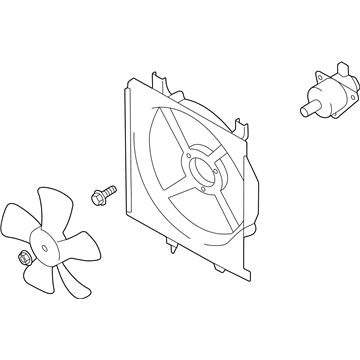
Mazda Fan Assembly Part Number: B6MC-15-035
$509.63 MSRP: $685.13You Save: $175.50 (26%)Ships in 1-2 Business DaysProduct Specifications- Other Name: Fan, Additional (4 Blade)
- Position: Passenger Side
- Replaces: NC10-61-710B, NC10-61-710
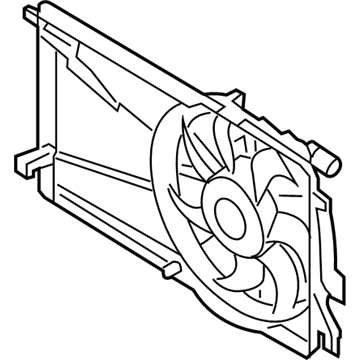
Mazda Fan Assembly Part Number: Z602-15-025G
$630.75 MSRP: $861.86You Save: $231.11 (27%)Product Specifications- Other Name: Fan, Electric; Fan Module
- Replaces: Z602-15-025C, Z602-15-025B, Z602-15-025E, Z602-15-025D, Z602-15-025F
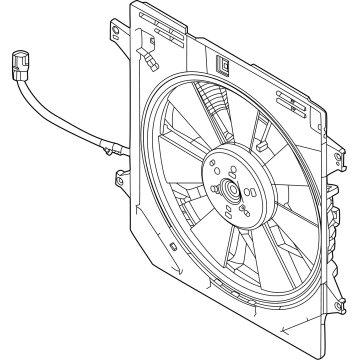
Mazda Fan, Electric Part Number: PX28-15-025D
$863.96 MSRP: $1180.50You Save: $316.54 (27%)Ships in 1-2 Business DaysProduct Specifications- Other Name: FAN,ELECTRIC; Fan Assembly, Fan Module
- Replaces: PX28-15-025B, PX28-15-025C, PX28-15-025A

Mazda Resistor Part Number: PAF1-18-831
$55.03 MSRP: $73.38You Save: $18.35 (26%)Ships in 1-2 Business DaysProduct Specifications- Other Name: Fan Module
Mazda Fan Assembly Part Number: BP4W-15-025
$287.08 MSRP: $382.85You Save: $95.77 (26%)Ships in 1-2 Business DaysProduct Specifications- Other Name: Fan, Electric
- Position: Driver Side
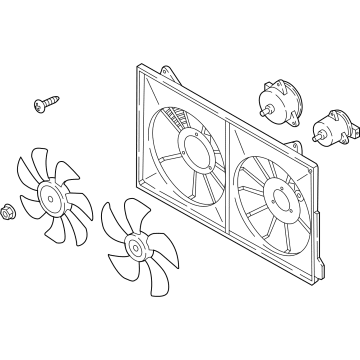
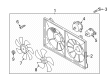
Mazda Fan Assembly Part Number: PYFV-15-025
$536.25 MSRP: $720.91You Save: $184.66 (26%)Ships in 1-2 Business DaysProduct Specifications- Other Name: Fan, Electric; Fan Module
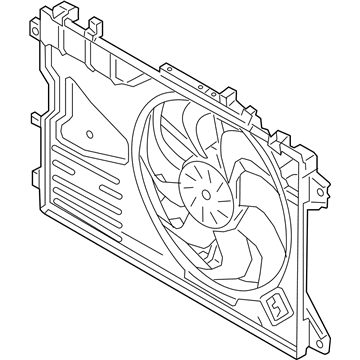
Mazda Fan Assembly Part Number: PXNS-15-025
$642.61 MSRP: $878.05You Save: $235.44 (27%)Ships in 1-2 Business DaysProduct Specifications- Other Name: Fan, Electric; Fan & Motor, Fan Module
Mazda Fan Assembly Part Number: PXPV-15-025
$931.81 MSRP: $1273.22You Save: $341.41 (27%)Ships in 1-2 Business DaysProduct Specifications- Other Name: Fan, Electric
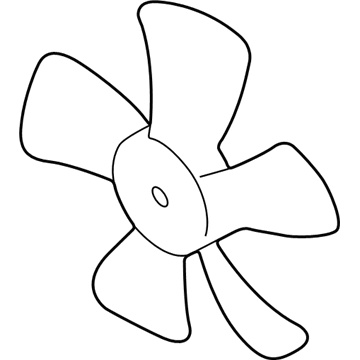
Mazda Blade Part Number: B61P-15-140
$49.48 MSRP: $65.98You Save: $16.50 (26%)Ships in 1-2 Business DaysProduct Specifications- Other Name: Fan, Cooling; Fan Blade
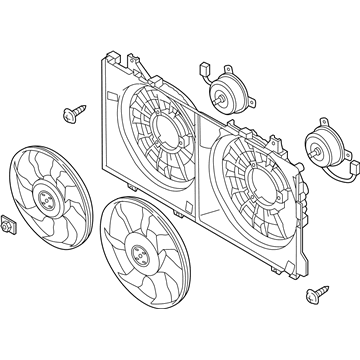
Mazda Fan Assembly Part Number: PE20-15-025
$407.64 MSRP: $548.01You Save: $140.37 (26%)Ships in 1-2 Business DaysProduct Specifications- Other Name: Fan, Electric; Fan Module
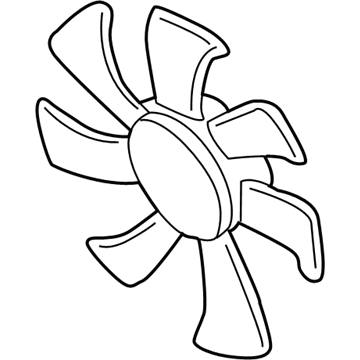
Mazda Fan Part Number: GY01-15-140
$7.70 MSRP: $62.20You Save: $54.50 (88%)Ships in 1-2 Business DaysProduct Specifications- Other Name: Fan, Cooling (5 Blade); Fan Blade
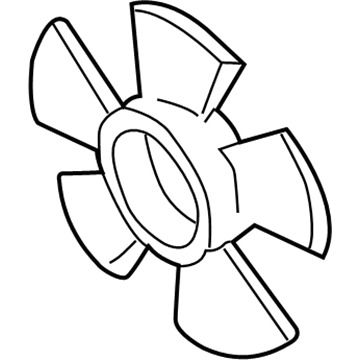
Mazda Fan Blade Part Number: RF1V-15-140
$8.84 MSRP: $69.03You Save: $60.19 (88%)Ships in 1-2 Business DaysProduct Specifications- Other Name: Fan, Cooling
- Position: Driver Side
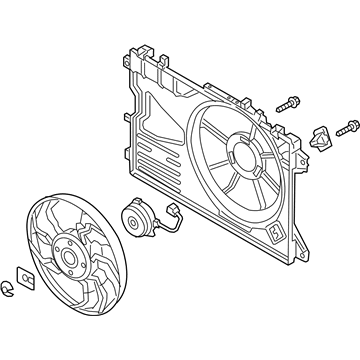
Mazda Fan Assembly Part Number: PAF2-15-025
$624.82 MSRP: $853.76You Save: $228.94 (27%)Ships in 1-2 Business DaysProduct Specifications- Other Name: Fan, Electric; Fan & Motor
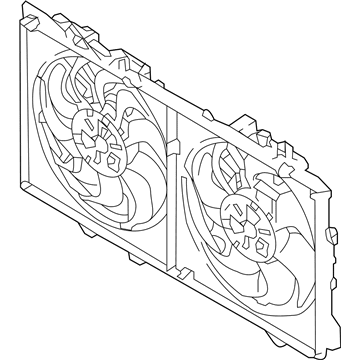
Mazda Fan Assembly Part Number: PYG6-15-025B
$659.14 MSRP: $900.64You Save: $241.50 (27%)Ships in 1-2 Business DaysProduct Specifications- Other Name: Fan, Electric; Fan Module
- Replaces: PYG6-15-025A
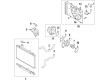
Mazda Fan Assembly Part Number: PEHH-15-025
$690.46 MSRP: $943.44You Save: $252.98 (27%)Ships in 1-2 Business DaysProduct Specifications- Other Name: Fan, Electric; Fan Module
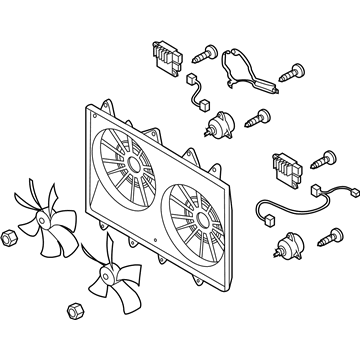
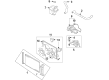
Mazda Fan Assembly Part Number: CY03-15-025G
Product Specifications- Other Name: Fan, Electric
- Replaces: CY03-15-025E, CY03-15-025F
| Page 1 of 9 |Next >
1-20 of 165 Results
Mazda Cooling Fan Assembly
The Mazda Cooling Fan Assembly helps to protect engine health by forcing cool air through the radiator during low speed driving and hot idle. Mazda made its name with lively handling, elegant Kodo styling and forward thinking Skyactiv technology that gets more power from every drop of fuel and keeps emissions low. Drivers love the way Mazda uses a combination of light weight and i-Activsense features to make every journey feel responsive and safe, whether they're taking a back road or traveling across town. The brand also delves into hybrid and electric systems and perfects an all wheel drive configuration that reads road conditions in real time proving Mazda never rests on laurels when it comes to efficiency and fun. Supporting that philosophy of balance, the Cooling Fan Assembly makes use of an electric motor, slim polymer blades and a tight shroud to move air just when sensors indicate rising coolant temperatures. Unlike the older belt driven fans, the modern Cooling Fan Assembly varies its speed independent of engine rpm, saving energy while driving on the highway and ramping up immediately when traffic stalls. Its intelligent air flow control prevents the aluminum block from heat stress and ensures that the cabin climate is maintained and steady, and even reduces the noise so the revving engine note remains pleasant. Because all models in the Mazda range share a need for effective thermal management, this small component provides universal value across the range, extending engine life and preserving the spirited nature that defines Mazda.
You'll get great performance and real durability when you pick genuine OEM Cooling Fan Assembly. Mazda builds these using high-quality materials and official factory methods to ensure they hold up mile after mile. You deserve that Mazda reliability without the headache of cheap knockoffs. It is easy to find exactly what you need in our huge inventory of genuine parts. Plus, every OEM part carries a real manufacturer's warranty for your peace of mind. You will love our low prices too. Order today and we will ship your brand-new parts fast. They often reach your door in just a few days.
Mazda Cooling Fan Assembly Parts and Q&A
- Q:What should you check for before diagnosing issues with the Cooling Fan Assembly on Mazda 3?A:It is always advisable to look out at fuses that have blown before you even begin to diagnose a problem with electrical circuit. In case the cooling fan is not turning on as the engine overheats, or when the engine overheats and the cooling fan does not do so, verify the fan fuses in the underhood fuse/relay box. Test all connections and wiring to the fan control module in case the fuses are fine. In case there are no apparent issues, this might be a fan motor, Engine Coolant Temperature sensor, A/C refrigerant pressure switches, Vehicle Speed Sensor, A/C compressor magnetic clutch, fan control module, or Powertrain Control Module. In order to change the fan, unscrew the battery cover and pull out the cable of the negative battery terminal. Unscrew the electrical connectors of fan motor and fan-control electronic module. Lift the car up and place it on jackstands making sure it is firmly in place, then take away the splash shields. Drain the cooling system; in the event that the coolant is quite new and in good condition save it to be reused. Unscrew the upper radiator hose of the radiator, and the coolant reserve hose of the tank and place them aside. In those that have auto transaxles, you dislodge the clips that hold the transaxle cooler lines in place, leading to the fan shroud. Take out the fresh air intake duct and remove the wire harness clips on the fan shroud and position the harness out of the shroud. Unscrew the two large clips on the top of the fan shroud and dismount the fan/shroud assembly out of the vehicle. In order to un-couple the fan blade with the motor, loosen the nut/ retaining clip on the motor shaft and remove the fan blade. In order to disassemble the motor and the shroud, do away with the retaining bolts. Installation is the opposite of removal, such that the rubber air shields of the shroud are installed to be effective in the running of the cooling system. Reassemble the battery and recharge the cooling system. Turn the engine on and allow the engine to reach normal operating temperature, and inspect for leaks and correct operation.
- Q:How to remove and install the Cooling Fan Assembly on Mazda B2200?A:In removing and installing the fan assembly to pickups and MPVs, it is necessary to loosen and then remove the drive belts. Then loosen the bolts that hold the fan shroud to the radiator support and either take the shroud off in case there is adequate room between fan blades and radiator, or rearrange it to access it easier. Install Unscrew and remove the fan on the water pump by removing the mounting bolts or nuts, but do not lay the fan on its side with a clutch on its side, or it may lose fluids and may need a replacement of the clutch. Examine fan blades and ensure it does not have any cracks or damages and change them where needed. Installation To install, re-mount the fan assembly to the water pump and pulley, using the mounting nuts or bolts by tightening them to 60-70 inch lbs. and then install the shroud and drive belts once more, set to the proper tension. In the case of the Navajo model, the first step would be to take out the fan shroud followed by the relevant tools to loosen the large nut connecting the clutch to the water pump hub, and then twist it clockwise. Once the fan/clutch assembly and fan-to-clutch bolts have been removed, the reverse sequence should be followed as to the bolts, i.e. the fan-to-clutch bolts should be installed with the same hand as the fan-to-clutch bolts (i.e., the hub should be tightened counterclockwise) and the hub nut should be tightened in the same direction.
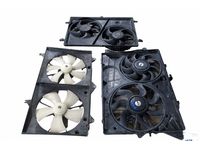

Related Mazda Parts
 Mazda Drive Belt
 Mazda Thermostat
 Mazda Coolant Reservoir
 Mazda Radiator Drain Plug
 Mazda Radiator fan
 Mazda Radiator Hose
 Mazda Thermostat Housing
 Mazda Coolant Pipe
 Mazda Coolant Reservoir Cap
 Mazda Cooling Fan Module
 Mazda Fan Motor
 Mazda Water Pump Gasket
Browse by Model
2 Cooling Fan Assembly 3 Cooling Fan Assembly 323 Cooling Fan Assembly 5 Cooling Fan Assembly 6 Cooling Fan Assembly 626 Cooling Fan Assembly 929 Cooling Fan Assembly B2000 Cooling Fan Assembly B2200 Cooling Fan Assembly B2300 Cooling Fan Assembly B2500 Cooling Fan Assembly B2600 Cooling Fan Assembly B3000 Cooling Fan Assembly B4000 Cooling Fan Assembly CX-3 Cooling Fan Assembly CX-30 Cooling Fan Assembly CX-5 Cooling Fan Assembly CX-50 Cooling Fan Assembly CX-7 Cooling Fan Assembly CX-70 Cooling Fan Assembly CX-9 Cooling Fan Assembly CX-90 Cooling Fan Assembly Miata Cooling Fan Assembly Millenia Cooling Fan Assembly MPV Cooling Fan Assembly MX-3 Cooling Fan Assembly MX-30 EV Cooling Fan Assembly MX-5 Miata Cooling Fan Assembly MX-6 Cooling Fan Assembly Navajo Cooling Fan Assembly Protege Cooling Fan Assembly Protege5 Cooling Fan Assembly RX-7 Cooling Fan Assembly RX-8 Cooling Fan Assembly Tribute Cooling Fan Assembly