×
- Hello
- Login or Register
- Quick Links
- Live Chat
- Track Order
- Parts Availability
- RMA
- Help Center
- Contact Us
- Shop for
- Mazda Parts

My Garage
My Account
Cart
Genuine Mazda Cylinder Head
Head- Select Vehicle by Model
- Select Vehicle by VIN
Select Vehicle by Model
orMake
Model
Year
Select Vehicle by VIN
For the most accurate results, select vehicle by your VIN (Vehicle Identification Number).
52 Cylinder Heads found

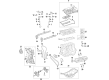
Mazda Cylinder Head Part Number: PYFA-10-100E
$1177.80 MSRP: $1609.33You Save: $431.53 (27%)Ships in 1-2 Business DaysMazda Head, Cylinder Part Number: PYYA-10-SJ0A
$1907.41 MSRP: $2606.27You Save: $698.86 (27%)Ships in 1-2 Business DaysProduct Specifications- Other Name: HEAD,CYLINDER; Cylinder Head
- Replaces: PYYA-10-SJ0
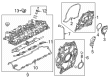
Mazda Head, Cylinder Part Number: H3Y1-10-SJ0A
$2185.80 MSRP: $2986.67You Save: $800.87 (27%)Ships in 1-2 Business DaysProduct Specifications- Other Name: HEAD,CYLINDER; Cylinder Head
- Replaces: H3Y1-10-SJ0
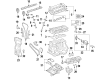
Mazda Cylinder Head Part Number: L504-10-090
$954.53 MSRP: $1304.25You Save: $349.72 (27%)Ships in 1-2 Business DaysProduct Specifications- Other Name: Cylinder Head, Complete
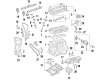
Mazda Cylinder Head Part Number: L3K9-10-090G
$1529.65 MSRP: $2090.10You Save: $560.45 (27%)Ships in 1-2 Business DaysProduct Specifications- Other Name: Head, Cylinder
- Replaces: L3K9-10-090A, L3K9-10-090C, L3K9-10-090F
Mazda Cylinder Head Part Number: AJ5T-10-100R-0A
$428.59 MSRP: $562.56You Save: $133.97 (24%)Ships in 1-2 Business DaysProduct Specifications- Other Name: Head Right, Cylinder
Mazda Cylinder Head Part Number: ZZC4-10-1A0R-0A
$640.51 MSRP: $870.90You Save: $230.39 (27%)Product Specifications- Other Name: Head Left, Cylinder
- Replaces: ZZC4-10-1A0A, ZZC4-10-1A0, ZZC4-10-1A0R-00
Mazda Cylinder Head Part Number: B541-10-100D
$807.12 MSRP: $1102.85You Save: $295.73 (27%)Ships in 1-2 Business Days
Mazda Cylinder Head Part Number: FS7N-10-100
$865.11 MSRP: $1182.08You Save: $316.97 (27%)Ships in 1-2 Business DaysProduct Specifications- Other Name: Head, Cylinder, Bare
Mazda Cylinder Head Part Number: ZY37-10-01XB
$897.35 MSRP: $1226.13You Save: $328.78 (27%)Product Specifications- Other Name: Head, Cylinder-Sub
Mazda Head Set, Cylinder Part Number: PYY6-10-SJ0B
$1027.00 MSRP: $1403.28You Save: $376.28 (27%)Ships in 1-2 Business DaysProduct Specifications- Other Name: HEAD SET,CYLINDER; Cylinder Head
- Replaced by: PYY6-10-SJ0A
Mazda Cylinder Head Part Number: LFE2-10-090K
$1071.36 MSRP: $1463.90You Save: $392.54 (27%)Ships in 1-2 Business DaysProduct Specifications- Other Name: Head, Cylinder
- Replaces: LFE2-10-090G, LFE2-10-090C, LFE2-10-090E, LFE2-10-090J, LFE2-10-090F
Mazda Cylinder Head Part Number: PEKC-10-100
$1076.50 MSRP: $1470.93You Save: $394.43 (27%)Ships in 1-2 Business DaysProduct Specifications- Other Name: Head, Cylinder
Mazda Cylinder Head Part Number: ZZD2-10-1A0
$909.47 MSRP: $1235.51You Save: $326.04 (27%)Product Specifications- Other Name: Head(Left), Cylinder
Mazda Cylinder Head Part Number: FSD7-10-100
$1171.31 MSRP: $1600.48You Save: $429.17 (27%)Ships in 1-2 Business DaysProduct Specifications- Other Name: Head, Cylinder
Mazda Cylinder Head Part Number: YF71-10-100R-00
$1110.76 MSRP: $1513.43You Save: $402.67 (27%)Ships in 1-2 Business DaysProduct Specifications- Other Name: Reman, Head Cyclinder
- Replaces: YF71-10-100
Mazda Cylinder Head Part Number: BP4W-10-100C
$1386.21 MSRP: $1894.12You Save: $507.91 (27%)Ships in 1-2 Business DaysProduct Specifications- Other Name: Head, Cylinder
- Replaces: BP4W-10-100B
Mazda Cylinder Head Part Number: 1F00-10-100R-0A
Product Specifications- Other Name: Cylinder Head, Reman(W/Valves)
- Replaces: 1F01-10-100A, 1F00-10-100, 1F01-10-100, 1F00-10-100A
Mazda Cylinder Head Part Number: B61P-10-100H
Mazda Cylinder Head Part Number: L3N5-10-090L
Product Specifications- Other Name: Head, Cylinder
- Replaces: L3N5-10-090G, L3N5-10-090K, L3N5-10-090F, L3G6-10-090H, L3N5-10-090H
| Page 1 of 3 |Next >
1-20 of 52 Results
Mazda Cylinder Head
The Mazda Cylinder Head is the sealed rooftop of each combustion chamber and helps to direct air fuel flow and allows exhaust to escape so the engine can breathe freely and deliver lively power. Mazda has built a worldwide reputation for nimble handling, fuel-efficient Skyactiv technology and a Kodo design that makes every shape pulse. From compact hatchbacks to adventurous SUVs, Mazda infuses its lineup with responsive steering, lightweight construction and i-Activsense features that watch the road and support confident driving. Its pursuit of efficient motion extends to electric and mild hybrid choices while i-Activ AWD proves itself on rough terrain and these traits combine to give Mazda owners a blend of excitement and practicality. Inside this spirited platform, the Cylinder Head sits on the engine block, holding the valves, spark plugs, coolant passages, and sometimes injectors, all arranged to reduce restriction and increase horsepower over the entire brand range. Aluminum versions lose weight for faster revs and cooler operation, while cast iron versions offer additional toughness for long life, and both have reinforced areas that allow port work without penetrating water jackets. A torque to yield bolt holds the Cylinder Head tightly clamped to ensure the gasket does not seep and overheating or fluid mixing is avoided, safeguarding the unmistakable zoom of every Mazda engine.
You'll get great performance and real durability when you pick genuine OEM Cylinder Head. Mazda builds these using high-quality materials and official factory methods to ensure they hold up mile after mile. You deserve that Mazda reliability without the headache of cheap knockoffs. It is easy to find exactly what you need in our huge inventory of genuine parts. Plus, every OEM part carries a real manufacturer's warranty for your peace of mind. You will love our low prices too. Order today and we will ship your brand-new parts fast. They often reach your door in just a few days.
Mazda Cylinder Head Parts and Q&A
- Q:What are the basic types of cylinder heads used in today's automobiles on Mazda Millenia?A:Cylinder heads on the current automobiles come in two fundamental types: Overhead Valve (OHV) and Overhead Camshaft (OHC) which is subdivided into Single Overhead Camshaft (SOHC) and Dual Overhead Camshaft (DOHC). In general, a head with a single camshaft is merely referred to as an OHC head and an engine that uses a OHV cylinder head is referred to as a pushrod engine. Cylinder heads are manufactured mostly of the aluminum alloy, because of its lightness, strength, and thermal conduction but cast iron is also extensively used in many automobiles. Every cylinder head has valves and seats and some of these engines have two valves per cylinder and advanced engines have multi-valve arrangements. The valve is known to contact the seat on the precision machined surfaces, to cover the combustion chamber and also the valve has a guide which centers it and enables motion. Adequate clearance between the guide and valve is very important, too much clearance may result in oil consumption and damage whereas too little clearance may result in sticking. Valve springs are used to stabilize the valves on the seats and put them back into position when they are open. Ideally, the process of rebuilding a cylinder head will also require replacement of all the valves, guides, seals and springs however this may not be the case depending on the maintenance of the engine. Other typical causes of wear are that with improper tuning, the wear may be very rapid due to oil washing out or overly high temperatures of combustion. All components are also impacted by mileage and although most of them can be machined and re-used, burnt valves are to be replaced as well as any other worn parts. The process of disassembly of either of the two cylinder head types is the same, with special consideration to labeling of parts, particularly with the dual camshaft heads. C-clamp style valve spring compressor and OHC spring removal tool are required in the case of cup-type camshaft followers, and a typical valve spring compressor might be used in the case of rocker arm-type followers. The cleaning components are inspected by checking valves which may have cracks, wear as well as tulipping and also measuring valve stem diameters. Checking springs, retainers and valve locks must also be checked to ensure they are not broken or worn out and the cylinder head in question must also be examined to determine the condition of the guides, wear of the seats, levelness of the surface and cracks. Valve guide repair procedures are knurling, inserts, oversizing of reaming, and replacing and valve seat should be centered to value guide. In case the cylinder head is distorted, it should be flattened and the cracks might need repairing by a professional. Assembling involves a working area, greasing of the stem of the valves and fitting parts in their correct places making sure all parts are in their proper places and fitted.
- Q:How to Disassemble a Cylinder Head on Mazda Protege?A:Most engines commonly have new and rebuilt cylinder heads which are readily available at dealerships and auto parts stores and it is more practical and economical for home mechanics to buy a replacement head than to disassemble, inspect and refurbish the old one because of the specialized tools and the unavailability of replacement parts. Disassembly entails the removal of the intake and exhaust valves as well as other associated parts, in the assumption that the lifters and camshafts are already removed. It is also necessary to remove the valves in their components and store them in order to be reinstalled in the same valve guides. Removing the first valve To take out the springs, press a spring compressor, remove the keepers, and then scale back the compressor with care to leave retainer, spring and spring seat attached, without damaging the bores of the lifters. When a valve binds in the guide, there is a possibility that the keeper groove should be deburred around. The same must be applied to all the valves that are left over with everything arranged so when they are installed again. Once all the valves and parts have been taken off and stored, cleaning and inspection of the head must be completed, the job of dismantling the engine may also be done at this stage should a complete overhaul be being completed before the cleaning and inspection of the cylinder head begins.
Related Mazda Parts
 Mazda Belt Tensioner
 Mazda Timing Chain
 Mazda Oil Pump
 Mazda Timing Chain Tensioner
 Mazda Crankshaft Gear
 Mazda Crankshaft Timing Gear
 Mazda Cylinder Head Gasket
 Mazda Engine Oil Cooler
 Mazda Idler Pulley
 Mazda Piston Ring Set
 Mazda Pushrod
 Mazda Rod Bearing
Browse by Model
2 Cylinder Head 3 Cylinder Head 5 Cylinder Head 6 Cylinder Head 626 Cylinder Head 929 Cylinder Head B2300 Cylinder Head B2600 Cylinder Head B3000 Cylinder Head B4000 Cylinder Head CX-5 Cylinder Head CX-50 Cylinder Head CX-7 Cylinder Head CX-70 Cylinder Head CX-9 Cylinder Head CX-90 Cylinder Head Miata Cylinder Head Millenia Cylinder Head MPV Cylinder Head MX-3 Cylinder Head MX-5 Miata Cylinder Head Protege Cylinder Head Protege5 Cylinder Head Tribute Cylinder Head