×
- Hello
- Login or Register
- Quick Links
- Live Chat
- Track Order
- Parts Availability
- RMA
- Help Center
- Contact Us
- Shop for
- Mazda Parts

My Garage
My Account
Cart
Genuine Mazda Clutch Master Cylinder
- Select Vehicle by Model
- Select Vehicle by VIN
Select Vehicle by Model
orMake
Model
Year
Select Vehicle by VIN
For the most accurate results, select vehicle by your VIN (Vehicle Identification Number).
37 Clutch Master Cylinders found
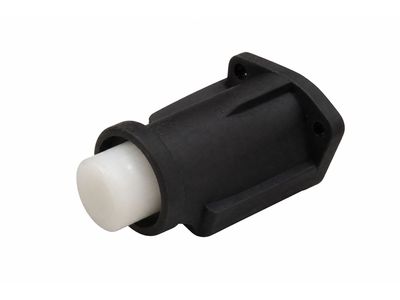
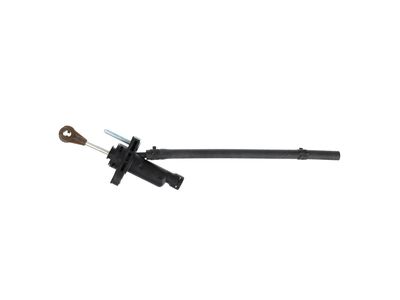
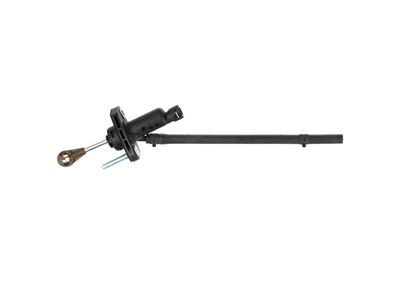
Mazda Master Cylinder Part Number: NA01-41-400A
$185.26 MSRP: $247.06You Save: $61.80 (26%)Ships in 1-2 Business DaysProduct Specifications- Other Name: Clutch Master Cylinder
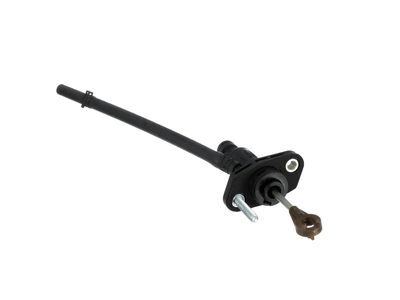
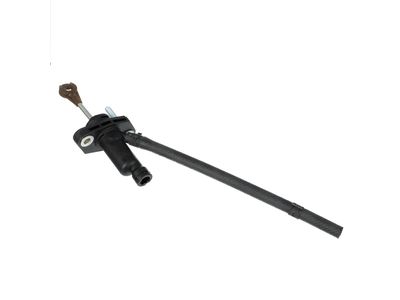
Mazda Master Cylinder Part Number: EF91-41-990A
$51.50 MSRP: $68.68You Save: $17.18 (26%)Ships in 1-2 Business DaysProduct Specifications- Other Name: Cylinder, Clutch Master
- Replaces: EF91-41-990
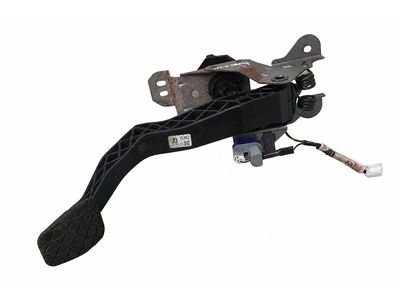
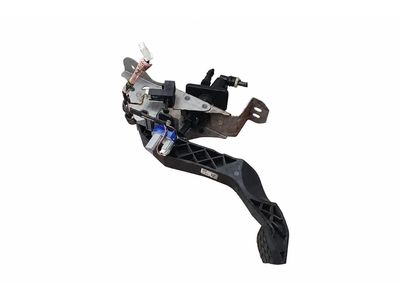
Mazda Master Cylinder Part Number: KB8T-41-400
$132.13 MSRP: $176.21You Save: $44.08 (26%)Ships in 1-2 Business DaysProduct Specifications- Other Name: Cylinder, Clutch Master
- Replaces: KD43-41-400B
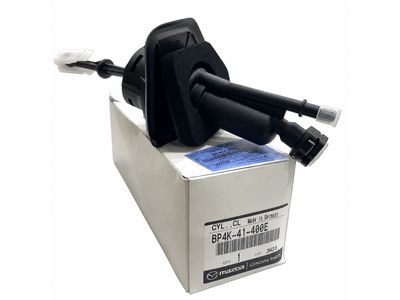
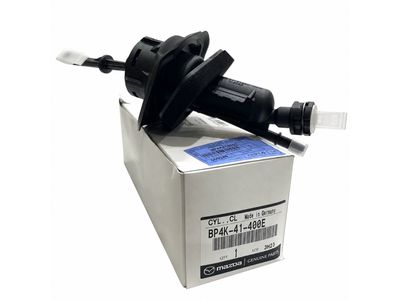
Mazda Master Cylinder Part Number: BP4K-41-400E
$145.51 MSRP: $194.06You Save: $48.55 (26%)Ships in 1-2 Business DaysProduct Specifications- Other Name: Cylinder, Clutch Master
- Replaces: BP4K-41-400A, BP4K-41-400D, BP4K-41-400C, BP4K-41-400B
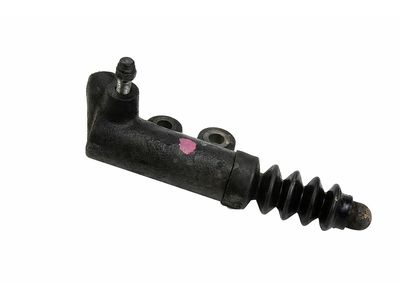
Mazda Master Cylinder Part Number: GP9A-41-990
$146.10 MSRP: $194.83You Save: $48.73 (26%)Ships in 1-2 Business DaysProduct Specifications- Other Name: Cylinder, Clutch Master

Mazda Master Cylinder Part Number: NE51-41-990A
$139.39 MSRP: $185.89You Save: $46.50 (26%)Ships in 1-2 Business DaysProduct Specifications- Other Name: Cylinder, Clutch Master
Mazda Master Cylinder Part Number: NA1J-41-400
$139.18 MSRP: $185.60You Save: $46.42 (26%)Ships in 1-2 Business DaysProduct Specifications- Other Name: Cylinder, Clutch Master
- Replaces: N243-41-400
Mazda Master Cylinder Part Number: BBM7-41-400A
$88.91 MSRP: $118.58You Save: $29.67 (26%)Ships in 1-2 Business DaysProduct Specifications- Other Name: Cylinder, Clutch Master
- Replaces: BBM7-41-400
Mazda Master Cylinder Part Number: BJS7-41-400
$90.01 MSRP: $120.05You Save: $30.04 (26%)Ships in 1-2 Business DaysProduct Specifications- Other Name: Cylinder, Clutch Master
- Replaces: KE40-41-400, KE40-41-400A, KE40-41-400B
Mazda Master Cylinder Part Number: D09K-41-400
$107.83 MSRP: $143.80You Save: $35.97 (26%)Ships in 1-2 Business DaysProduct Specifications- Other Name: Cylinder, Clutch Master
- Replaces: DA6A-41-400
Mazda Master Cylinder Part Number: GG2A-41-990
$132.60 MSRP: $176.83You Save: $44.23 (26%)Ships in 1-2 Business DaysProduct Specifications- Other Name: Cylinder, Clutch Master
Mazda Master Cylinder Part Number: GA2A-41-990
$133.93 MSRP: $178.60You Save: $44.67 (26%)Ships in 1-2 Business DaysProduct Specifications- Other Name: Clutch Master Cylinder
Mazda Master Cylinder Part Number: GJ6A-41-990A
$148.30 MSRP: $197.77You Save: $49.47 (26%)Ships in 1-2 Business DaysProduct Specifications- Other Name: Cylinder, Clutch Master
- Replaces: GJ6A-41-990
Mazda Master Cylinder Part Number: FF19-41-990
$152.64 MSRP: $203.55You Save: $50.91 (26%)Ships in 1-2 Business DaysProduct Specifications- Other Name: Cylinder, Clutch Master
Mazda Master Cylinder Part Number: F100-41-990B
$156.45 MSRP: $208.65You Save: $52.20 (26%)Ships in 1-2 Business DaysProduct Specifications- Other Name: Clutch Master Cylinder
Mazda Master Cylinder Part Number: FB01-41-400C
$158.15 MSRP: $210.91You Save: $52.76 (26%)Ships in 1-2 Business DaysProduct Specifications- Other Name: Clutch Master Cylinder
Mazda Master Cylinder Part Number: FE05-41-990A
$160.38 MSRP: $213.88You Save: $53.50 (26%)Ships in 1-2 Business DaysProduct Specifications- Other Name: Cylinder, Clutch Master
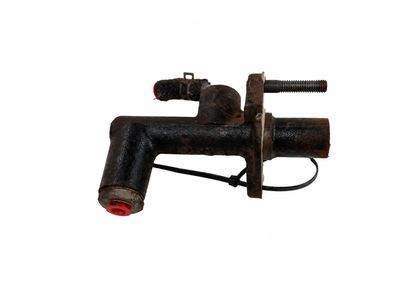
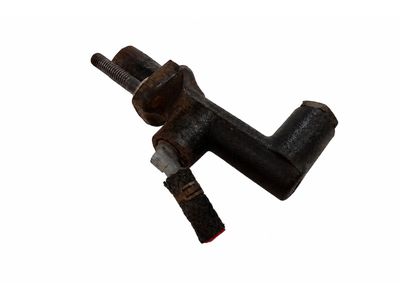
Mazda Master Cylinder Part Number: GS1D-41-990
Product Specifications- Other Name: Cylinder, Clutch Master
Mazda Master Cylinder Part Number: UC86-41-400B
Product Specifications- Other Name: Clutch Master Cylinder
- Replaces: UC86-41-400, UC86-41-400A
Mazda Master Cylinder Part Number: GE4T-41-990C
Product Specifications- Other Name: Cylinder, Clutch Master
| Page 1 of 2 |Next >
1-20 of 37 Results
Mazda Clutch Master Cylinder
Mazda Clutch Master Cylinder turns every press of the clutch pedal into smooth hydraulic force that lets the gearbox disengage instantly, giving drivers crisp shifts and confident control. Mazda has earned a global reputation for cars that feel eager and light on their feet, balancing nimble handling with everyday comfort. From the groundbreaking rotary to modern Skyactiv engines, Mazda pushes for efficiency without sacrificing fun, shaped by its Kodo design that gives every curve a sense of motion. The company pairs these looks with i-Activsense safety features and available i-Activ AWD, so a Mazda feels secure on busy streets and rough back roads alike. As electrification grows, Mazda explores mild hybrids and electric drive to stay ahead in sustainability while keeping the spirited spark drivers expect. Inside every manual transmission model, the Clutch Master Cylinder houses a sealed piston that shuttles brake fluid through a narrow bore the moment a foot presses the pedal. This pressure travels to the slave cylinder, releasing the clutch disc from the spinning flywheel so gears slide in without grinding, and because the Clutch Master Cylinder relies on a closed hydraulic path, even tiny air bubbles or leaks can soften pedal feel. Keeping fluid clean and seals intact preserves the quick, precise engagement that defines the brand's lively driving character.
You'll get great performance and real durability when you pick genuine OEM Clutch Master Cylinder. Mazda builds these using high-quality materials and official factory methods to ensure they hold up mile after mile. You deserve that Mazda reliability without the headache of cheap knockoffs. It is easy to find exactly what you need in our huge inventory of genuine parts. Plus, every OEM part carries a real manufacturer's warranty for your peace of mind. You will love our low prices too. Order today and we will ship your brand-new parts fast. They often reach your door in just a few days.
Mazda Clutch Master Cylinder Parts and Q&A
- Q:How to properly remove and install a clutch master cylinder while avoiding damage to the paint and ensuring proper fluid handling on Mazda 3?A:Do not spill the brake fluid on the paint as it will destroy the paint. Removal of the clutch master cylinder To do so, first remove the battery tray, battery and battery cover. The following step is to work under the dashboard, dismount the steering shaft joint and loosen the mounting nuts of the clutch pedal. Lay uncovers the inside to keep its contents dry, and unscrew the clutch master cylinder reservoir line at the clutch master cylinder by pushing the tab and pulling the line out with a clip or a plug over it to keep the fluid inside the containers. Loose the hydraulic line locking clip in the clutch master cylinder and remove the line, and it is possible that a seal ring will fall off or be left attached to the clutch release cylinder side. Pivot the clutch pedal assembly aside to get clearance and counterclockwisely turn the locking collar at the clutch master cylinder to free it of the pedal assembly. In order to remove the clutch master pushrod off the clutch pedal, one needs a blade screwdriver to push the tabs at both ends of the pushrod and then pry it off the pedal. To install it, install the master cylinder onto the pedal assembly, pushing the pushrod in until the tabs connect to the pedal. The lock ring of the clutch master cylinder should be locked clockwise and then locking clip should be inserted inside the hydraulic line fitting making sure that the seal ring is positioned. Install master damper line to master cylinder up until the locking tab clicks on the line and then yank it back to make sure it is engaged. Install the assembly of the pedal and screw the mounting nuts with the stipulated force and then install the end of the reservoir line to the brake master cylinder. Reassemble the steering shaft joint and install the rest by reversing the steps of taking off. Lastly, to fill the reservoir with brake fluid that meets DOT 3 requirements and to bleed the clutch system.
- Q:How to remove and install the Clutch Master Cylinder on Mazda B2200?A:To change and change the master cylinder to pickups and MPVs, first disconnect and insert the fluid outlet line of the outlet fitting on the master cylinder one-way valve. Then take out the nuts and bolts connecting the master cylinder to the firewall, and draw the cylinder out directly. Insert the peddle pushrod into the master cylinder and lock it on the firewall followed by attaching and tightening the connecting nuts up to 12-17 ft. lbs (16-23 Nm). Install fluid line to master cylinder fitting, bleed hydraulic system and verify free-travel of clutch pedal and adjust accordingly. In the case of the Navajo, the first thing would be to have the negative battery cable and the pushrod of the clutch master cylinder disconnected to the clutch pedal. In case it is furnished, take out the switch in the master cylinder assembly and the screw that holds the fluid reservoir in place with respect to the cowl access cover. Disconnect the tube with the slave cylinder and fill both holes and then disconnect the bolts that hold the clutch master cylinder to the dash panel and remove the assembly. Installation requires use of the pushrod, and installation of the master cylinder assembly which must be positioned and connected on the correct side of the clutch pedal. The hole in the engine compartment must be installed with the pushrod followed by installing the master cylinder assembly and attaching the retaining bolts with a tightening of 8-12 ft. lbs (11-16 Nm). Last but not the least, reconnect the rest of the parts in the reverse order and priming the system.
Related Mazda Parts
 Mazda Clutch Slave Cylinder
 Mazda Flywheel
 Mazda Shift Cable
 Mazda Torque Converter
 Mazda Automatic Transmission Filter
 Mazda Automatic Transmission Shift Levers
 Mazda Clutch Hydraulic Lines
 Mazda Clutch Master Repair Kit
 Mazda Clutch Slave Repair Kit
 Mazda Manual Transmission Extension Housing Seal
 Mazda Pilot Bearing
 Mazda Valve Body
Browse by Model
3 Clutch Master Cylinder 323 Clutch Master Cylinder 5 Clutch Master Cylinder 6 Clutch Master Cylinder 626 Clutch Master Cylinder B2000 Clutch Master Cylinder B2200 Clutch Master Cylinder B2300 Clutch Master Cylinder B2500 Clutch Master Cylinder B2600 Clutch Master Cylinder B3000 Clutch Master Cylinder B4000 Clutch Master Cylinder CX-5 Clutch Master Cylinder Miata Clutch Master Cylinder MX-3 Clutch Master Cylinder MX-5 Miata Clutch Master Cylinder MX-6 Clutch Master Cylinder Navajo Clutch Master Cylinder Protege Clutch Master Cylinder Protege5 Clutch Master Cylinder RX-7 Clutch Master Cylinder RX-8 Clutch Master Cylinder Tribute Clutch Master Cylinder