×
- Hello
- Login or Register
- Quick Links
- Live Chat
- Track Order
- Parts Availability
- RMA
- Help Center
- Contact Us
- Shop for
- Mazda Parts

My Garage
My Account
Cart
Genuine Mazda Radiator
Cooling Radiator- Select Vehicle by Model
- Select Vehicle by VIN
Select Vehicle by Model
orMake
Model
Year
Select Vehicle by VIN
For the most accurate results, select vehicle by your VIN (Vehicle Identification Number).
120 Radiators found
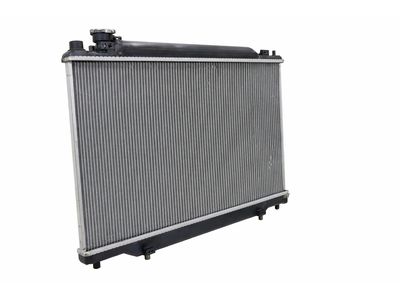
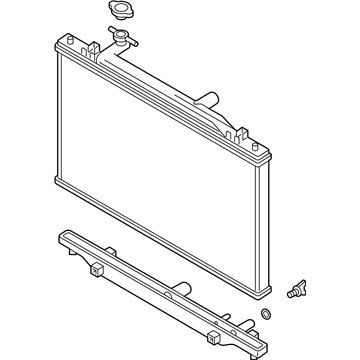
Mazda Radiator Part Number: PYFW-15-200
$280.35 MSRP: $373.87You Save: $93.52 (26%)Ships in 1-2 Business Days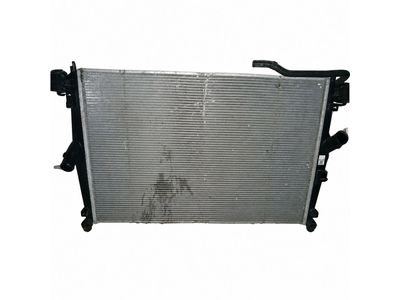
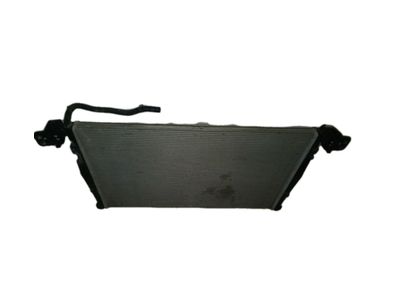
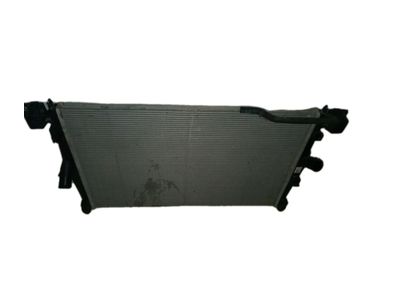
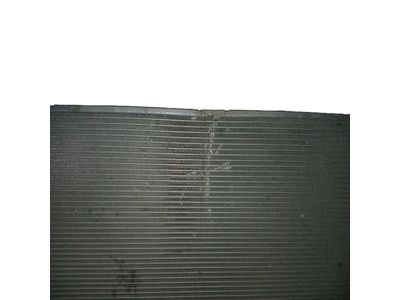
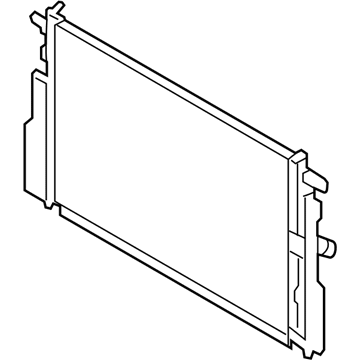
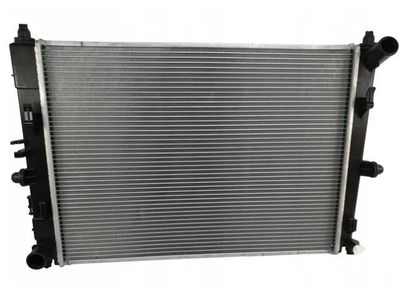
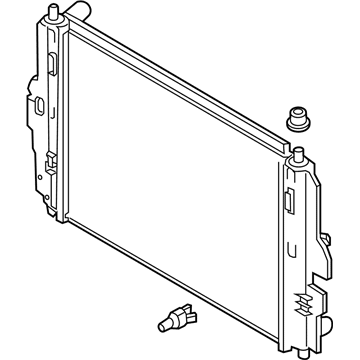
Mazda Radiator Part Number: PAF3-15-200B
$258.18 MSRP: $344.30You Save: $86.12 (26%)Ships in 1-2 Business DaysProduct Specifications- Other Name: Radiator Assembly
- Replaces: PAF3-15-200, PAF3-15-200A
Mazda Radiator Part Number: P51N-15-200
$380.33 MSRP: $511.30You Save: $130.97 (26%)Ships in 1-2 Business DaysProduct Specifications- Other Name: Radiator Assembly
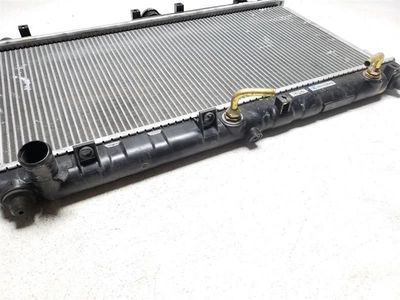
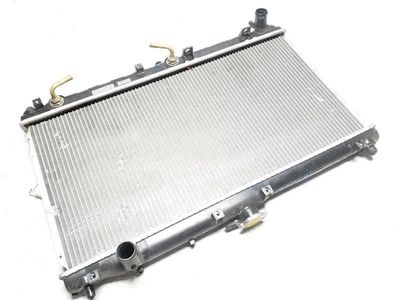
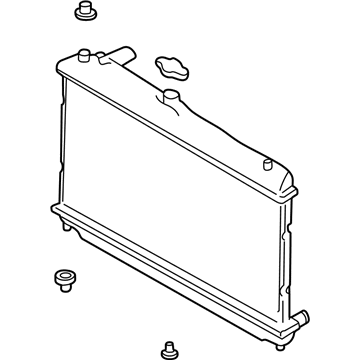
Mazda Radiator Part Number: BP4W-15-200A
$385.00 MSRP: $517.57You Save: $132.57 (26%)Ships in 1-2 Business DaysProduct Specifications- Other Name: Radiator Assembly
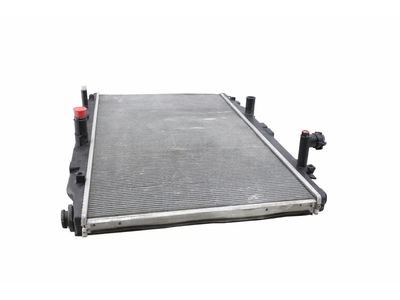
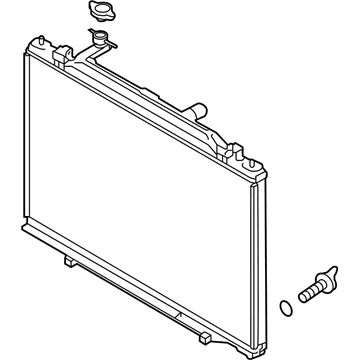
Mazda Radiator Part Number: PY8V-15-200
$409.93 MSRP: $551.09You Save: $141.16 (26%)Ships in 1-2 Business DaysProduct Specifications- Other Name: Radiator Assembly
Mazda Radiator Part Number: PXNS-15-200
$295.96 MSRP: $394.69You Save: $98.73 (26%)Ships in 1-2 Business DaysProduct Specifications- Other Name: Radiator Assembly
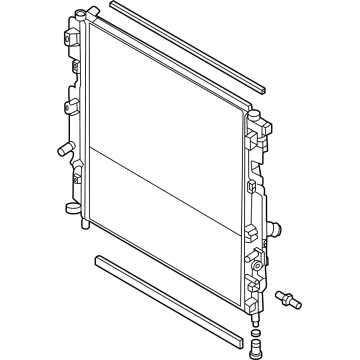
Mazda RADIATOR Part Number: T301-15-200A
$309.16 MSRP: $412.30You Save: $103.14 (26%)Ships in 1-2 Business Days
Mazda Radiator Part Number: BPE9-15-200
$375.08 MSRP: $504.23You Save: $129.15 (26%)Ships in 1-2 Business DaysMazda Radiator Part Number: BPE8-15-200
$388.32 MSRP: $522.04You Save: $133.72 (26%)Ships in 1-2 Business DaysProduct Specifications- Replaces: B61P-15-200A, B61P-15-200B
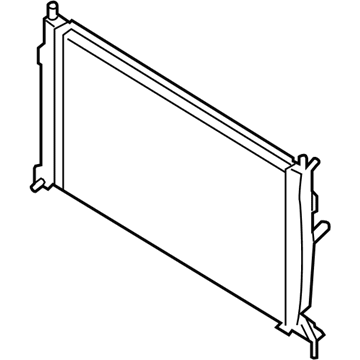
Mazda Radiator Part Number: Z603-15-200
$460.68 MSRP: $619.32You Save: $158.64 (26%)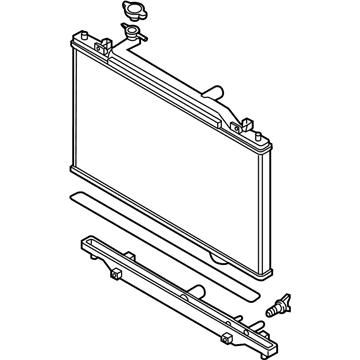
Mazda Radiator Part Number: PE11-15-200B
$348.08 MSRP: $464.20You Save: $116.12 (26%)Ships in 1-2 Business DaysProduct Specifications- Replaces: PE11-15-200, PE11-15-200A
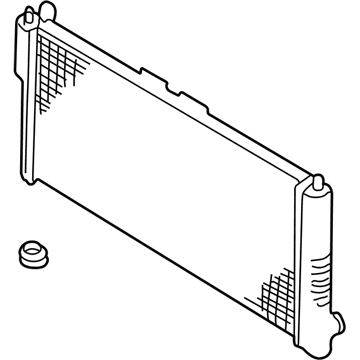
Mazda Radiator Part Number: B660-15-200D
$236.65 MSRP: $315.60You Save: $78.95 (26%)Ships in 1-2 Business DaysMazda Radiator Part Number: BP8J-15-200A
$285.60 MSRP: $380.87You Save: $95.27 (26%)Ships in 1-2 Business DaysProduct Specifications- Other Name: Radiator Assembly
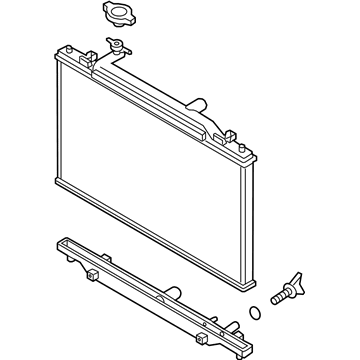
Mazda Radiator Part Number: PE01-15-200B
$297.20 MSRP: $396.34You Save: $99.14 (26%)Ships in 1-2 Business DaysProduct Specifications- Replaces: PE01-15-200, PE01-15-200A
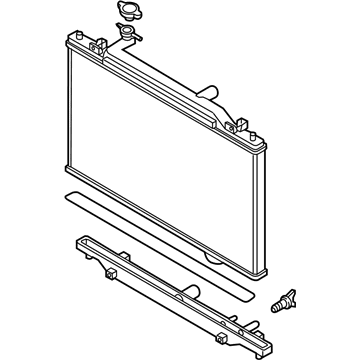
Mazda Radiator Part Number: PE16-15-200
$386.52 MSRP: $519.61You Save: $133.09 (26%)Ships in 1-2 Business Days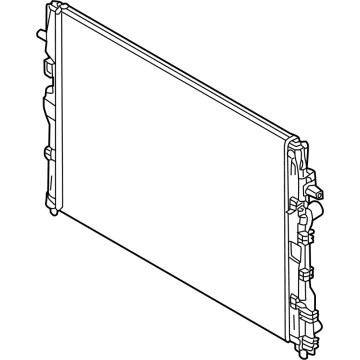
Mazda Radiator Part Number: PX8E-15-200A
$141.06 MSRP: $188.12You Save: $47.06 (26%)Ships in 1-2 Business Days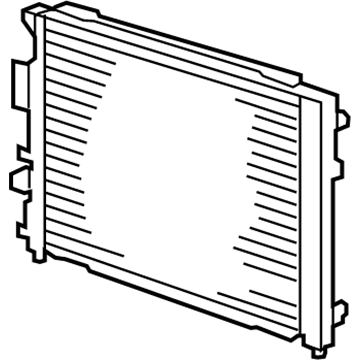
Mazda Radiator Part Number: ZZCA-15-200
$249.33 MSRP: $332.49You Save: $83.16 (26%)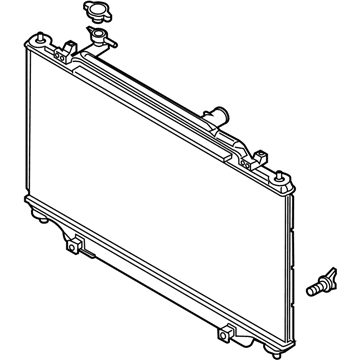
Mazda Radiator Part Number: PEDD-15-200B
$258.84 MSRP: $345.18You Save: $86.34 (26%)Ships in 1-2 Business DaysProduct Specifications- Replaces: PEDD-15-200, PEDD-15-200A
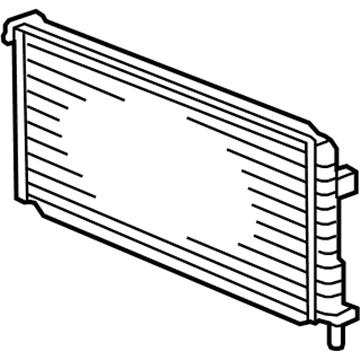
Mazda Radiator Part Number: ZZEB-15-200
$288.20 MSRP: $384.35You Save: $96.15 (26%)Product Specifications- Other Name: Auxiliary Cooler
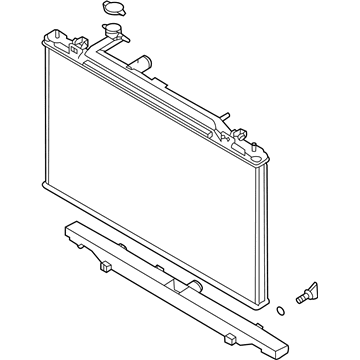
Mazda Radiator Part Number: SH9V-15-200
$291.29 MSRP: $388.47You Save: $97.18 (26%)Ships in 1-2 Business DaysProduct Specifications- Other Name: Radiator Assembly
| Page 1 of 6 |Next >
1-20 of 120 Results
Mazda Radiator
The Mazda Radiator maintains engine temperatures so that spirited driving can be done without fear of overheating. Mazda has spent decades perfecting cars that blend agility and efficiency, beginning with its rotary heritage and evolving into modern Skyactiv powertrains that sip fuel while still feeling lively. Mazda combines thriftiness with Kodo styling that appears to be moving even when it's parked and available i-Activsense technology that helps the vehicle's driver be sure on busy streets. All-wheel drive testing on rough roads indicates that Mazda is as concerned with real-world capability as it is about curb appeal, and its foray into electric and hybrid systems demonstrates a commitment to future-ready mobility. While these attributes make each and every Mazda a ton of fun and looking forward, dependable cooling ensures that the fun is extended. The Radiator is the frontline soldier of heat, but it chases the hot coolant through lightweight aluminum cores and densely packed fins that give up thermal energy to the rushing air. Positioned in front of the engine, the Mazda Radiator operates in conjunction with electric fans at idle and natural airflow at speed to maintain coolant flow within a safe range. Fast heat transfer protects horsepower, prevents oil breakdown, and preserves gasket integrity, so owners get consistent performance mile after mile. Built to fit the entire lineup, this Radiator combines low mass with strong cooling capacity, adding to the brand's reputation for durable but fun-loving cars.
You'll get great performance and real durability when you pick genuine OEM Radiator. Mazda builds these using high-quality materials and official factory methods to ensure they hold up mile after mile. You deserve that Mazda reliability without the headache of cheap knockoffs. It is easy to find exactly what you need in our huge inventory of genuine parts. Plus, every OEM part carries a real manufacturer's warranty for your peace of mind. You will love our low prices too. Order today and we will ship your brand-new parts fast. They often reach your door in just a few days.
Mazda Radiator Parts and Q&A
- Q:How to remove and reinstall a radiator on Mazda 3?A:In order to take off the radiator, begin by removing the battery cover and disconnect the cable at the negative terminal of the battery. Secure the vehicle on jackstands and take off the splash shields. Empty the cooling system, store the coolant as long as it is in a good condition and disconnects the radiator hose at the bottom of the radiator. Now very carefully lift up the radiator mounts and unscrew them out of the support and pull off the trim panel by loosening them with mounting screws. The second step is to take the fresh air intake hose out and the hose(s) to the coolant reservoir off of the radiator. Take out the cooling fan/shroud assembly on the radiator, and press the locking tabs on the sides of the radiator to detach the condenser. When the car has an automatic transaxle, remove these transaxle cooler lines off the radiator, dripping pan under the radiator to collect any spilled fluid and plug the lines and fittings. Remember not to spill coolant or damage the paint and carefully remove the radiator and make sure that the rubber radiator insulators are in place to be reinstated effectively. Wipe the radiator using compressed air and soft brush without trying to bend the cooling fins and check on leakage or any damage and if needed, repair by seeking professional help. To install, check the rubber insulators in the lower crossmember, and remove any cracks or dirt, being sure that the radiator is properly mounted on the insulators before fitting the top brackets. Installation Reverse the elimination procedures to install, and fill the cooling system with the appropriate mix of antifreeze and water, draining the air. Start the engine, to test, there is no leakage, but leave it to run until it has reached normal operating temperature, and again observe the coolant level, adding more, where needed. Add fluid to the automatic transaxle, as required.
- Q:How to remove and install a radiator on Mazda B2000?A:To install and remove radiator, make sure that the engine is thoroughly cooled. Initially, empty the engine coolant into a big clean container to reuse, making sure that you use a sealable container to avoid pets accessing the ethylene glycol antifreeze which is lethal. The second step is to remove the nuts and bolts that hold the shroud to the radiator and then remove the upper, lower and expansion tank hoses. Loosen the bolts which hold the radiator to its mounting bracket and remove the nuts and bolts of the oil cooler. Lastly, remove the radiator in the truck and put in the new radiator by following the same direction as the removal process of the radiator.

Related Mazda Parts
 Mazda Radiator Cap
 Mazda Radiator Drain Plug
 Mazda Radiator fan
 Mazda Water Pump Pulley
 Mazda Belt Tensioner Bolt
 Mazda Cooling Fan Resistors
 Mazda Cooling Hose
 Mazda Fan Motor
 Mazda Oil Cooler Hose
 Mazda Radiator Support
 Mazda Thermostat Gasket
 Mazda Transmission Oil Cooler
Browse by Model
2 Radiator 3 Radiator 323 Radiator 5 Radiator 6 Radiator 626 Radiator 929 Radiator B2000 Radiator B2200 Radiator B2300 Radiator B2600 Radiator B3000 Radiator B4000 Radiator CX-3 Radiator CX-30 Radiator CX-5 Radiator CX-50 Radiator CX-7 Radiator CX-70 Radiator CX-9 Radiator CX-90 Radiator Miata Radiator Millenia Radiator MPV Radiator MX-3 Radiator MX-30 EV Radiator MX-5 Miata Radiator MX-6 Radiator Protege Radiator Protege5 Radiator RX-7 Radiator RX-8 Radiator Tribute Radiator