×
- Hello
- Login or Register
- Quick Links
- Live Chat
- Track Order
- Parts Availability
- RMA
- Help Center
- Contact Us
- Shop for
- Mazda Parts

My Garage
My Account
Cart
Genuine Mazda Oil Pan
Oil Drain Pan- Select Vehicle by Model
- Select Vehicle by VIN
Select Vehicle by Model
orMake
Model
Year
Select Vehicle by VIN
For the most accurate results, select vehicle by your VIN (Vehicle Identification Number).
85 Oil Pans found
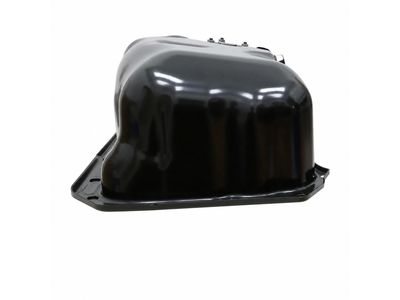
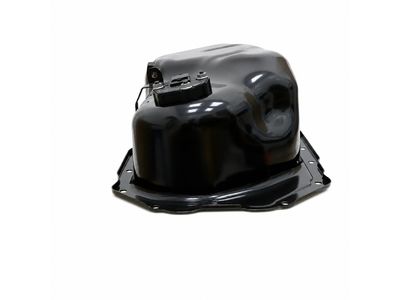
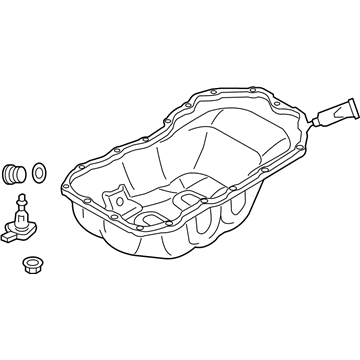
Mazda Oil Pan Part Number: PYFB-10-4AXC
$176.11 MSRP: $234.86You Save: $58.75 (26%)Ships in 1-2 Business DaysProduct Specifications- Other Name: Pan, Oil
- Replaces: PYFB-10-4AX, PYFB-10-4AXB
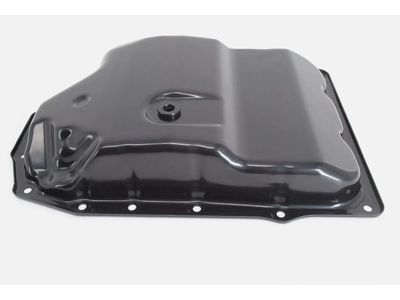
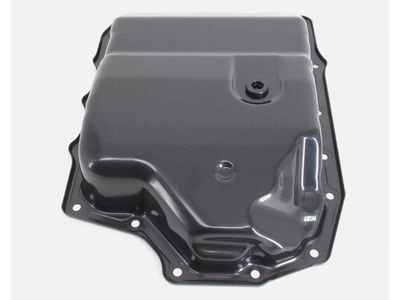
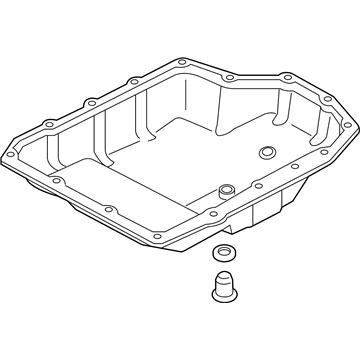
Mazda Oil Pan Part Number: FZ01-21-51XB
$48.86 MSRP: $65.17You Save: $16.31 (26%)Ships in 1-2 Business DaysProduct Specifications- Other Name: Pan, Oil; Transmission Pan
- Replaces: FZ01-21-51XA, FZA1-21-51X, FZ01-21-51X
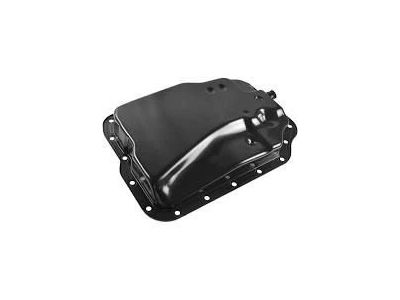
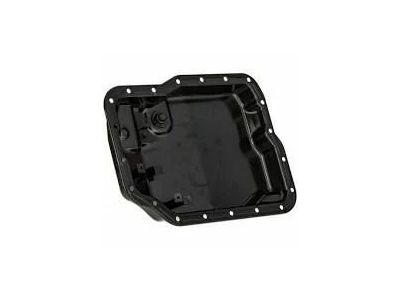
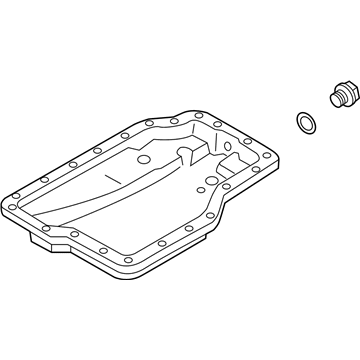
Mazda Transmission Pan Part Number: FSL0-21-51XB
$58.39 MSRP: $77.87You Save: $19.48 (26%)Ships in 1-2 Business DaysProduct Specifications- Other Name: Pan, Oil
- Replaces: FS50-21-51X, FSL0-21-51X
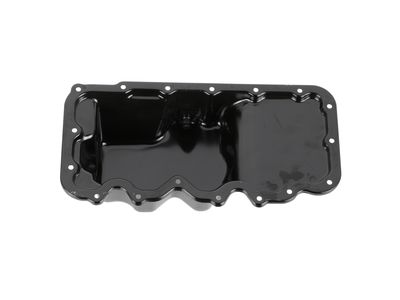
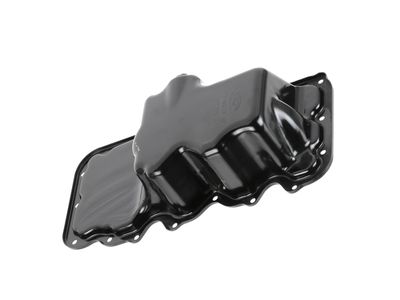
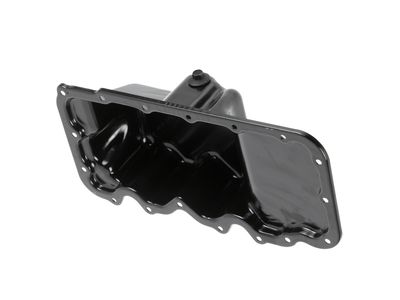
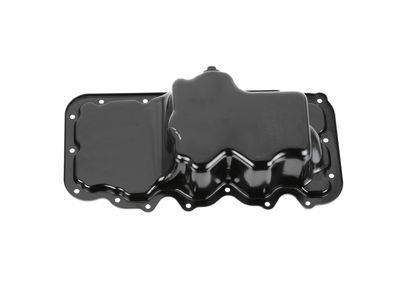
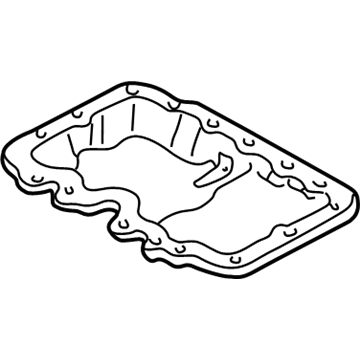
Mazda Oil Pan Part Number: YF09-10-400
$104.74 MSRP: $139.68You Save: $34.94 (26%)Ships in 1-2 Business DaysProduct Specifications- Other Name: Pan, Oil
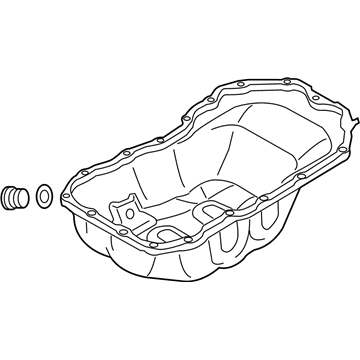
Mazda Oil Pan Part Number: PE01-10-400C
$126.98 MSRP: $169.34You Save: $42.36 (26%)Ships in 1-2 Business DaysProduct Specifications- Other Name: Pan, Oil
- Replaces: PE01-10-400A, PE01-10-400B, PE01-10-400
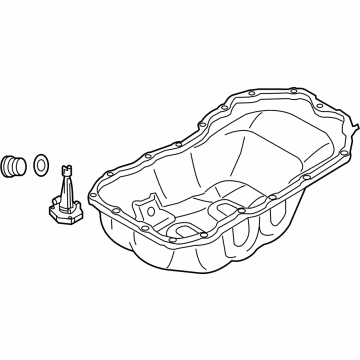
Mazda Oil Pan Part Number: PX13-10-4AX
$180.96 MSRP: $241.33You Save: $60.37 (26%)Ships in 1-2 Business DaysProduct Specifications- Other Name: Pan, Oil
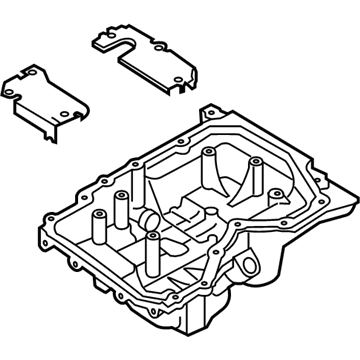
Mazda Oil Pan Part Number: L3N5-10-400C
$468.86 MSRP: $630.32You Save: $161.46 (26%)Ships in 1-2 Business DaysProduct Specifications- Other Name: Pan, Oil
- Replaces: L3N5-10-400, L3N5-10-400A, L3N5-10-400B
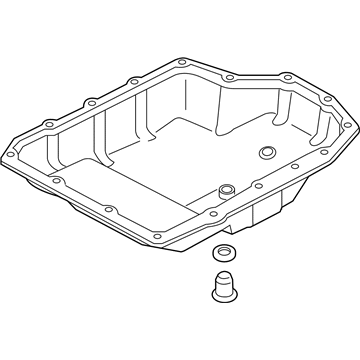
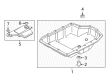
Mazda Oil Pan Part Number: FZC1-21-51XA
$61.99 MSRP: $82.66You Save: $20.67 (26%)Ships in 1-2 Business DaysProduct Specifications- Other Name: Pan, Oil; Transmission Pan
- Replaced by: FZC2-21-51X
- Replaces: FZC1-21-51X
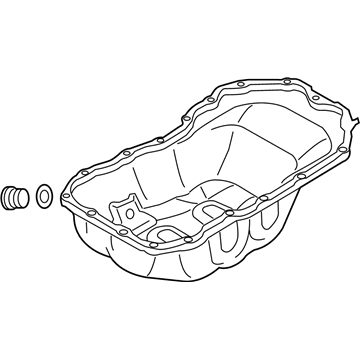
Mazda Oil Pan Part Number: PYFA-10-400C
$133.83 MSRP: $178.47You Save: $44.64 (26%)Ships in 1-2 Business DaysProduct Specifications- Other Name: Pan, Oil
- Replaces: PYFA-10-400B, PY01-10-400A, PY01-10-400
Mazda Oil Pan Part Number: PEDD-10-400B
$113.04 MSRP: $150.75You Save: $37.71 (26%)Ships in 1-2 Business DaysProduct Specifications- Other Name: Pan, Oil
- Replaces: PEDD-10-400A, PEDD-10-400
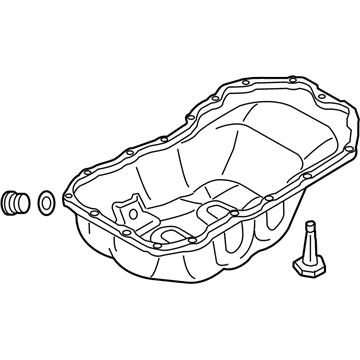
Mazda Oil Pan Part Number: PYD5-10-4AXB
$176.44 MSRP: $235.30You Save: $58.86 (26%)Ships in 1-2 Business DaysProduct Specifications- Other Name: Pan, Oil
- Replaces: PY8W-10-400A, PY8W-10-400, PY8W-10-4AXB, PYD5-10-400, PYD5-10-4AXA, PY8W-10-400B
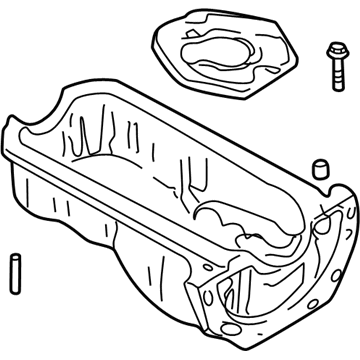
Mazda Oil Pan Part Number: BPY3-10-400B
$775.36 MSRP: $1059.44You Save: $284.08 (27%)Ships in 1-2 Business DaysProduct Specifications- Other Name: Pan, Oil
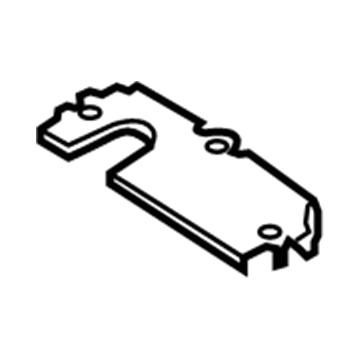
Mazda Oil Pan Part Number: L506-10-402
$9.58 MSRP: $12.77You Save: $3.19 (25%)Ships in 1-2 Business DaysProduct Specifications- Other Name: Plate, Oil Baffle-Oil Pan
- Replaces: L309-10-402A
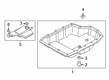
Mazda Oil Pan Part Number: FZU1-21-51X
$46.48 MSRP: $61.98You Save: $15.50 (26%)Ships in 1-2 Business DaysProduct Specifications- Other Name: Pan, Oil; Transmission Pan
- Replaces: FZV1-21-51X
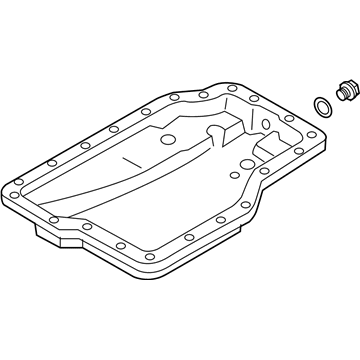
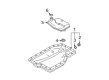
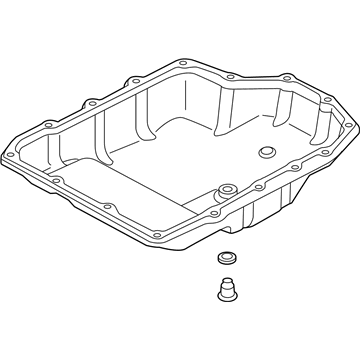
Mazda Oil Pan Part Number: FN11-21-51XB
$48.30 MSRP: $64.41You Save: $16.11 (26%)Ships in 1-2 Business DaysProduct Specifications- Other Name: Pan, Oil; Transmission Pan
- Replaces: FN11-21-51X, FN11-21-51XA, FN11-21-51X-PT
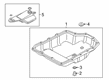
Mazda Transmission Pan Part Number: FZC1-21-51X
$61.99 MSRP: $82.66You Save: $20.67 (26%)Ships in 1-2 Business DaysProduct Specifications- Other Name: Pan, Oil
- Replaced by: FZC2-21-51X
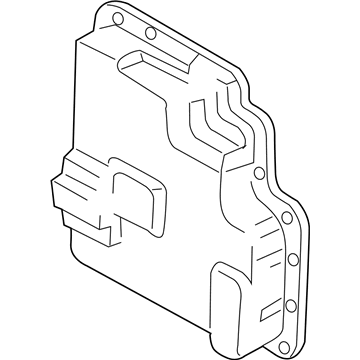
Mazda Transmission Pan Part Number: FP01-21-520
$63.61 MSRP: $84.84You Save: $21.23 (26%)Ships in 1-2 Business DaysProduct Specifications- Other Name: Cover, Valve Body Control
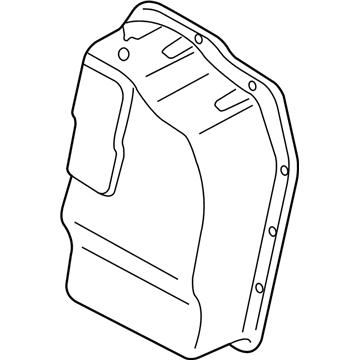
Mazda Transmission Pan Part Number: FW54-21-520
$67.61 MSRP: $90.17You Save: $22.56 (26%)Ships in 1-2 Business DaysProduct Specifications- Other Name: Cover, Control; Front Cover
- Replaces: FW53-21-520
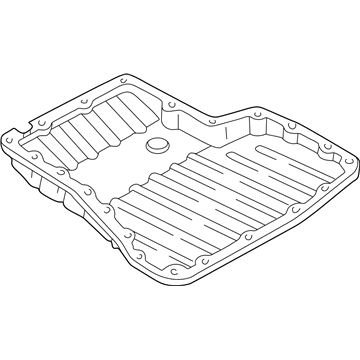
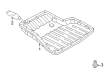
Mazda Oil Pan Part Number: FX01-21-51X
$68.45 MSRP: $91.28You Save: $22.83 (26%)Ships in 1-2 Business DaysProduct Specifications- Other Name: Pan, Oil
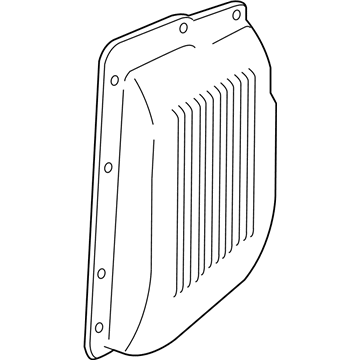
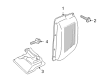
Mazda Transmission Pan Part Number: AW01-21-520
$108.36 MSRP: $144.51You Save: $36.15 (26%)Ships in 1-2 Business DaysProduct Specifications- Other Name: Cover, Transaxle Side; Side Cover
| Page 1 of 5 |Next >
1-20 of 85 Results
Mazda Oil Pan
Mazda Oil Pan provides dependable storage and cooling of engine lubricant to ensure that every Mazda powerplant receives a steady flow of oil for smooth, long-lasting performance. Mazda started tickling the driver's ear in 1931 and continues to blend innovation with a fun-loving spirit from the legendary rotary units of the 1960s to today's Skyactiv engine technology that reduces fuel consumption while maintaining crisp acceleration. The company uses its Kodo design language so that every curve implies movement and i-Activsense features such as lane keeping and radar cruise watch the road so that occupants feel secure. Electric drive experiments and i-Activ AWD grip demonstrate Mazda pushing the envelope while maintaining the nimbleness that makes a daily commute something fun. Just as the brand is about balance, the Mazda Oil Pan helps to support that vision within every engine. This shallow metal basin is located below the crankshaft and collects the returning lubricant once the cycle is completed and holds it for the pump. By sealing tightly with a formed gasket, it ensures there are no leaks, which could result in lower pressure or an invitation to damaging friction. A built-in drain plug allows owners to do quick and clean oil changes and the pan shape resists slosh so oil pickup stays submerged during sharp turns. With its sturdy build and smart design, the Mazda Oil Pan helps to keep engines cool, quiet, and ready for many spirited miles.
You'll get great performance and real durability when you pick genuine OEM Oil Pan. Mazda builds these using high-quality materials and official factory methods to ensure they hold up mile after mile. You deserve that Mazda reliability without the headache of cheap knockoffs. It is easy to find exactly what you need in our huge inventory of genuine parts. Plus, every OEM part carries a real manufacturer's warranty for your peace of mind. You will love our low prices too. Order today and we will ship your brand-new parts fast. They often reach your door in just a few days.
Mazda Oil Pan Parts and Q&A
- Q:How to remove and install the oil pan on Mazda 3?A:To change the oil pan, it is necessary to raise the vehicle and put jackstands under it. Wipe and change the engine oil drain plug and remove and dispose the oil filter to change it. The second step is to take off the engine lower splash shield, the air conditioning drive belt, and the air conditioning compressor making sure not to unconnect the A/C lines and attach the compressor in a tangle. Take out the air filter housing and with automatic transaxle models, remove the battery and battery tray. slightly reposition the transaxle away of the engine, and hold the engine up with a floor jack and the transaxle with a jack. Loose upper engine to transaxle mounting bolts and left and right engine to bell housing bolts. Take off the oil pan-to-bellhousing bolts, bellhousing-to-pan bolt, and the timing chain cover-to-oil pan fasteners. Insert a screwdriver between the transaxle and the engine and keep pushing until the bellhousing slides off the block. To remove the oil pan, remove the oil pan retaining bolts in reverse order of their screwing, loosen the oil pan seal with a rubber mallet, then lower the oil pan, rotating it so as not to damage the mating surfaces. To install it, cleanse and grease the mating surfaces of lower engine block and oil pan with no residual nor sealant. Place 1/8-inch wide strip of sealant around the edge of the inverted flange of the oil pan by applying it around the inside of the bolt holes and where the flange meets the timing chain cover and ensure that the oil pan bolts are installed finger tight. Connect the timing chain cover-to-oil pan bolts and screw them, then screw the oil pan-to-engine block bolts in a criss-cross manner. Lastly, sequentially tighten the oil pan-to-bell housing bolts, the transaxle-to-engine bolts, and then lower the vehicle, allowing at least 1 hour of time to pass before adding oil to the engine, trimming off any excess sealant and attaching a new oil filter.
- Q:How to remove and install the oil pan for rotary engine on Mazda 929?A:Removal and installation of the oil pan on a carbureted engine Starting to start draining the engine oil and disconnecting the oil level sensor and the oil thermo unit (not California vehicles). Unscrew the pan bolts and drop the pan, making sure that the old gasket material is removed off both the pan and engine mating surfaces. Installation During installation, put a continuous bead of sealer (Mazda Part No. 8527 77 739 or equivalent) on the pan surface with the bead being 0.16-0.24 in. (4-6mm) wide and extending at the end. Install a gasket on the pan and apply a corresponding bead of sealer on top and then install the pan and tighten the bolts to 6-8 ft. lbs. (8-11 Nm). Connect the oil level sensor back, then the oil thermo unit back and replace the engine oil. In the case of a fuel-injected engine, the negative battery cable should be disconnected, and engine oil emptied, then the car should be elevated and hoisted to dismount the engine under cover. Unplug the oil level sensor and the oil thermo unit, should there be one, position the engine on its back, and unscrew the nut on the right-side engine mount to raise the engine. Take out the pan bolts, pry the pan apart, and drop it. Wipe off all the old gasket material and apply a bead of sealer continuously around the pan surface - leaving the bolt holes surrounded. Mount the gasket and use another drop of sealer on the top and then tighten the bolts to 6-8 ft. lbs. (8-11 Nm) and make sure that the oil pan is in place within 30 minutes after the sealant is applied. With no oil pan gasket on the engine, sealant should be applied on the surface of the pan. Install the engine back in, screw in the engine mount nut, reattach the oil level sensor, and the oil thermo unit (when present) refit the engine under cover, drop the vehicle, and pour in the crankcase with oil before reconnecting the negative battery cable.
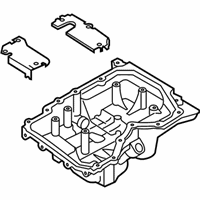

Related Mazda Parts
 Mazda Valve Cover Gasket
 Mazda Camshaft
 Mazda Valve Stem Seal
 Mazda Timing Chain Tensioner
 Mazda Crankshaft Gear
 Mazda Engine Mount Torque Strut
 Mazda Oil Pan Baffle
 Mazda Oil Pan Gasket
 Mazda Rod Bearing
 Mazda Timing Cover
 Mazda Valve Spring Retainer
 Mazda Variable Timing Sprocket
Browse by Model
2 Oil Pan 3 Oil Pan 323 Oil Pan 5 Oil Pan 6 Oil Pan 626 Oil Pan 929 Oil Pan B2200 Oil Pan B2300 Oil Pan B2500 Oil Pan B2600 Oil Pan B3000 Oil Pan B4000 Oil Pan CX-3 Oil Pan CX-30 Oil Pan CX-5 Oil Pan CX-50 Oil Pan CX-7 Oil Pan CX-70 Oil Pan CX-9 Oil Pan CX-90 Oil Pan Miata Oil Pan Millenia Oil Pan MPV Oil Pan MX-3 Oil Pan MX-5 Miata Oil Pan MX-6 Oil Pan Protege Oil Pan Protege5 Oil Pan RX-7 Oil Pan RX-8 Oil Pan Tribute Oil Pan